
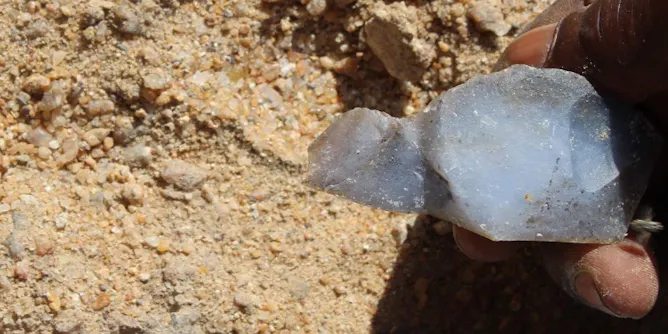
The age of the oldest known Oldowan stone tools from east Turkana has been pushed back by 700,000 years.
Articles on Turkana
Displaying all articles

Aquifers are highly prevalent across Africa – but they’re not always going to be usable.
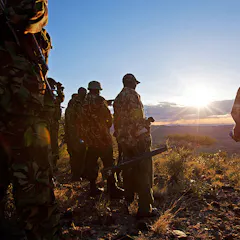
Conflict is prevalent in the region characterised by harsh climate, vast wilderness and low levels of development.
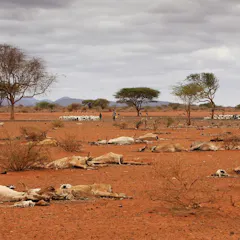
The next year appears likely to bring another sequence of La Niña-related droughts to eastern East Africa. The time to act is now or many will suffer.
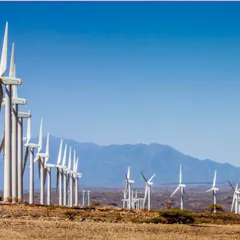
Our research shows how a large scale renewable energy project can be plagued by many of the same troubling impacts on local communities as oil and extractive industries.

When the Aral Sea dried up, it was called the “world’s worst environmental disaster”. We’re witnessing its equivalent in Africa.
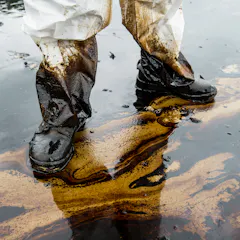
Kenya must address the needs and priorities of the oil sector in regards to environment, health and safety.
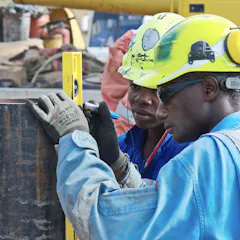
A major constraint that prevents Kenyans from benefiting from the oil sector includes the lack of specialised training or technical skills
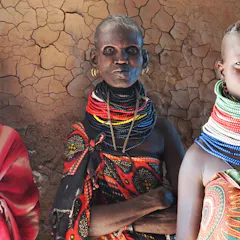
Turkana women weren’t properly represented in decisions made between the oil company and community.
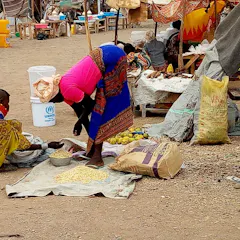
Refugee policy may well be a humanitarian issue. But it is also a development issue.
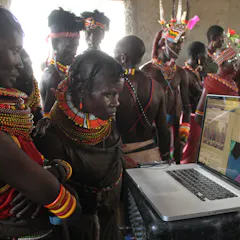
There is a need to isolate core African values and belief systems that define our identity and keep them in the education system.
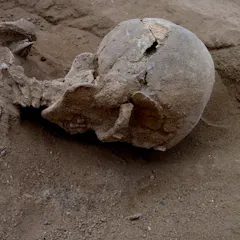
Why hunter gatherers weren’t as peaceful as you may think.
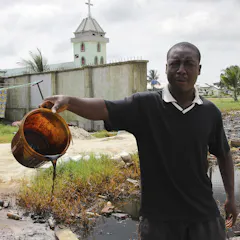
Oil and gas exploration could transform economies and improve lives in Africa, but this is not happening. People living in rural areas are the most excluded from the benefits.
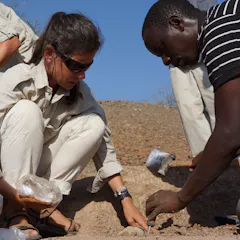
Stone tools excavated in Kenya date back 3.3 million years – making them about a million years older than the oldest known fossils from our own hominid genus Homo. Who made and used these tools?
Top contributors
-

Director and Lecturer, Extractives Baraza, Strathmore University
-
Lecturer of Anthropology and Assistant Director of the Turkana Basin Institute, Stony Brook University (The State University of New York)
-
Professor of Forced Migration and International Affairs, University of Oxford
-
Associate Professor, International Relations, United States International University
-
Research Associate Professor of Anthropology, Stony Brook University (The State University of New York)
-
Senior Lecturer in Early Childhood Education, Mount Kenya University
-
Chingiz Gutseriev Fellow, University of Oxford
-
Professor of Human Evolutionary Biology & Prehistory, University of Cambridge
-
University of California, Santa Barbara
-
Director of the Climate Hazards Center, University of California, Santa Barbara
-
Adjunct Associate Professor, Departnent of Social Sciences, Pwani University
-
Postdoctoral scientist, George Washington University
-
Senior Scientist, Universidade do São Paulo, BR || Senior Scientist, Project Leader, GeoEcoMar, RO || Senior Scientist, Koobi Fora Research & Training Program, KY
-
Professor of Anthropology, George Washington University
-
Senior Research Scientist, National Museums of Kenya