
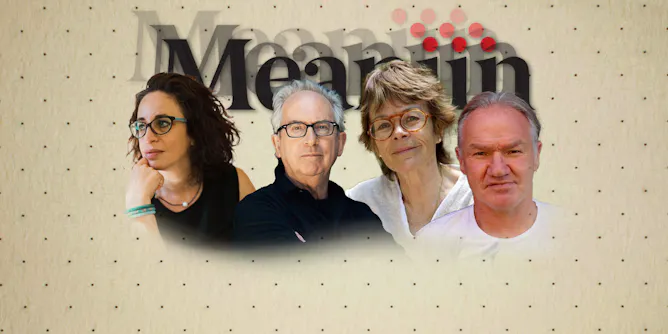
New research considers the true value of Meanjin, using publicly available data. The journal has trained generations of Australian writers and editors.
Articles on truth-telling
Displaying all articles
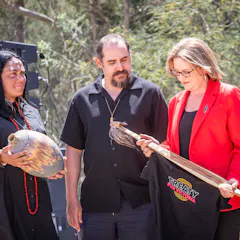
If successful, Victoria will demonstrate to the nation that truth, justice, and Indigenous self-determination can finally move from rhetoric to reality.

The experience of truth-telling and reconciliation confines Aboriginal people to being known in relation to outsiders. We need a different way forward.

The Top End heads to the polls this Saturday. In a territory that has been both over-governed and neglected, there’s little on offer for Indigenous communities.

After the referendum loss, the government hasn’t had much of a plan for Indigenous Australians. The new minister’s biggest challenge will be making one.
Truth-telling is vital to building a greater understanding between First Nations and non-Indigenous Australians. New research offers insights into how this can be done.
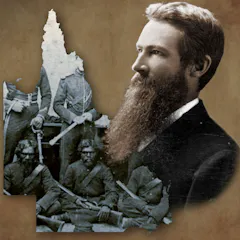
Many argue Samuel Griffith, twice Queensland premier and our first chief justice, is guilty of colonial war crimes. Raymond Evans searched for the evidence to nail him but found a different story.
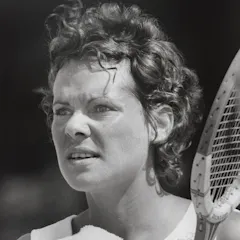
The Wiradjuri woman will be feted at this year’s Australian Open for her remarkable career. But this is also an opportunity for truth-telling.
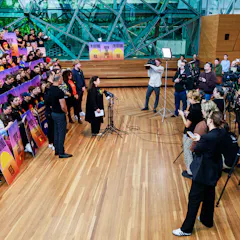
The “he said/she said” reporting of yesteryear no longer serves a democratic purpose. Media must do better at calling out lies and misinformation.
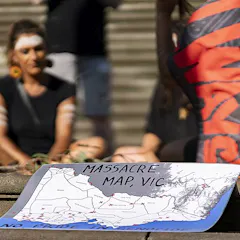
Truth-telling between First Nations and non-Indigenous people is a vital step in recognising past colonial wrongdoing. And research has found it is also a step towards self-determination and healing.
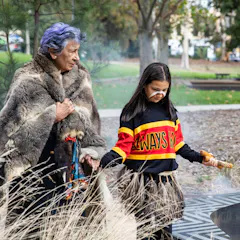
Non-Indigenous Australians need to actively seek the truth about past violence and injustice against Indigenous Australians.
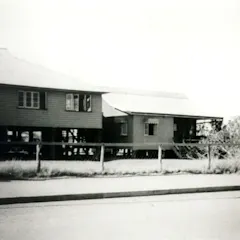
Research conducted with Gkuthaarn and Kukatj community members helps paint a picture of the lives of eight young Aboriginal people who lived during early colonial expansion.

The Uluru Statement from the Heart calls for truth-telling as a crucial step towards reconciliation. What does this process involve, and what are the potential promises and pitfalls?
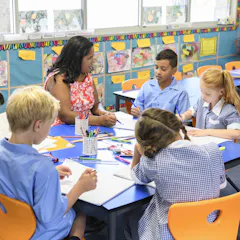
Prime Minister Anthony Albanese stated students should learn about the atrocities suffered by Indigenous people. However, appropriately teaching history is only one area that needs to be addressed.
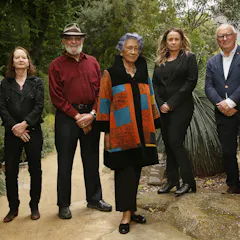
Formal hearings of the Yoorrook Justice Commission have begun in Melbourne. This is the first Indigenous-led justice commission of this kind in the world.
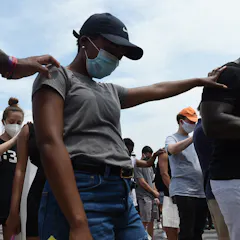
A peace studies expert explains a technique for resolving conflict that she says is more effective and less divisive than public shaming.
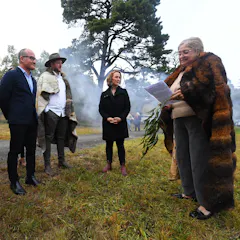
Today marks a first for Australia: a truth-telling process to begin answering for the abuses and injustices suffered by Indigenous people. Victoria’s commission can be a model for the nation.
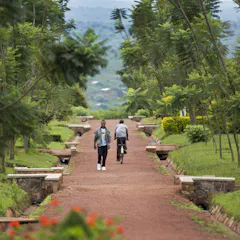
Is it always good to talk about violent pasts? Sixty Rwandan youths participated in a research project that aimed to understand the perspectives of people born of rapes committed during the genocide
Top contributors
-

Professor, Australian and Aboriginal History, Faculty of Arts, Design and Architecture, Convenor: Indigenous Land & Justice Research Group, UNSW
-
Senior Research Fellow, Indigenous Land & Justice Research Group, UNSW
-
Research Associate, Deakin University
-
Adjunct Research Fellow, Griffith University
-
2024 ACSES First Nations Fellow, Senior Lecturer in Indigenous Knowledges, Charles Darwin University
-
Commissioner at Yoo-rrook Justice Commission, Indigenous Knowledge
-
Professor, School of Social and Political Sciences, Director, The (so-called) Australian Centre, The University of Melbourne
-
Senior Yorta Yorta Elder and Fellow School of Social and Political Science, University of Melbourne., The University of Melbourne
-
Adjunct professor, Monash University
-
Associate Professor, UNSW
-
Archaeologist, Griffith University
-
Faculty of Arts Indigenous Postdoctoral Fellow, Indigenous and Settler Relations Collaboration, The University of Melbourne
-
Canada Research Chair in Human Evolutionary Studies, and Professor of Archaeology, Simon Fraser University
-
Professor of Race Relations, Deakin University
-
Associate Professor of Sport History, Queensland Centre for Olympic and Paralympic Studies, The University of Queensland