
After May 1, the drug will cost a tiny fraction of its original price. But it can’t be taken at home.
Articles on Treatment-resistant depression
Displaying all articles
Transcranial direct current stimulation delivers a weak electrical current to the brain to improve depression symptoms.

This latest research provides hope for people whose symptoms are harder to treat.

An overreliance on medication as the first-line treatment for depression can lead some people to be labeled with treatment-resistant depression when there are other viable alternatives for relief.
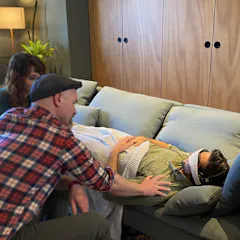
From July this year, some psychiatrists will be able to prescribe psychedelics to some patients. Responses from experts working in the field are mixed.
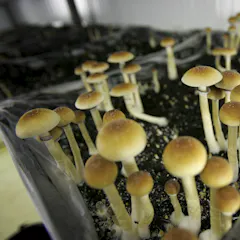
Alberta’s new policy on psychedelic-assisted therapy for mental illness may set a precedent that moves Canadians one step closer to accepting psychedelics as medicinal substances.

Research shows that ketamine can produce long-term reductions in symptoms of treatment-resistant depression.
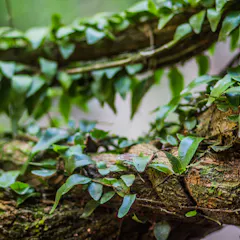
Ayahuasca has long been used for indigenous healing and spiritual rituals. Now, a Brazilian clinical trial has confirmed that this psychoactive drink can help those with even severe depression.
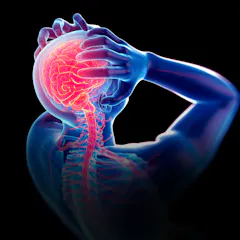
For some patients, drilling a hole in the skull and inserting an electrode into the ‘sadness centre’ of the brain offers relief from debilitating and otherwise treatment-resistant depression.
Top contributors
-

Professor of Psychiatry, Universidade Estadual de Campinas (Unicamp)
-
Munk Journalism Fellow/Registered Nurse, University of Toronto
-
Professor, Brain Institute, Universidade Federal do Rio Grande do Norte (UFRN)
-
Universidade Federal do Rio Grande do Norte (UFRN)
-
PhD Student in Social Work and Developmental Psychology, University of Michigan
-
Professor and Canada Research Chair in the History of Health & Social Justice, University of Saskatchewan
-
Enterprise Fellow (Senior Research Fellow/Senior Lecturer), Adelaide University
-
Clinical Assistant Professor of Psychiatry and Neurology, University of Michigan
-
PhD Candidate in Psychology + Neuroscience, University of Guelph
-
Head of Clinical Psychedelic Research, Monash University
-
Professor of Neuroscience, Durham University
-
Professor of Pharmaceutical Chemistry, Macquarie University
-
Associate Lecturer and Registered Pharmacist, University of Sydney