
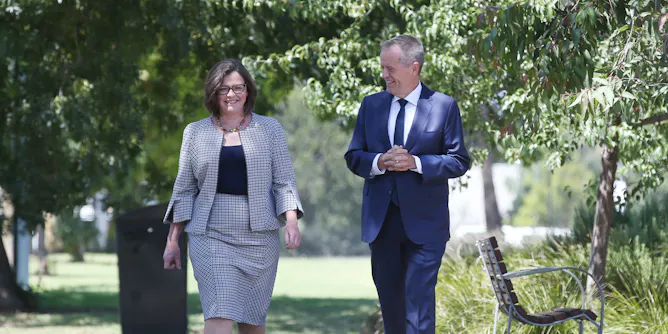
There are undoubtedly advantages for unions in terms of access and policy influence by having former officials as MPs.
Articles on Trade unions
Displaying 81 - 100 of 159 articles
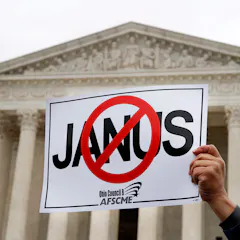
The Supreme Court could kill collective bargaining throughout the country, making workers worse off and exacerbating inequality.

Even with the most favourable laws, unions will still need to confront the reality of a dramatic transformation in the world of work.

It will take 217 years for women to achieve equal pay at the current rate.

Labour movements on both sides of the Atlantic have a rich history that’s worth rereading now.
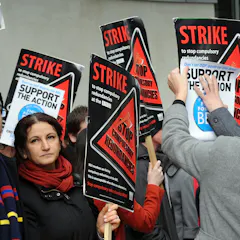
The number of days lost to strikes are near all-time lows since records began.
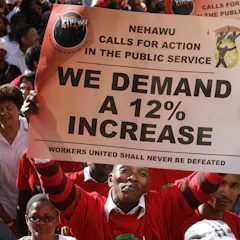
Proposed changes to South Africa’s labour laws would make it almost impossible to strike and render the planned national minimum wage unenforceable.

Employers increasingly expect employees to take responsibility for ensuring a healthy work-life balance.

Around the world, McDonald’s is known for its staunch and well-resourced attempt to remain ‘union free’.
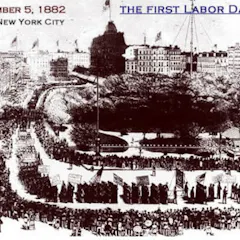
The holiday began as a strike against excessive workweeks but now bears little resemblance to its worker-centric origins, even as the founders’ gains are slowly lost.

The membership base of South Africa’s trade union movement has undergone significant changes which begs the question: has it moved away from its working class roots to become a middle class movement.

Not only did trade union membership peak in the 1970s – so did their way of doing things.

There’s a raging debate in South Africa about the role of its central bank. This is inevitable given that so much is changing in the world of central banking and in economic life.

Union membership continues to fall, particularly within industries that traditionally claim a strong union heritage.
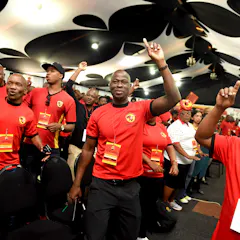
South Africa’s newest trade union federation, Saftu, comes at a time of declining political influence by unions, compared to during the struggle against apartheid. They are also seen as elitist.
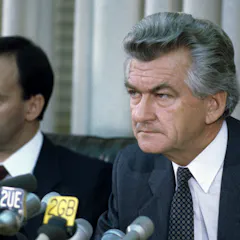
The Prices and Incomes Accord was a series of agreements between Labor and the ACTU where unions would moderate their wage demands in exchange for improvements in the ‘social wage’.

A major shift to an industrial relations model that benefits all parties will only happen with the utmost co-operation of Australian workers, unions and – most crucially – employers.

There is little chance of industrial unrest on the the scale of the 1970s, but Labour still has to tread carefully.

Theresa May has dropped her pledge to put workers on company boards. It’s a big concession to vested business interests.
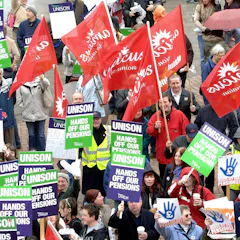
A century on from the UK’s only ever general strike, the major federation for organised labour in Britain must learn to be more effective.
Top contributors
-

Professorial Fellow, University of Canberra
-
Affiliate Research Associate, School of Political and Social Sciences, University of Glasgow
-
Associate Tutor, University of Surrey
-
Distinguished Reserach Professor, Southern Centre for Inequality Studies, University of the Witwatersrand
-
Associate Professor of Employment Relations, GEM
-
Senior lecturer, University of Edinburgh
-
Distinguished Professor of Workplace Law, RMIT University
-
Emeritus Professor, Macquarie University
-
Laurie Carmichael Distinguished Research Fellow at the Centre for Future Work, Melbourne; and Professor Emeritus, Griffith Business School, Griffith University
-
Lecturer in Politics, Edge Hill University
-
Principal Lecturer (Learning and Teaching), Teesside University
-
Professor of Work and Labour Market Policy, University of Sydney
-
Economist and Director, Centre for Future Work, Australia Institute; Honorary Professor of Political Economy, University of Sydney
-
Professor of Work and Employment Relations, University of Leeds
-
Professor of Work and Employment, University of Glasgow