
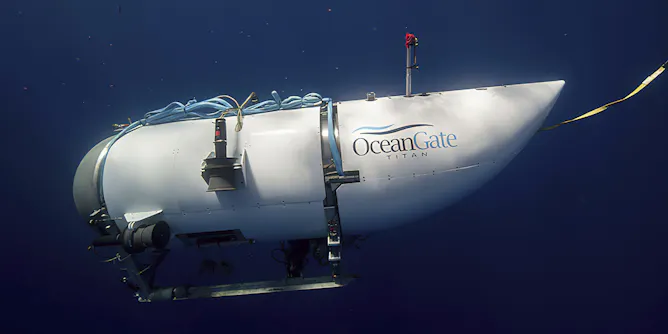
Humour plays a role in our collective memory of historical events, especially disasters. Public reactions to the Titan’s implosion were reminiscent of comments that followed the sinking of the Titanic.
Articles on Titan submersible
Displaying all articles
If we want fewer accidents, we may want to consider how we as a society value risk-taking and safety regulations rather than blaming it on individuals.
The recent tragedy was an outlier; deep-diving submersibles have an outstanding safety record.

The Titan disaster happened in international waters, in a commercially operated vessel, and with victims of different nationalities. Any details that emerge will likely be treated with sensitivity.
The Titan submersible implosion shares similarities with two other historic disasters: the Titanic and the Terra Nova Expedition to the South Pole.
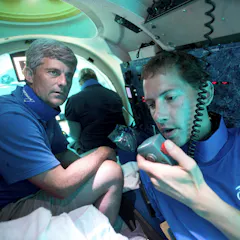
Almost half of all crises are disasters waiting to happen, because warnings have been unheeded or ignored.
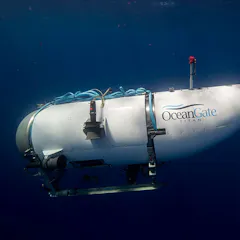
Advances in technology have allowed tourists to go to places and do things they couldn’t in the past. But in extreme environments, the consequences of failure are high.
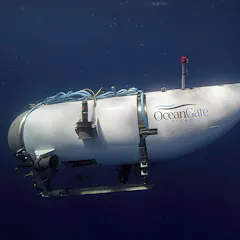
Deep underwater, the Titan submersible would have been crushed in less than a second once a defect cracked the hull.
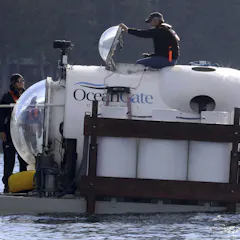
Not only do risky activities make people feel euphoric, they also convey status. But should there be limits on what tourists can do?
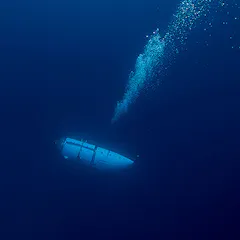
Most submersible designers would elect to have a classification society certify a vessel’s design. OceanGate made the conscious decision to refuse to do this for the Titan.

A team of rescuers has located debris from the Titan, indicating the end of search-and-rescue efforts. Risky undertakings need to assess the cost and capacity of any potential rescue needs.
Top contributors
-

Associate Professor, School of Electrical and Mechanical Engineering, Adelaide University
-
Associate Professor of Hospitality and Tourism Management, University of South Carolina
-
Senior Research Associate, RMIT University
-
PhD Student and Marine Archaeologist, Simon Fraser University
-
Professor of Ocean Exploration and Science Communication, University of Southampton
-
Senior lecturer, Institute for Marine and Antarctic Studies, University of Tasmania
-
Professor, Disaster & Emergency Management, Faculty of Liberal Arts & Professional Studies & Director, CIFAL York, York University, Canada
-
Professor, University of Tasmania
-
Adjunct professor, Tourism, Southern Cross University
-
Postdoctoral research fellow, University of Toronto
-
Professor of Sustainable Tourism and Heritage, Western Sydney University
-
Associate Professor of Forensic Science, Murdoch University
-
Professor of Psychology, Aberystwyth University