

A serious event such as a blood clot could be caused by an underlying medical condition, a medication the person was taking at the time, or some other factor unrelated to the vaccine.
Articles on Therapeutic Goods Administration
Displaying 21 - 40 of 47 articles

Australia is set to get the green light to roll out the Pfizer vaccine any day now. There is a complex process behind this.

COVID-19 has resulted in higher than normal levels of medicine shortages. Here’s what to do if your local pharmacy is out of stock.

Australia is still aiming to start vaccinating high-risk groups from March. Why the delay?

A few simple pointers can help you spot a quality mask from a dud.

National drug regulators use evidence from clinical trials to decide whether new cancer drugs will be approved for use. But these studies are often flawed.

The proposed Australian ban of some types of breast implants is too little, too late. It also reveals regulatory failures that need to be fixed if Australian consumers are to be protected.

While PPS is approved in oral capsule form to treat bladder inflammation, it is not yet approved as in injection for knee and bone problems. But AFL players have been given special access.

Who should be legally responsible when 3D printed devices fail? Proposed changes to the Therapeutic Goods Administration’s regulatory framework have the potential to settle that question.

There is currently a weak process of checking claims made in advertisements for medicines, to ensure they don’t mislead or deceive consumers -this could be abandoned if a bill passes parliament.
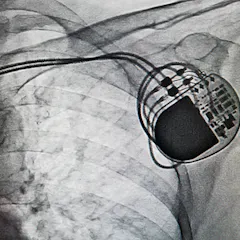
Australia’s Therapeutic Goods Administration must learn to deal with software rather than simply bits of metal and plastic.

Pacemakers are Internet of Things devices for the human body, but they’re still not particularly secure.

Would you trust a complementary medicine described as “vermifuge”, “vulnerary” or “emmenagogue”? That’s what new labelling proposes and not everyone’s happy about it.

Regulatory bodies approved some medical devices to treat pelvic organ prolapse and urinary incontinence before having data to prove their safety and efficacy.

Intuitively, it might seem desirable to speed up access to medicines. But this means more drugs will be approved that may subsequently prove unsafe or ineffective.

If the Therapeutic Goods Administration implements new proposals to regulate complementary medicines, you can be more confident they actually do what they say on the packet.

The recent decision to effectively ban e-cigarettes will hurt poor and disadvantaged smokers the most.
E-cigarettes remain effectively banned in Australia because advocates’ evidence has failed to convince the Therapeutic Goods Administration.

Consumers can’t always be confident claims for complementary medicines stack up. Here’s how to foster truth in advertising.

Classing e-cigarettes as quit smoking aids could help rebrand the tobacco industry as a legitimate player in health policy. Here’s why we should be concerned.
Top contributors
-

Professor of Pharmaceutical Chemistry, Macquarie University
-
Health activist, Medreach Pty Ltd., Bond University
-
Associate Professor, School of Law, University of Canberra
-
NHMRC Postgraduate Scholar and Fulbright Alumna in Public Health Policy, Monash University
-
Associate Professor of Pharmacology, University of Sydney
-
Professor and Deputy Director, Monash Addiction Research Centre, Monash University
-
Pharmacist and PhD Candidate, University of Sydney
-
Head of School and Dean of Pharmacy, University of Sydney
-
Adjunct professor, Department of Health Policy & Management, George Washington University
-
Pharmacist and PhD Candidate, University of Sydney
-
Professor of Public Health, La Trobe University
-
Professor in Pharmaceutical Policy, School of Pharmacy and Charles Perkins Centre, University of Sydney
-
Biomedical Science/ Law student, Monash University
-
Associate Professor, Urogynaecology Royal Brisbane and Women's and Wesley Hospitals Brisbane, The University of Queensland
-
Tobacco treatment, UNSW