
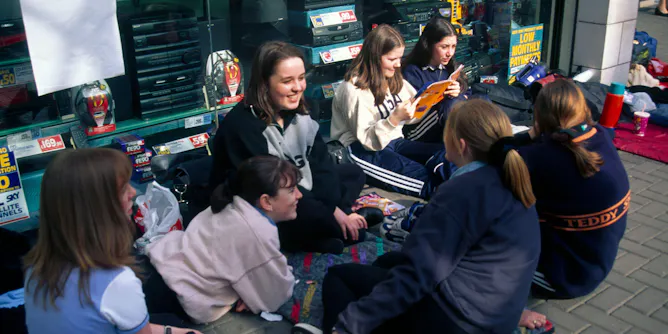
Young people would cross territorial boundaries for band practice, house parties or underground gigs.
Articles on The Troubles
Displaying 1 - 20 of 60 articles
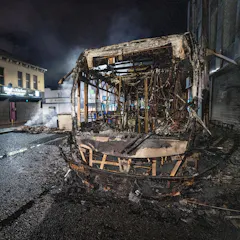
Families fled burning homes as violence flared in the city.
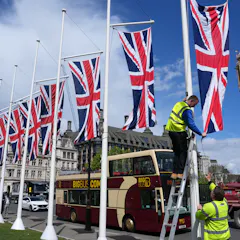
The leading parties that have dominated British politics for decades are badly wounded, and nationalism is also rising in Wales, Scotland and Northern Ireland.
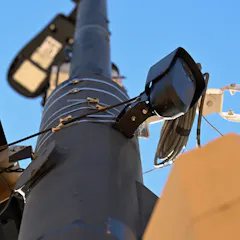
What began as a tool to identify threats to national security is becoming a surveillance infrastructure that can be used to track everyone.

Ice hockey in Belfast is a spectator sport with no deep history on either side of the Protestant-Catholic conflict. It’s a neutral ground where fans from different backgrounds come together.
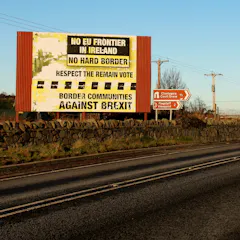
Despite its many flaws, Brexit may have paved the way for a more constructive conversation about Northern Ireland’s future.

The enthusiastically received Irish-language film shows how film can cut through the noise of history, politics and culture to offer a fresh perspective.
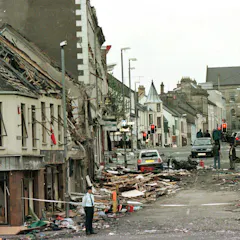
There remain questions about how authorities in both Ireland and the UK handled the events around the 1998 bombing that killed 29 people.
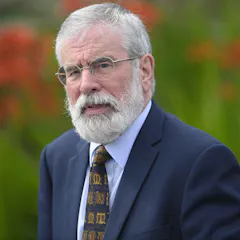
Gerry Adams’ compensation for past unlawful detention is largely a red herring. Getting information from the IRA and loyalists for victims is the real prize.
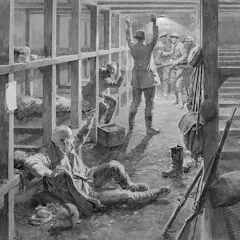
I’ve researched the rare moments of intimacy during war, when enemies see the humanity in each other and forge unlikely friendships.
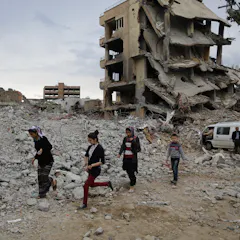
Kurds have had a history of discrimination perpetrated against them by the Turkish government.
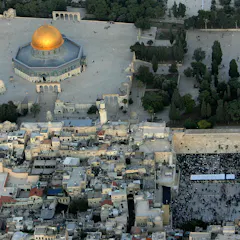
Conflicts over the Alsace-Lorraine region and Northern Ireland offer examples of how territory is often at the center of a conflict − and what is necessary to pave the path to peace.

Opponents of the U.K. government’s Northern Ireland Troubles Act argue it violates the Good Friday Agreement by denying victims their right to justice.
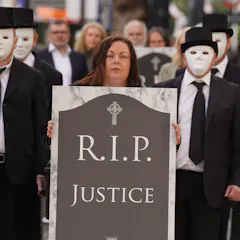
The Troubles ‘legacy and reconciliation’ bill will do little to promote reconciliation in Northern Ireland.
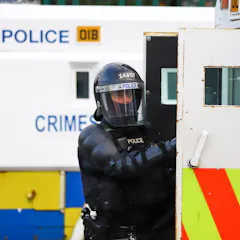
The attempted murder of an off-duty officer just a few months ago is clear evidence of what can happen when the personal information of PSNI staff becomes public.

Belfast’s peacewalls are psychological reminders of the sectarian divisions that have long existed in the city.
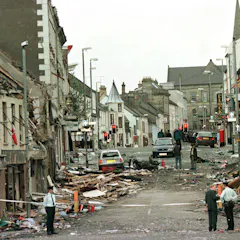
The long-term legacy can be linked to poor mental health, high levels of suicide and alcohol and drug problems – but also innovation.

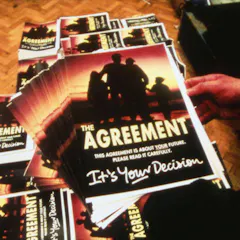
Bill Clinton and senator George Mitchell were central in keeping the players at the table so that the historical deal could be signed in 1998.
A law making its way through parliament that would grant widespread immunity from prosecution for people accused of crimes during the Troubles.
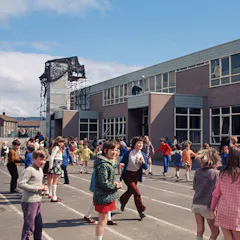
The resources do a good job in explaining that political conflicts rarely end in a moment, but after a long process.
Top contributors
-

Professor of Contemporary Irish Literature, University of Salford
-
Professor of Education, Queen's University Belfast
-
Professor of Law, Queen's University Belfast
-
Senior Lecturer and UKRI Future Leaders Fellow, School of Arts, English and Languages, Queen's University Belfast
-
Associate Professor Conflict Resolution, Trinity College Dublin
-
Lecturer in Politics, Queen's University Belfast
-
Lecturer, Queen's University Belfast
-
Adjunct Professor of Political Science, George Mason University
-
Professor of Intelligence Studies
-
PhD Researcher in Film Studies, Queen's University Belfast
-
Lecturer, Film Practice, Queen's University Belfast
-
Lecturer in International Relations, University of Kent
-
Director of the Centre for Shared Education, Queen's University Belfast
-
Professor of Post Conflict Studies, Queen's University Belfast
-
Lecturer in Criminology, Queen's University Belfast