
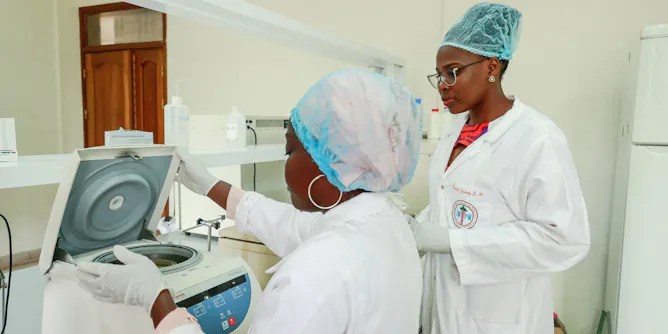
While Africa accounts for roughly 25% of the global disease burden, its people are largely invisible in randomised controlled trials.
Articles on The Lancet
Displaying all articles

A new study shows gluten itself is rarely the cause of gut problems, whatever people think. But symptoms are real. So what’s really going on?

A larger body doesn’t necessarily mean you have ‘clinical obesity’, according to a proposed new definition of the disease.

Young children’s development between the ages of 2 and 5 is shaped by a range of influences.

It’s a fallacy that the medical atrocities carried out by the Nazis involved just a handful of radicalised doctors.

A reignited debate centres around whether broadening the diagnosis of autism has made the diagnostic label no longer entirely fit-for-purpose.

We found most governments were ill-prepared, too slow to act, paid too little attention to the most vulnerable, and were hampered by low public trust and an epidemic of misinformation.
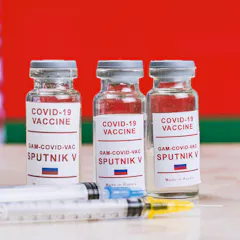
Sixteen countries authorised the use of Russia’s Sputnik V vaccine before phase 3 clinical trial results were published.
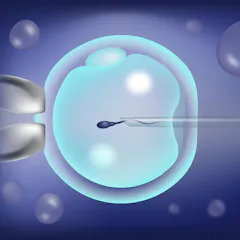
Our new study shows a widely used fertility treatment, known as ICSI, is no better than standard IVF for most people. Yet, it’s being routinely offered around the world.

The reason the vaccine appears to have worked better in participants who initially received only half a dose is still somewhat of a mystery.

A major new report presents the latest data on the health impacts in a warming world. It found there were 296,000 heat-related deaths in people over 65 years in 2018.

Severe scrutiny of two major papers, including one about the effectiveness of hydroxychloroquine, is part of science’s normal process of self-correction.

People taking hydroxychloroquine for coronavirus may be more likely to die, according to new research. But that doesn’t mean the drug is killing them.

A warming climate leads to more heat-related deaths. The fact some research is showing the opposite indicates we need to refine the way we measure heat-related mortality.

A study published recently in The Lancet indicated menopausal hormone therapy is associated with an increased risk of breast cancer. How can we interpret the results?

After 9/11, academic investigation seemed to seek out trauma rather than signs of resilience.

Poor childhood conditions, such as exposure to poverty and stunting, are associated with long-term disadvantages to health, education, social adjustment and earnings.

Misreporting on the ongoing debate is likely to lead to more deaths from cardiovascular disease.

While politicians and doctors argue over the data on the weekend effect, it’s important to remember that there are other ways to reduce hospital deaths.
Top contributors
-

Clinical lecturer, Aston University
-
Distinguished Professor, DST-NRF Centre of Excellence in Human Development, University of the Witwatersrand
-
Professor and Chair of International Relations, University of Bath
-
Lecturer in Environmental Economics, Ca' Foscari University of Venice
-
Director of the Centre for Epidemiology and Biostatistics, The University of Melbourne
-
Senior Researcher, Urban Transformations Research Centre, Western Sydney University
-
Senior Lecturer in Pharmacology, Adelaide University
-
Professor of Obstetrics and Gynaecology, The University of Melbourne
-
Professor Emeritus of Biochemistry, University at Buffalo
-
Emeritus Professor of Reproductive and Periconceptual Medicine, The Robinson Research Institute, Adelaide University
-
Postdoctoral Research Fellow, RMIT University
-
Head of School and Dean of Pharmacy, University of Sydney
-
Professor of Modern and Contemporary History, Keele University
-
Professor of Immunology, RMIT University
-
Professor, Department of Health Policy, London School of Economics and Political Science