
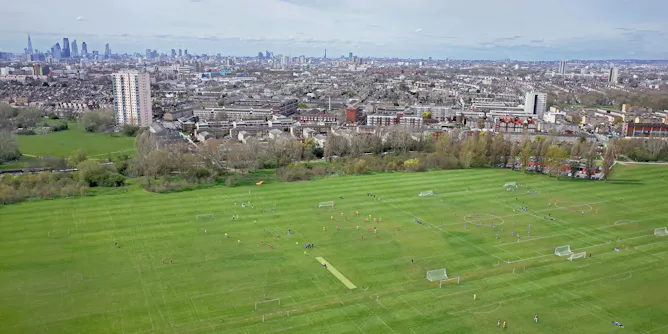
East London’s fabled football destination is the best example of how wartime rubble was repurposed to improve the city for its residents.
Articles on The Blitz
Displaying all articles

The failure of bombing campaigns during the second world war and Vietnam shows that to win a war you have to capture territory.

Canadians need to rethink their relationship to the pandemic by learning to live in a state of continual disaster for the foreseeable future.

How the pandemic is reported by the media can influence people’s behaviour.
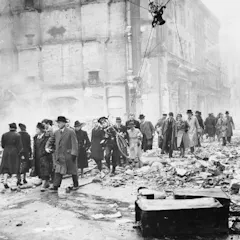
Wearing a face mask during the blitz was uncontentious.
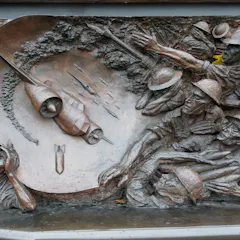
US correspondents in Britain played a big part in convincing the American public to support the British war effort.

Books were an important weapon on the home front in the second world war.
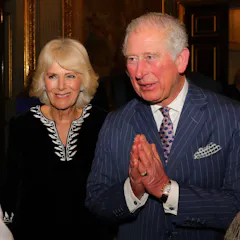
The pandemic makes it hard for the royal family to act as national figureheads as they have in past crises.

When World War II struck, the British government evacuated women to hospitals in the countryside to give birth – and the change still affects maternity care today.

Scientists studying the atmosphere found help in an unlikely place – the aerial bombing campaigns of World War Two.

Not just period pieces, the 2017 films “Dunkirk” and “Darkest Hour” shed light on the intense Brexit debate, and raise important questions about Britain’s fundamental identity.
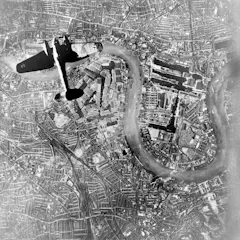
Government learned much from the war. But today we find new throwbacks to that Blitz-era sclerosis.
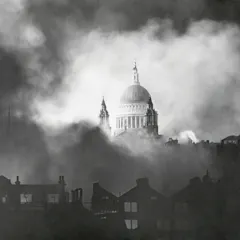
As the bombs fell, people flocked to the movies.
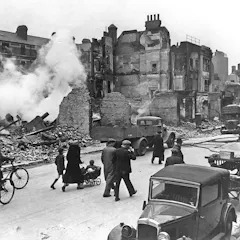
When buildings began to rise from the ruins and the rubble, the planners missed an opportunity to create a better society.

Despite big hopes for rebuilding Coventry’s manufacturing heart after the Blitz, the tale of Hillfields became one of sad decline.
Top contributors
-

Principal of South College, Durham University
-
Professor of Modern History, University of Reading
-
Professor of Linguistics, Bangor University
-
Visiting Associate Professor, University of Cambridge
-
Emeritus professor, University of Warwick
-
Professor of Space and Atmospheric Physics, University of Reading
-
Research Fellow, University of Warwick
-
Nottingham Trent University
-
Professor of Film Studies, Bangor University
-
Research Assistant in Media Communications and Critical Discourse Analysis, Bangor University
-
Assistant Researcher at the School of Arts, Culture and Language, Bangor University
-
Professor of British civilisation, Université Bordeaux Montaigne
-
Director of Undergraduate Studies, School of Journalism, Media and Cultural Studies, Cardiff University
-
Associate Professor in Book and Publishing Studies, University of Reading
-
Chancellor's Fellow in History, Max Planck Institute for the History of Science