

Tighter regulations of medicines and devices have prevented countless deaths and disabilities. But regulation can’t always protect us from harm.
Articles on Thalidomide
Displaying 21 - 34 of 34 articles
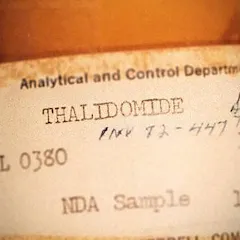
Thalidomide was responsible for one of the biggest drug disasters in history. It is making a comeback. But is Africa equipped to handle this controversial drug?

Reactions to the thalidomiders’ difference contributed – and continue to contribute – to their negative well-being and deteriorating health.
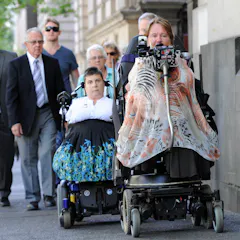
Decades have passed and yet the issue of financial compensation for the remaining “survivors” of the thalidomide tragedy has, in many instances, remained unresolved.

Journalist-turned-lawyer Michael Magazanik worked on recent Australian thalidomide lawsuits. As part of our series on the drug, he spoke to Ian Freckelton about the book he wrote, based on the case.
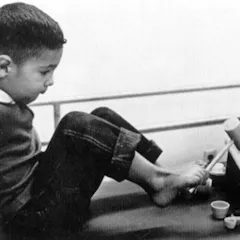
Thalidomide’s manufacturer, Chemie Grünenthal, marketed the drug as safe for pregnant women despite reports it was causing malformations in newborns. Why such blatant denial?
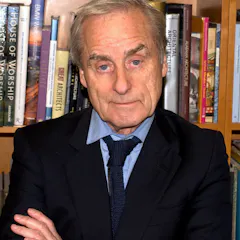
Sir Harold Evans talks to Richard Sambrook about The Sunday Times’ moral campaign against thalidomide’s manufacturers, the fight for political validation and the rise of investigative journalism.

Thalidomide was developed in an era of widespread enthusiasm – but little critical attention – for pharmaceutical therapies.

Thalidomide was marketed as a safe, sleep-inducing drug, but when taken during pregnancy it could cause severe birth defects.
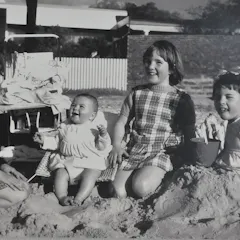
Thalidomide caused thousands of spontaneous abortions and left more than 10,000 children severely disabled. What guarantee is there that the same thing can’t occur again today?
Documents reveal thalidomide’s manufacturer was warned about possible harms as early as 1956.

A third of Australian women take medication while pregnant. So what’s safe and what’s not?

Research published today has found an association between commonly used antidepressants and birth defects. But pregnant women face greater harms from stopping their medication abruptly.
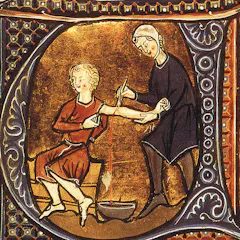
MEDICAL HISTORIES - The final instalment in our short series discusses the evolution of evidence-based medicine. Like bleeding, doctors’ intuition was a central part of medical practice until it was categorically…
Top contributors
-

Assistant Director of Pharmacy, Mater Health SEQ in conjoint appointment as Associate Professor of Pharmacology, Bond University and as Associate Professor (Clinical), The University of Queensland
-
Professor in Developmental Biology, University of Aberdeen
-
Associate Professor of History, University of Wollongong
-
Professor of Bioethics, Macquarie University
-
Associate professor, Department of Family and Community Medicine, University of Toronto; York University, Canada; University of Sydney
-
Professor of Practice in the School for the Future of Innovation in Society, Arizona State University
-
Assistant Professor, Sociology, University of Victoria
-
Health Services Researcher, The University of Melbourne
-
Associate Professor, Cumming School of Medicine, University of Calgary
-
Manager, Cancer Research Program, Monash University
-
Head, Cancer Research Program, Monash University
-
Adjunct Professor, Australian Centre for Health Law Research, School of Law, Queensland University of Technology
-
Developmental Biologist, Murdoch Children's Research Institute
-
Research associate, University of Pretoria
-
Distinguished Professor of Pharmacy Practice, University of Connecticut