
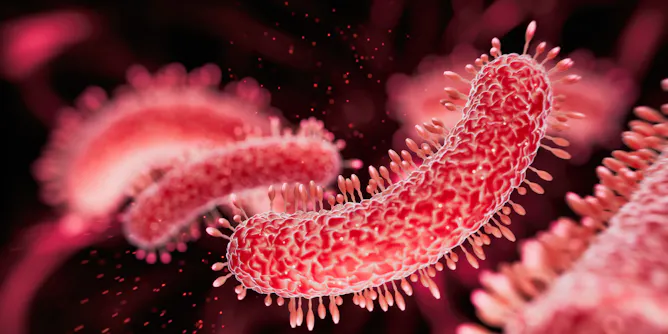
Reports of TB date back to the time of Hippocrates, but the Kansas outbreak shows that the ancient disease is very much a modern-day scourge.
Articles on TB treatment
Displaying all articles
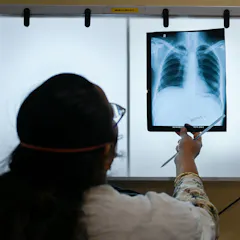
Less than half of the children aged 0-14 who have TB are diagnosed – so they never even start treatment.
Progress in many areas of TB control stalled or reversed mainly because of the COVID-19 pandemic and the recent geo-political situations.

There are several reasons that TB patients don’t or can’t adhere to their treatment.
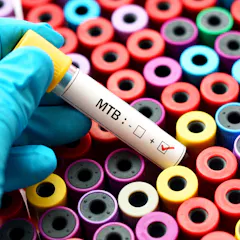
As antibiotics lose their power to treat some forms of TB, interest in the antibacterial powers of curdlan is rising.

An inhaled COVID-19 vaccine would go directly to where the body would use it: the mucosal surface of the airways. This could mean less waste and more benefit, lower costs and reduced side-effects.
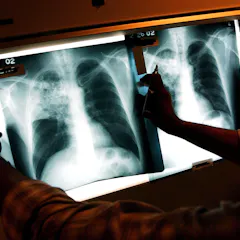
South Africa’s long-awaited TB prevalence survey results were recently released. They reveal that the country has a much higher burden of TB than previously thought.
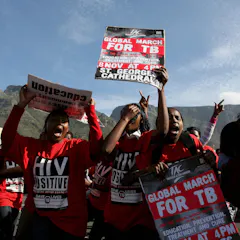
Obstacles to getting more people with TB treated extend beyond cost. It starts with locating people at greatest risk and expanding preventive treatment programmes.
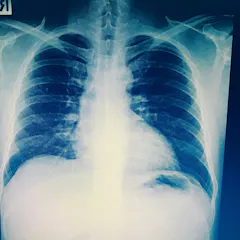
The push to end TB requires significant investment into the research and development of new diagnostics and treatments.
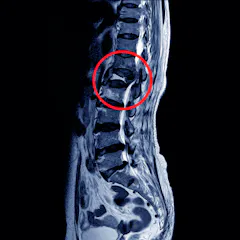
TB outside the lungs accounted for 14% of TB cases recorded globally in 2017.

In Southern Africa, high rates of HIV infection have been the primary driver of TB
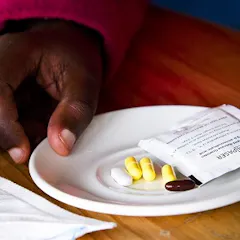
Treatment for drug-resistant TB remains problematic as the painful daily injectable patients receive for at least six months leaves more than 60% deaf.
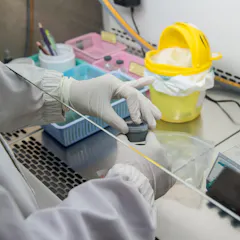
Shortening the treatment period has become a top priority within TB research but studies to date have been unsuccessful.
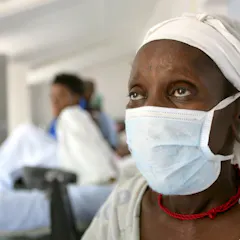
Antibiotics that were not originally earmarked to treat TB have shown the first signs of effectiveness and could be added to the much-needed arsenal of drugs to fight the deadly disease.
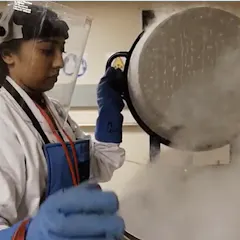
A new centre in South Africa will work to significantly reduce emerging HIV and TB co-infections.

A new study shows that by using genomics, you can cut down the lengthy process of testing for drug-resistance TB to a matter of days.
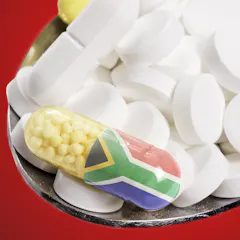
In a bid to improve health care in South Africa, President Jacob Zuma has made several promises in the last three years. Some have materialised faster than others.
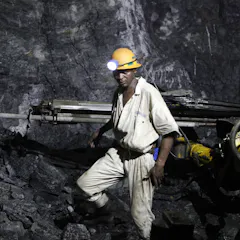
The closure of several mines in South Africa and production cuts could have a detrimental impact on the health of miners who rely on in-house HIV and TB treatment programmes.
Top contributors
-

Honorary Associate Professor in the School of Public Health, University of the Witwatersrand
-
Associate Professor of Pharmaceutical Sciences in the School of Health Sciences,, University of KwaZulu-Natal
-
Scientist with the Division of Molecular Biology and Human Genetics and Director of TASK Applied Science, Stellenbosch University
-
Honorary senior lecturer in the School of Public Health and Family Medicine, University of Cape Town
-
Director, Maternal and Infant Health Care Strategy Extramural Unit, SAMRC, University of Pretoria
-
Director: Health Programmes in Special Populations, Aurum Institute
-
Investigator, KwaZulu-Natal Research Institute for TB-HIV (K-RITH), Associate Professor in the Department of Medical Microbiology at the Nelson R. Mandela School of Medicine, University of KwaZulu-Natal
-
Research Group Leader, Institute for Tropical Medicine , University of Tübingen
-
Director of the Africa Centre for Population Health and Professor of Virology, University of KwaZulu-Natal
-
Head of the Centre of Excellence for Biomedical TB Research, University of the Witwatersrand
-
Honorary Professor, School of Public Health, University of the Witwatersrand and CEO, Aurum Institute
-
Assistant Professor, Africa Health Research Institute (AHRI)
-
Professor of Pathology and Molecular Medicine, McMaster University
-
Senior lecturer, University of the Western Cape
-
Aurum Institute