
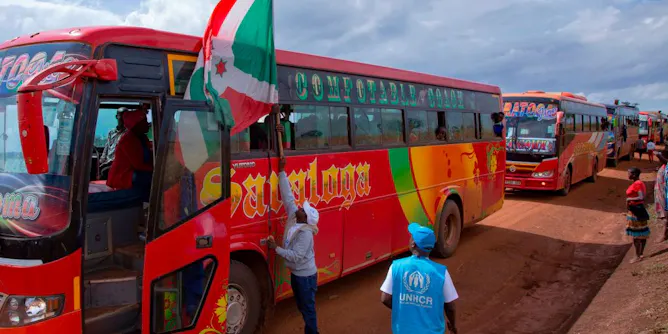
Tanzania’s refugee policy in the 1990s is a good example of how geopolitics affects ordinary refugees.
Articles on Tanzania
Displaying 81 - 100 of 351 articles
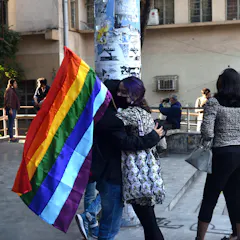
The proposed law reinforces unscientific conversion practices – or so-called reparative therapies – that don’t work.
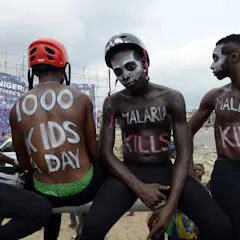
Nigeria must do more to reduce its high malaria burden.
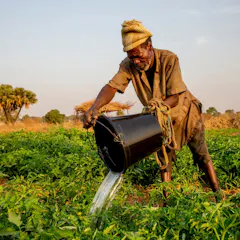
The relationship between small-scale irrigation and food security, diet quality, and nutrition is growing.
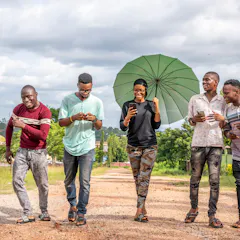
Leaders and organisations across Africa need to seriously rethink how they work with young people.
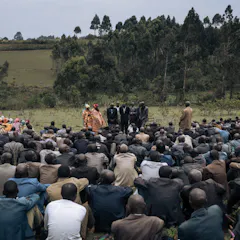
The Banyamulenge have been viewed as strangers in their own country – the violence targeting them revolves around this misconception.

Internet access opens up the world in many ways.
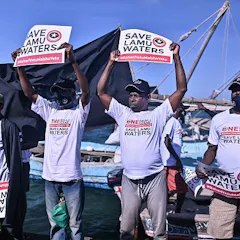
The joint border commission between Kenya and South Sudan is a step in the right direction.
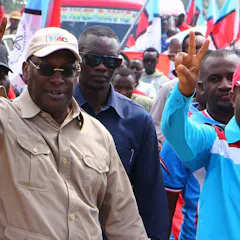
Tanzania’s six-year ban on political rallies shows how the president’s power can override the constitution.

He failed to understand that the struggle for justice and freedom in southern Africa was changing the world - and diplomacy itself.
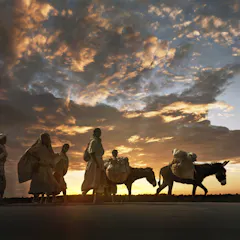
The demand for donkey hides to produce ejiao has led to a shortage of donkeys in China and increasingly worldwide.
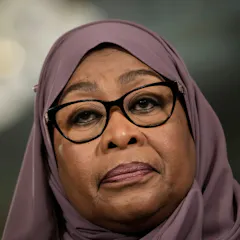
The Tanzanian president’s reform drive has endeared her to the populace but will also embolden opposition to her political ambitions.
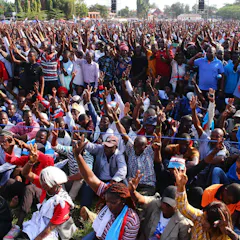
After years of censorship, opposition parties have to – all at once – rejoin public debates, reorganise and remotivate demoralised supporters.

Solar-powered cold storage technology is of prime significance in efforts to cut post-harvest losses.
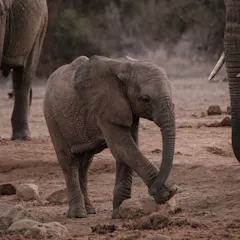
The findings suggest that poaching rates are lower where there is strong national governance and levels of local human development are higher.
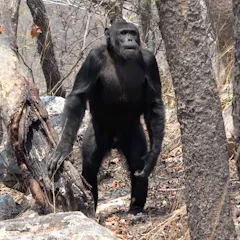
Almost all theories of human bipedalism explain it as a terrestrial adaptation. A new study does not support that view.

Traditional research outputs like journal articles don’t often give voice to communities’ stories.

The East African Court of Justice has been a keen promoter of the rule of law, democracy and human rights.
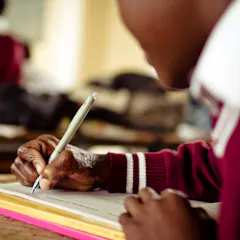
Education is important for girls’ future earning power and the promotion of their lifelong health and socioeconomic well-being.
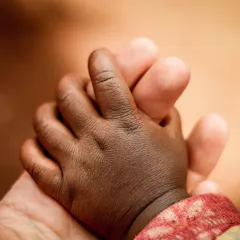
Eight countries are projected to be behind 50% of the growth in population over the next three decades. Five are in Africa.
Top contributors
-

Researcher, United States International University
-
Lecturer, Tumaini University Makumira
-
Assistant professor, University of Sussex
-
Post-Doctoral Research Fellow, SARChI in Higher Education and Human Development Research Group, University of the Free State
-
PhD Candidate, Department of Political Science and Public Administration, University of Nairobi
-
Senior Lecturer in Politics and International Relations, University of East London
-
Professor of Democracy, University of Birmingham
-
Research Associate Plant Systematics, Bayreuth University
-
Associate Professor of International Studies, University of Nottingham
-
Lecturer in Wildlife Conservation
-
Professor of French and Critical Disability Studies, Lancaster University
-
Asso. Professor in Anthropology, University College London, UCL
-
Professor of Disease Ecology and Public Health, University of Glasgow
-
Senior Lecturer in Social Work, Australian Catholic University
-
Researcher, SAMRC/Centre for Health Economics and Decision Science- PRICELESS SA, University of the Witwatersrand