
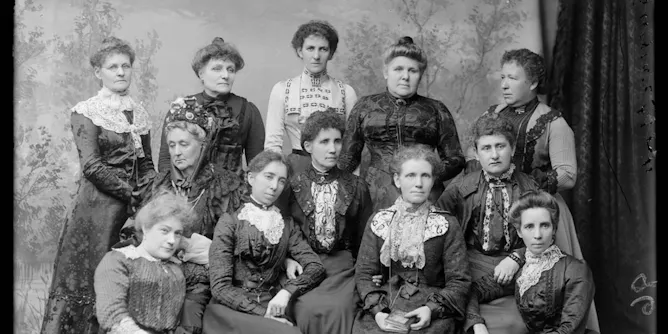
Apart from voting, April 25 1896 was also the day women got the right to govern – in a world first.
Articles on Suffragettes
Displaying 1 - 20 of 23 articles

Victorians found a way to anonymously tell people they didn’t like exactly how they felt.

Rather than causing societal problems, mothers have a long history of trying to fix them.
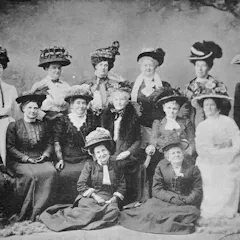
Australia’s earliest female political aspirants were staunchly independent, setting up a tradition that would remain more than a century later.

A scholar of fashion and politics explains what people can understand about the Democratic and Republican presidential candidates − and their running mates − by their selection of clothing.
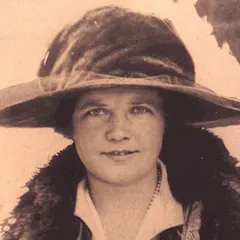
Lady Rhondda was a suffragette, a business leader and an editor. A statue of her is expected to be revealed in Newport, south Wales, next year.

Direct action can make the demands of a mainstream movement seem reasonable.
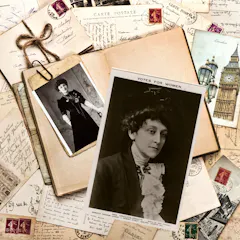
A scrapbook is a blank canvas upon which any activist can paint their story.
From the author of The Yellow Wallpaper, Herland is a feminist classic: darkly comic and rich with irony.
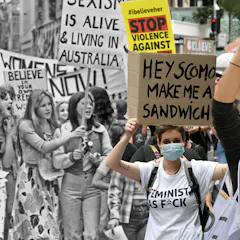
Through history, themes of anger and sorrow have run through women’s marches — but so too have themes of joy, hope and resilience.
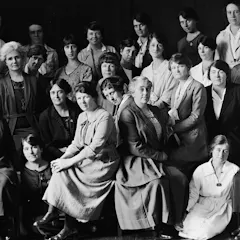
Despite harsh, discriminatory conditions, low pay and lack of appreciation, deaf women have fought with brilliance and dedication for personal and professional recognition, including the right to vote.
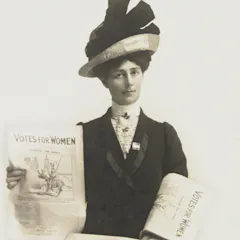
A biography about suffragist Vida Goldstein seeks to reveal her strength and endurance. Sadly, it also reveals how little progress women who seek political power on their terms have made.
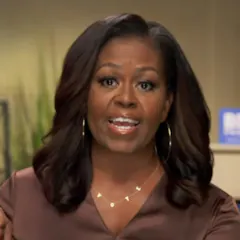
From hunger strike medals to brooches shaped like serpents and spiders, women’s jewellery can speak volumes.
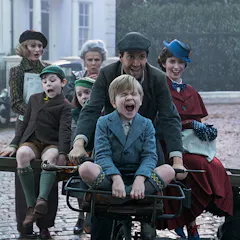
Disney’s 1964 classic film had a suffragette theme, but it remains to be seen if the new version will celebrate votes for women.
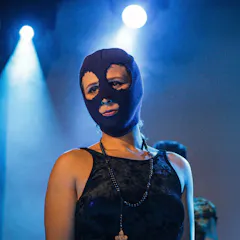
What 69-year-old philosopher Hugh MacLachlan made of Russia’s premier protest group.

Real life attackers won’t follow a carefully choreographed fight sequence – that’s why training is essential.
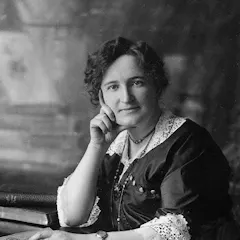
Canada is strangely muted in celebrating women’s suffrage. That’s because the politics of remembrance has become a contemporary minefield.
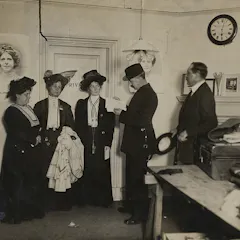
Justified or not, some of the suffragettes’ actions were still criminal. And many would consider a conviction a badge of honour.
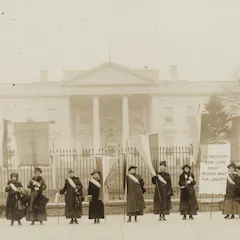
It’s been 100 years since women over 30 won the right to vote in Britain. But that didn’t solve gender injustice – and young people today need feminism more than ever.
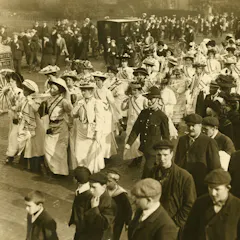
Not everyone won the vote in 1918, and not everyone is living their best life now.
Top contributors
-

Senior Lecturer in Sport Sociology, Cardiff Metropolitan University
-
Lecturer in Fine Art, Printmaking, RMIT University
-
Professor Emeritus of Applied Philosophy, Glasgow Caledonian University
-
Professor of Musicology, Durham University
-
Reader in the Sociology of Sport and Physical Culture, Cardiff Metropolitan University
-
Professor of Politics and Director of the Gender Research Centre, University of Bristol, University of Bristol
-
Professor of Sociology of Religion, Coventry University
-
Professor Emerita, University of British Columbia
-
Emeritus Professor of Women's and Gender History, University of Portsmouth
-
Senior Lecturer in Criminal Law and Justice, University of Manchester
-
Senior Lecturer, Visual Art, Head of Jewellery and Small Objects, Griffith University
-
Reader in Law, Cardiff University
-
Associate Professor, English and Creative Writing, Edith Cowan University
-
Reference Librarian, National Technical Institute for the Deaf, Rochester Institute of Technology Libraries, Rochester Institute of Technology
-
Lecturer in Sustainability, University of Manchester