
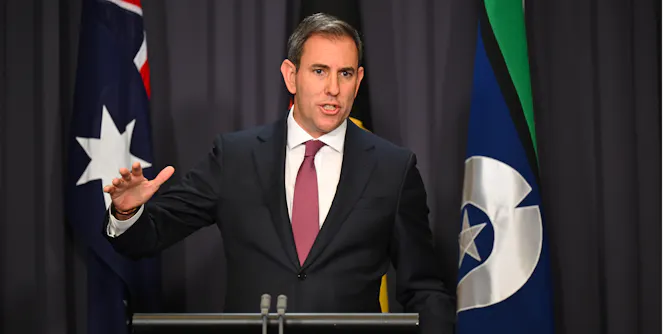
New innovations and technological advances are needed to lift Australia’s flagging growth and productivity.
Articles on structural reforms
Displaying all articles

Ghana hasn’t been able to withstand economic shocks or manage its debt because it hasn’t dealt with structural economic problems.

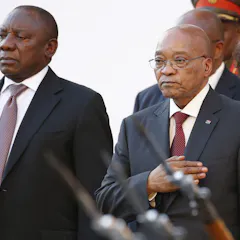
South Africa’s National Treasury now proposes to reduce salaries. On the face of it this seems sensible. But the fundamental issue is the structure of the public service.

Mauritius preserved its social welfare system even during structural reforms in the 1970s. It is now better prepared than most nations for the health and economic impact of COVID-19.
Every one of the 13 economists surveyed by The Conversation thinks more stimulus is needed. None think it should all come from the Reserve Bank. Most think the budget surplus can wait.
A big surplus will come. It should be saved for something important, not simply spent.
From the 20th-century process of policy trial and error, the nations that married the strengths of markets and government came out ahead.
There are many good things about the budget, including the promised cut to the payroll, but many of the key commitments relating to how policies will support growth are, at best, pointers.
Top contributors
-

Industry Professor, University of Technology Sydney
-
Reader of Public Policy, University of Warwick
-
Professor of Economics and Director, Tax and Transfer Policy Institute, Crawford School of Public Policy, Australian National University
-
Adjunct Professor, College of Business, Victoria University
-
Senior Research Associate, University of Johannesburg
-
Visiting Fellow, Crawford School of Public Policy, Australian National University
-
Head of the Leadership Centre, Charles Telfair Campus
-
Associate Lecturer, University of Aberdeen
-
Professorial Research Fellow, Melbourne Institute, The University of Melbourne
-
Emeritus Professor of Economics (Griffith University) and Teaching Associate (University of Queensland), Griffith University
-
Scientia Professor of Economics, UNSW
-
Professor - Department of Economics, Macquarie University
-
Professor of Economics, Griffith University
-
Adjunct Professor, School of Economics, University of Sydney
-
Associate Professor in Economics, University of Tasmania