
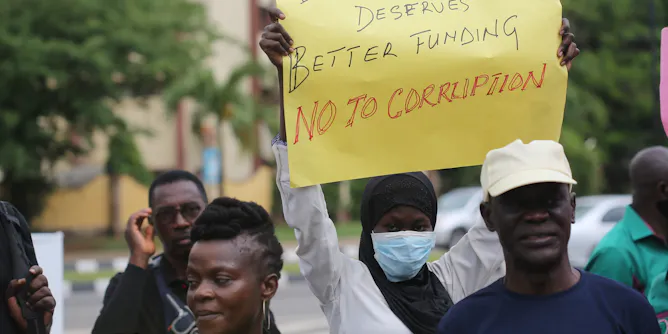
Strikes have had a negative impact on Nigeria but private universities have benefited.
Articles on Strikes
Displaying 121 - 140 of 205 articles
Inequality in organisations is difficult to shift because they are entrenched by the status quo.
Going on strike is not an option for the police in Nigeria as the consequences could be dire.

Millions are expected to stay home in a ‘silent strike’ againt the junta, while the country teeters of the edge of collapse.
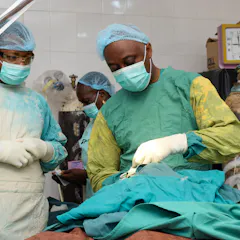
Increased funding for healthcare system would help the government quell incessant doctors’ strikes .
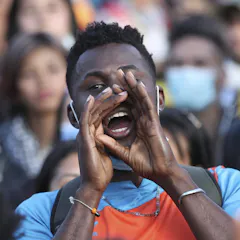
Canada should be doing everything it can to ensure human rights are upheld in Colombia. Instead, its response to the ongoing violence has been tepid.

Sweden electrified at the turn of the 20th century, leading to over 8,000 work stoppages – but the strikers were no Luddites.
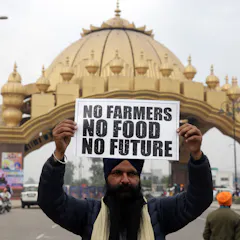
Farmers and their supporters are bringing Delhi and other cities to a standstill.

Before vice presidential candidate Kamala Harris, before presidential candidate Hillary Clinton, before Speaker of the House Nancy Pelosi, there was Congresswoman and firebrand Bella Abzug.
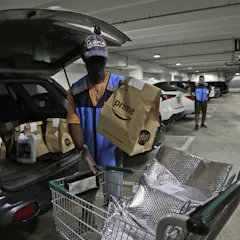
Delivery workers and others who ensure most people don’t have to go outside for essential goods are creating what economic theorists call an uncompensated ‘positive externality.’
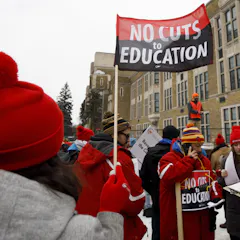
Short answer: they don’t. But striking teachers often receive a bit of financial help during a strike from money they themselves have already paid to their unions.
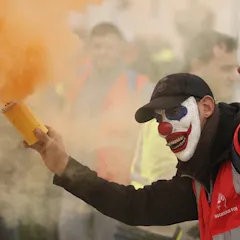
French rail transport is grinding to a halt. Teachers, truck drivers, lawyers and judges are also threatening to strike indefinitely.

Should students get refunds during strike action? An education economist gives his thoughts.

The gradual withdrawal of state support for universities has been the largest, and quietest, privatisation in UK history, and most people don’t even know about it.

The university strikes show how a dispute around a fairly technical employment issue, pensions, can develop a momentum of its own and become a catalyst for a much wider expression of dissatisfaction.
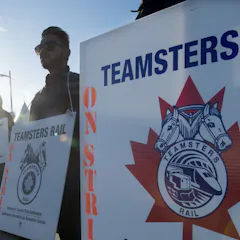
Internal documents reveal how police and government respond to protests or labour disputes that are framed as threats to national security, and how heavily corporations are involved.

The odds are stacked against the striking workers at General Motors. A sociologist who’s studied the decline of the US auto industry explains why.

Security guards won’t protect paramedics and community nurses from violent patients. And in hospital, some security guards can unwittingly escalate violence, unless they’re specially trained.

At best, this ‘debate’ is a distraction from political action that could truly make a difference. At worst, it actively reproduces some of the conditions it seeks to disrupt.

The ongoing labour dispute at the Rainforest Cafe in Niagara Falls, Ont., highlights some dubious efforts by employers to take tips from hospitality workers due to minimum wage increases.
Top contributors
-

Associate Tutor, University of Surrey
-
Affiliate Research Associate, School of Political and Social Sciences, University of Glasgow
-
Professor, Labour Studies, Brock University
-
Associate Professor, Labour studies, Brock University
-
Associate Professor of Employment Relations, GEM
-
Professor Emeritus of Business, Wayne State University
-
Professor of Sociology, University of Texas at Arlington
-
Associate Professor of Supply Chain Management, Michigan State University
-
PhD candidate, Labour Studies, McMaster University
-
Lecturer, University of Lagos
-
Lecturer in Politics, Edge Hill University
-
Professor, Political Studies, University of Saskatchewan
-
Professor of Labour Law, University of Sydney
-
Lecturer in Politics, Te Kunenga ki Pūrehuroa – Massey University
-
Professor of Labour Law, University of Bristol