

As the 2026 line-up is announced, the biomechanics behind Strictly’s routines reveal why injury is so common, and so hard to prevent.
Articles on Strictly Come Dancing
Displaying all articles
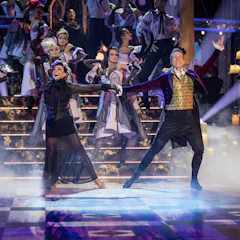
Feedback should clarify what good performance is.
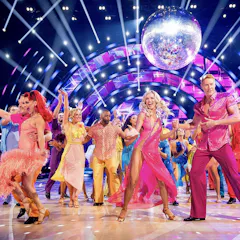
Strictly could improve the dance experience by concentrating on safeguarding, teaching practices and explaining how the judging works.

Many participants who are offered support do not take it up.

The sparkle, camp and glam of ballroom days gone by was rekindled in Goodman’s cheeky quips and cheesy one-liners.

Far from an extension of our secular Halloween, this Mexican celebration is a deeply religious custom with its own rituals, folklore and history.

Strictly continues its work in busting norms in who can or should dance – and who they can dance with.
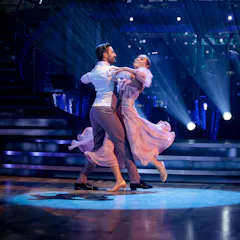
The brain uses visual information and vibrations to substitute the missing sense of hearing.

Some people do inherit traits which promote dance ability - but with hard work almost anyone can learn to dance well due to the plasticity of the brain

Channel 4 dating show Flirty Dancing is a reminder of the 18th century men who endured endless abuse to get Britain moving.
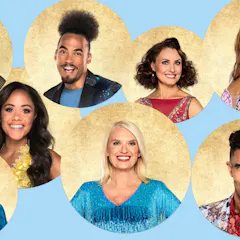
A close look at 15 years of the popular dance competition shows that people dancing last have a distinct advantage.

From Strictly Come Dancing to the Tour de France ‘curses’ have rational explanations. Here, psychologists discuss why belief in them persists.
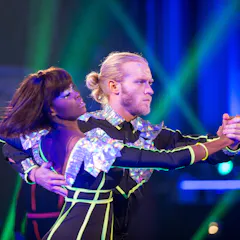
Should disabled competitors be judged on the same criteria as their able-bodied rivals when it comes to dance competitions?

The Strictly Come Dancing final looks to be somewhat dull – all glitter, no Balls.

Planet Earth’s bears have nothing on these critters.
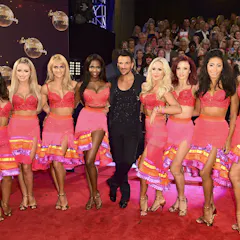
Shows such as Strictly Come Dancing and Bake Off bring in hundreds of millions and spread British cultural influence to the world.
Top contributors
-

Assistant Professor in Dance Studies, Coventry University
-
Associate Professor in Latin American Studies, University of Southampton
-
Associate Professor in Humanities, University of East Anglia
-
Professor of Sociology, City St George's, University of London
-
Senior Lecturer in Media, Northumbria University, Newcastle
-
Professor of Economics and Finance. Director of the Betting Research Unit and the Political Forecasting Unit at Nottingham Business School, Nottingham Trent University
-
Senior Lecturer in Music, Northumbria University, Newcastle
-
Assistant Professor, Northumbria University, Newcastle
-
Professor in Applied Cognitive Psychology, Manchester Metropolitan University
-
Senior Lecturer and Researcher in Cognitive and Parapsychology, Manchester Metropolitan University
-
Senior Lecturer in Cognitive Neuroscience, Lancaster University
-
Lecturer, School of History, University of St Andrews
-
Lecturer in Psychology in Sport and Exercise Science, Lancaster University
-
Lecturer in Creative Industries, The Open University
-
Senior Lecturer in Neuroscience, University of St Andrews