
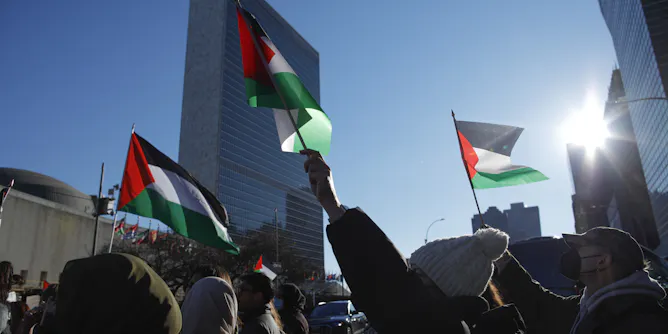
Conditional recognition of a Palestinian state by other countries is politically and legally questionable. A more straightforward statement from NZ would help.
Articles on Statehood
Displaying all articles

The cautious, conditional endorsements from Canada and the U.K. reflect the workings of a dated international system that governs the birth of states.

Australia has placed a number of preconditions on recognition. This kind of decision has long been a complicated and political process.
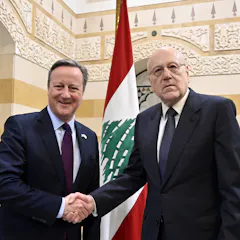
Much of the world already recognises Palestinian statehood. But recognition by the US and UK would be a hugely important decision.

Whichever way the ongoing armed conflict ends, the loser will be Somaliland president Muse Bihi Abdi.

The idea of what it means to be South Sudanese is not universally accepted in the young nation.

The Luhansk and Donetsk regions of Ukraine do not qualify as states under international law, but Russia is reinterpreting those norms for its own purposes.
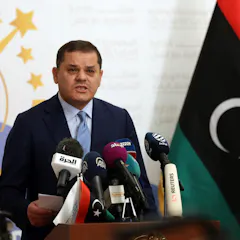
The biggest challenge is that the government does not have a monopoly over the legitimate use of force.

The rise of global cities, metropolises that dominate their states, is exposing Australia’s lack of metropolitan governments. It’s time to restart the evolution of our states after a century on hold.
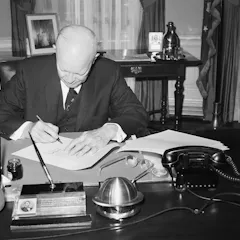
Hawaii’s fight for statehood was long and waged primarily against racist US lawmakers who feared admitting a majority Asian territory. But 60 years ago, President Eisenhower signed the statehood bill.

The real question is not so much about how to classify Asgardia – a satellite purporting to be a state – but the idea of human settlements in space in the future.
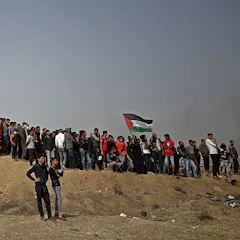
Palestinian nonviolent protests and mass movement of resistance is one of Israel’s biggest fears.

Europe’s youngest state badly wants into the EU, but the hurdles in place are high.

Some Puerto Ricans voted, but most stayed home amid a looming financial debt crisis and political protests. Will this vote matter?
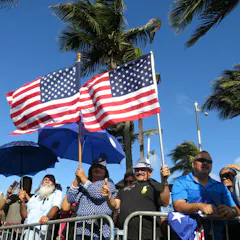
Over the years, Puerto Ricans have in fact been granted three different types of U.S. citizenship, but questions about their rights and equal treatment as citizens still remain.
Top contributors
-

Associate Professor of Political Science and El Instituto, University of Connecticut
-
Lecturer in Conflict Studies and Middle East Politics, Trinity College Dublin
-
Professor of Political Science, City University of New York
-
Chair/Professor of Latin American and Caribbean Literatures and Cultures, Depts. Spanish and Portuguese, African and African Diaspora Studies, The University of Texas at Austin
-
Senior lecturer, Australian National University
-
Reader in International Relations, University of Westminster
-
Lecturer in Law, University of East London
-
Senior Lecturer in Law, Flinders University
-
Lecturer in 20th Century US History, University of Sheffield
-
Professor in the Department of Government, University of Essex
-
DPhil Candidate, Department of Politics and International Relations, University of Oxford
-
Lecturer in Law, Swinburne University of Technology
-
Fellow, King's College London
-
Professor of International Law, Australian National University
-
Professor of Political Science, McMaster University