
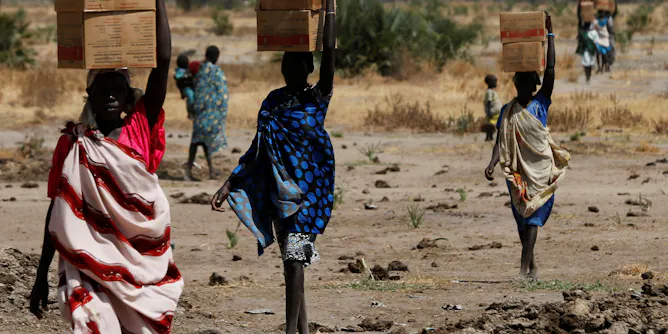
Last month South Sudan announced a dramatic increase in the cost of aid-worker permits from $100 to $10,000. It’s now backtracked on the decision.
Articles on South Sudan
Displaying 121 - 140 of 157 articles
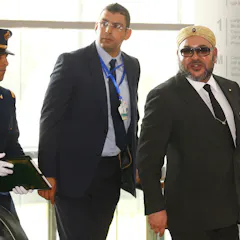
By admitting South Sudan and Morocco to the African Union, the continental organisation has proven yet again that its commitment to upholding its own democratic ideals is lacking.
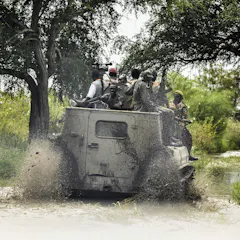
One of the worst humanitarian disasters in decades is well underway in East Africa.
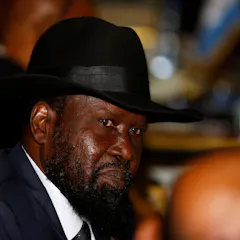
South Sudan seceded from Sudan in 2011 after a protracted war of independence that started in 1955. One internal struggle in this war was between the Sudan People’s Liberation Army’s (SPLA) leadership…
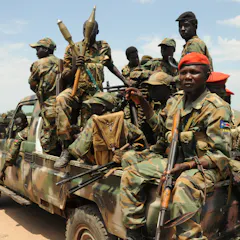
There’s still hope South Sudan can avoid becoming a full failed state. This will require radical changes in Juba’s mindset and bolder action from regional and international players.
The risk factors at the heart of vulnerability to conflict can be resolved. But the first step is a ceasefire founded on an inclusive and credible agreement underwritten by the international community
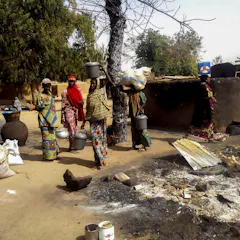
International law should include an offence of ‘creating a famine’.
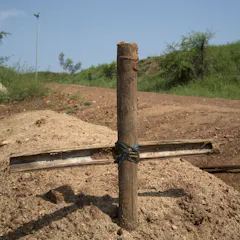
The world needs to take urgent steps to stop the threat of mass massacres in South Sudan with tough measures that must include direct legal and financial sanctions against the main protagonists.
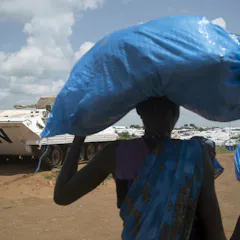
If fighting continues and controversial policies are not reversed, it’s only a matter of time before full scale fighting breaks out again in South Sudan.
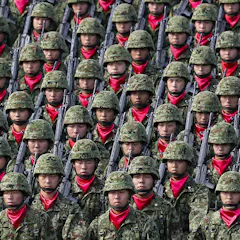
Combat could be on the cards for the first time in over 70 years.
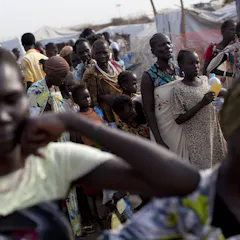
Even the UN Security Council’s most stubborn members have committed to defending South Sudan’s residents against violence.
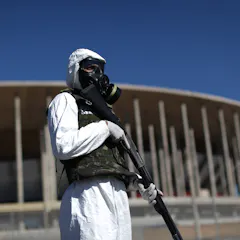
Governments often have limited knowledge of chemical production as it is the preserve of the private sector. Often these facilities are not as well secured as government facilities.
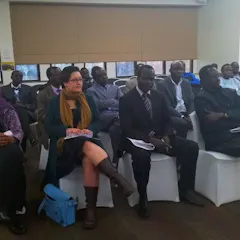
South Sudanese living in the ACT are facing racism when job seeking and can’t get employment in roles for which they have professional qualifications.
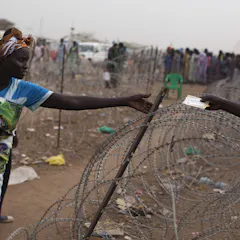
The violence and instability that wracks South Sudan is profoundly gendered.
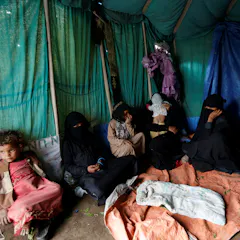
Getting assistance to populations in need demands new ways of doing development that are smarter, faster and more efficient.
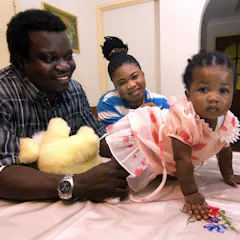
While 60-77% of migrants of African origin and 59% of Indigenous Australians report experience of discrimination in the Scanlon Foundation survey of Australian attitudes, optimism endures.
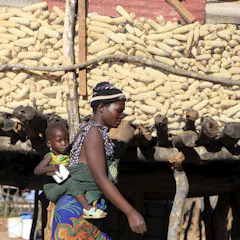
Economic growth alone won’t end hunger. Good policies and programmes are needed, too. Scientists and researchers have a role to play in these initiatives.
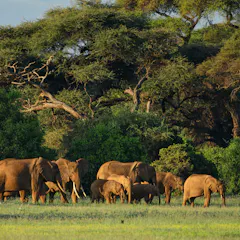
South Sudan is a country where conflict is rife. This has had a knock-on effect on the country’s rich and varied fauna, and put conservation programmes in severe crisis.
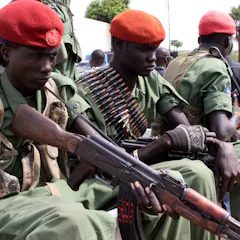
Betrayed by corrupt mismanagement and personalised leadership, the world’s youngest country is in danger of total collapse.
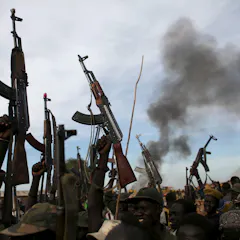
Despite President Salva Kiir and Vice-President Riek Machar’s calls for calm, hundreds have been killed and thousands displaced in renewed fighting in Juba.
Top contributors
-

Senior Research Fellow, Norwegian Institute of International Affairs and Visiting Professor University of Buckingham, Norwegian Institute of International Affairs
-
Researcher at the Austrian Institute for International Affairs, Österreichisches Institut für Internationale Politik (OIIP)
-
Adjunct Research Fellow, The University of Queensland
-
Associate Professor of History, University of Washington
-
Lecturer, Western Sydney University
-
Director, International Development Department, University of Birmingham
-
Research Professor & Associate Director, Peace Accords Matrix (PAM), Kroc Institute for International Peace Studies and Keough School of Global Affairs, University of Notre Dame
-
Professor of International Security, University of Birmingham
-
Adjunct Professor of African Security Studies, University of Juba
-
DPhil Candidate, Department of Politics and International Relations, University of Oxford
-
Research associate at African Centre for Cities, University of Cape Town
-
McKenzie Postdoctoral Research Fellow, Charles Darwin University
-
Professor of Politics, University of Birmingham
-
Professor, Weber State University
-
Professor of Democracy, University of Birmingham