
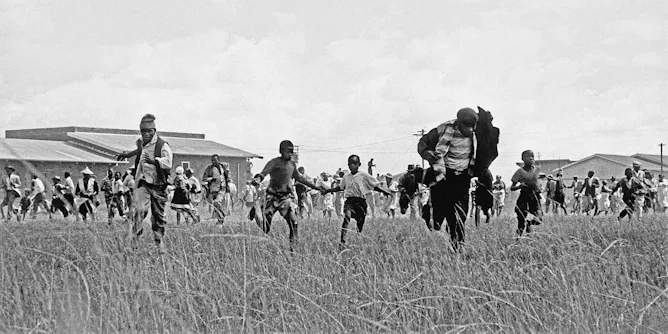
Ian Berry’s photographs of the Sharpeville massacre provided evidence of a crime against humanity.
Articles on South African Communist Party
Displaying 1 - 20 of 21 articles
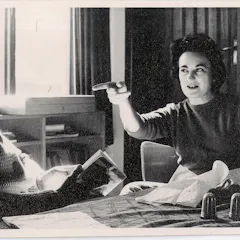
A new book revisits her life, work and ideas and shows how relevant they still are today.

When Essop Pahad was given a job, he did it efficiently. He surprised even his critics with his diligence.
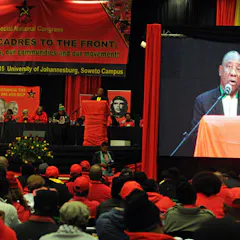
The resort to armed struggle brought the Communist Party and the African National Congress much closer together during their time in exile.
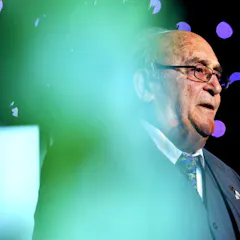
Goldberg was the youngest Rivonia triallist. Segregated prisons meant he was sent to Pretoria, while his fellow accused were incarcerated on Robben Island.
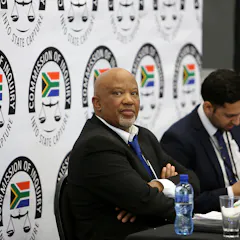
This book is a booster to morale. It tells South Africans they can enjoy the impressive economic growth they once achieved.
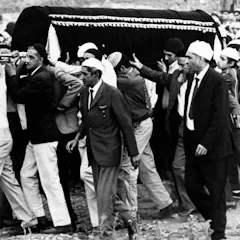
In South Africa’s criminal justice system post-1994, the Timol case is the first to enact what can be properly understood as restorative justice.

South African lawyer Bram Fischer has been idealised in a post-1994 context. He was raised in a position of privilege, but he used it to defy the injustice of the society that raised him.
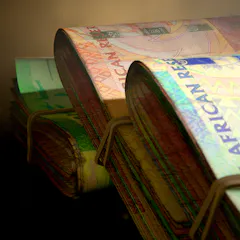
The push to nationalise South Africa’s Reserve Bank is informed by the mistaken view that private shareholders affect monetary policy.
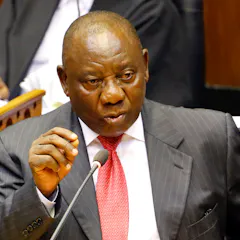
Jacob Zuma was removed by the people’s effect, which connected the dots of corruption, a mismanaged state and rapacious capitalism.
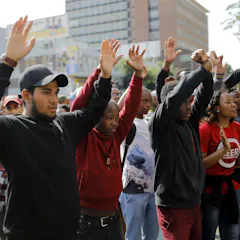
The South African oddity is that those who in other societies would be arguing against free passes for the affluent, argue for them.

Factions within South Africa’s ANC nostalgically point to the example of Oliver Reginald Tambo whose seen as an exemplar of integrity, personifying an ideal leader who served the party selflessly.
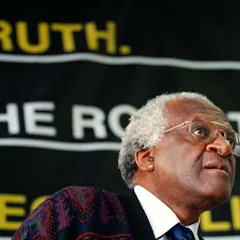
Inquests into atrocities committed under apartheid are important because many South Africans are beginning to question whether justice was done under the country’s truth and reconciliation process.
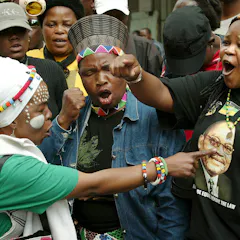
South Africa has changed since Jacob Zuma’s 2006 rape trial. In recent years, a new and assertive feminist movement has emerged and attacks on the president have become common cause.
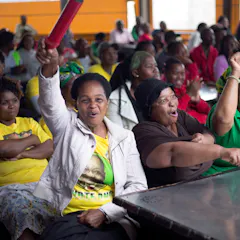
Unless parliament passes a motion of no confidence in him, which is not on the cards any time soon, Zuma’s future depends on whether he’s weakened in the African National Congress, not parliament.
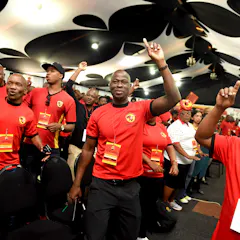
South Africa’s newest trade union federation, Saftu, comes at a time of declining political influence by unions, compared to during the struggle against apartheid. They are also seen as elitist.
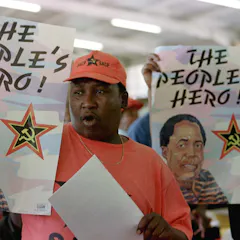
The name of ANC struggle hero Chris Hani, who was assassinated in 1993, is regularly invoked to win political arguments in South Africa.
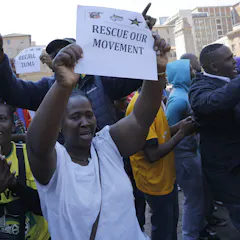
There are early signs of the emergence of a third force for good in South Africa in the likes of the Save SA movement and Socio-Economic Future of South Africa convened by the Archbishop of Cape Town.
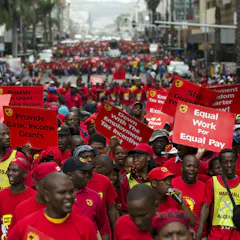
South Africa’s problem is that its constitution is a perfect brochure of the nation it aspires to be. But the contractors entrusted with its future have an entirely different project in mind.
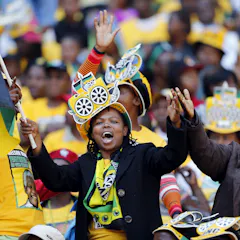
Pundits will closely watch President Jacob Zuma’s January 8 statement to see what he and the governing ANC consider to be priorities for the country in 2016.
Top contributors
-

Senior Lecturer (Radical Humanities Laboratory, University College Cork), University College Cork
-
Professor in Political Science, University of South Africa
-
Professor of Political Studies, University of Johannesburg
-
Full time faculty, Gordon Institute of Business Science, University of Pretoria
-
Political Scientist, University of the Western Cape
-
Visiting Professor at the Business School, University of the Witwatersrand
-
Associate Professor, Department of International Relations, University of the Witwatersrand
-
Researcher and founder member of the History Workshop, University of the Witwatersrand
-
Deputy Vice-Chancellor: Research and Internationalisation, University of the Free State
-
Research Professor, UFS History Department, University of the Free State
-
Senior Lecturer, Department of Historical and Heritage Studies, University of Pretoria
-
Emeritus Professor of Peace and Conflict Studies, University of Limerick
-
Canada150 Research Chair in Gender and African Politics and Visiting Professor, WiSER Wits University, Carleton University
-
Postdoctoral Fellow in History, University of the Free State
-
Distinguished Reserach Professor, Southern Centre for Inequality Studies, University of the Witwatersrand