

Sometimes they hear they’re supposed to stay active and engaged. Other times they’re vilified for holding on to power too long. It’s all made ‘knowing when it’s time’ a whole lot harder.
Articles on Social safety net
Displaying all articles

A combination of Colorado state tax credits for low-income families is predicted to lift more than 50,000 children out of poverty.

Rural hospitals have been closing, putting emergency care further out of reach, but that’s only one of the heightened challenges aging rural communities face after a disaster.

The stigma around poverty and government benefits can make those initiatives less effective.
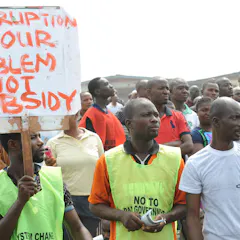
Fuel subsidy removal can benefit workers and poor Nigerians, if the process is carefully managed and implemented.

Andrea Magalhaes hasn’t demanded vengeance since her son was murdered — she’s called for expanding the social safety net to address the root causes of crime. Public officials should listen to her.
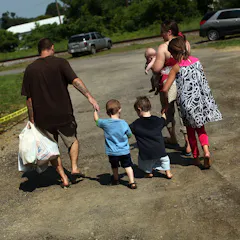
The 2021 child tax credit expansion helped lift millions of families with children out of hunger. After those payments ended in December 2021, those families may again face food insufficiency.

Southern California is on the front line of climate change, and recent survey data shows that residents are feeling its effects in many ways.

The health harms of pandemic-driven mass unemployment will persist for decades, even after people find new jobs.

States led by Republican governors generally had higher COVID-19 case and death rates in 2020.
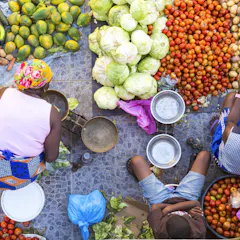
The fact that there’s a growing number of child vendors means government interventions for vulnerable children aren’t reaching everyone in need.

Food insecurity is income insecurity. After COVID-19, we must no longer tolerate the inequities of corporate charity and the stigma associated with relying on society’s leftovers for those in need.

The relative success of the CERB during the pandemic shows the time is finally right for a permanent basic annual income program.

The stories people tell about welfare rarely match up with the stories told by people actually receiving aid.

A loose patchwork of measures and systems has left millions at risk of slipping through the cracks as the pandemic’s economic downturn hits.
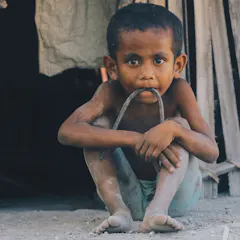
Bappenas conducted a simulation to predict how COVID-19 will impact poverty in Indonesia. Without intervention, the pandemic will drag at least 3.6 million Indonesians into poverty by the end of 2020.
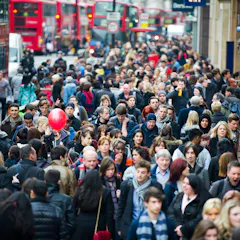
If the government seeks to reduce its massive deficit by cutting public spending after the pandemic subsides, this will burden the poor and public sector workers, increasing inequality.
Top contributors
-

Associate Professor of Health Law, Policy and Management, Boston University
-
Director for Poverty Alleviation and Development of Social Welfare, National Development Planning Agency (BAPPENAS)
-
Professor of Development Economics, Monash University
-
Professor of Economics & Business, Allegheny College
-
Emeritus Professor of Social Work, University of British Columbia
-
Associate Professor, Department of Sociology & Legal Studies, University of Waterloo
-
Professor of Political Science and Economics, Binghamton University, State University of New York
-
Associate Professor of Public Policy and Management, Harvard Kennedy School
-
Associate Professor of Economics, University of Manitoba
-
Early Career Researcher in the Sociology of Child Welfare in Africa, Lingnan University
-
Professor of Sociology, University of Michigan
-
Professor of Sociology and Statistics, University of California, Los Angeles
-
Planner at Directorate of Poverty Reduction and Social Welfare, National Development Planning Agency (BAPPENAS)
-
Professor of Anthropology and Folklore, Butler University
-
Sociologist, USC Dornsife College of Letters, Arts and Sciences