
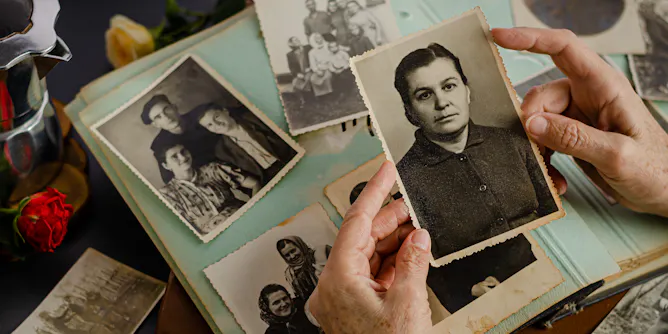
Understanding how our ancestors may have benefited from industrialisation and colonialism could help us become more climate-friendly citizens.
Articles on Slave trade
Displaying 21 - 40 of 49 articles
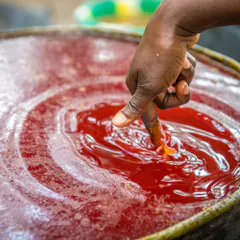
Palm oil is one of the 21st century’s most contentious agricultural commodities, but its relationship with humans goes back thousands of years.
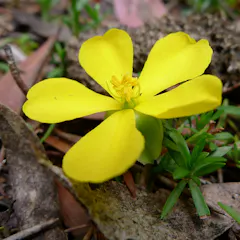
One of Australia’s largest groups of flower species is named after a wealthy British slave-trader. And Nazi memorabilia collectors have almost sent “Hitler’s beetle” extinct. It’s time for a change.
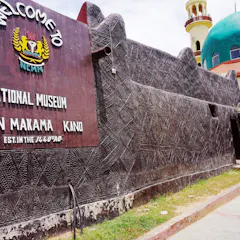
Nigerian museums continue to present colonised versions of history. This harms local communities.
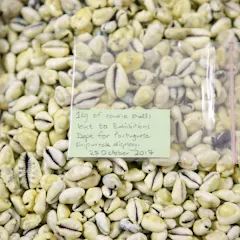
Money cowries were used for thousands of years as currency across the Indo-Pacific world but introduced into Atlantic commercial networks relatively late.
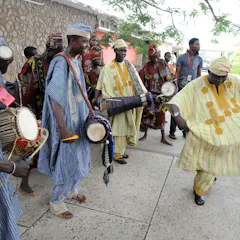
By providing insights from different disciplines, a new book uncovers new themes in the history of Yoruba people of West Africa
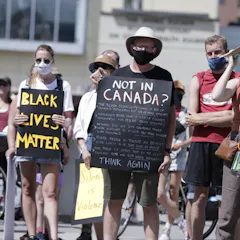
The Canadian response to racism south of the border can be described as an Americanization of Canadian history.
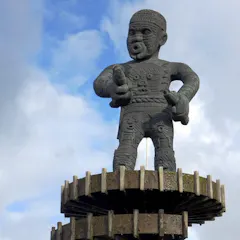
The slave revolt in Berbice, modern-day Guyana, was unusual for its length and near success. So why are so few of the revolt’s documents in the Caribbean nation’s archives?
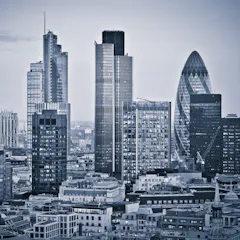
Slave traders transformed human lives into profit-bearing opportunities – just like modern finance.
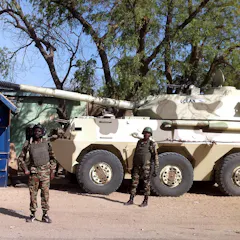
Cameroon’s anglophone crisis is not simply a dispute between two feuding groups: a range of international actors have been architects of the current situation.
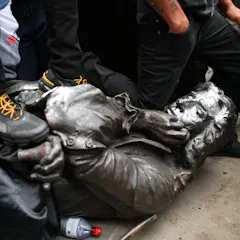
The statue was part of a push in the Victorian era to create mercantile heroes. Colston’s slaving activities were conveniently glossed over.
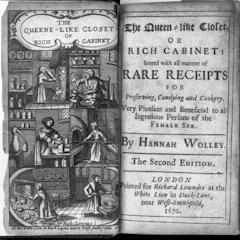
The story of the growth of Britain’s sugar trade can tell us a lot about the development of capitalism and the slave trade.
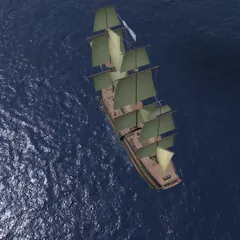
If you want to know the extent of the slave trade from Liverpool, use the tools in this article.

Centuries’ worth of important information is stored on paper – which can decay, burn or get eaten by pests. Peek inside the process of making all that data digital.
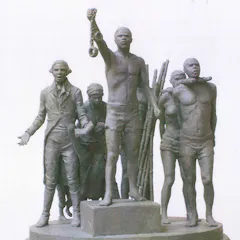
Despite the millions used in the transatlantic slave trade and Britain benefitting from their forced labour, a national memorial is proving difficult.

Pope Francis recently completed a tour of three African nations. His visit needs to be understood in the context of the church’s long history in Africa and its modern-day difficulties.
A historian says that critics get the past wrong.

Book adds a great deal to our understanding of how children were ensnared into the Indian Ocean slave trade.

Merchants from Brazil, Cuba, North America and the British West Indies traded goods grown by slaves on plantations, for more slaves.
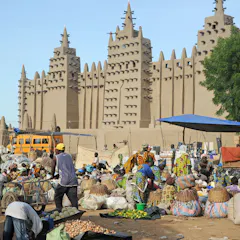
West Africa has lessons to learn from its ancient empires and colonial governments on regional trade and integration.
Top contributors
-

Visiting Scholar, University of California, Berkeley
-
Professor of Geography, University of New Mexico
-
Professor of Contemporary Slavery, University of Hull
-
Teaching Fellow, University of Birmingham
-
Emeritus Professor, University of Basel
-
Lecturer in Portuguese Studies, University of Cambridge
-
Associate professor, University of Bradford
-
Reader in Economics, University of Westminster
-
Postdoctoral Fellow in History, Vanderbilt University
-
Paul and Charlene Jones Chair in Law, University of Alabama
-
Professor of Historical Geography, University of Sussex
-
Professor of History, University of Essex
-
Senior Lecturer (Development Economics/Project Appraisal), University of Bradford
-
Reader in Historical Geography, UCL
-
Professor of Latin American History, University of Leeds