
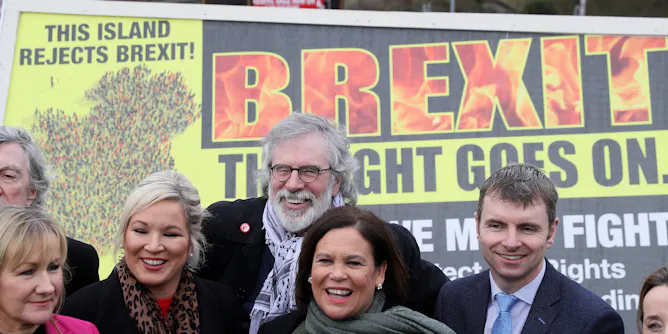
How Sinn Féin’s position on the EU has shifted.
Articles on Sinn Fein
Displaying 21 - 40 of 67 articles
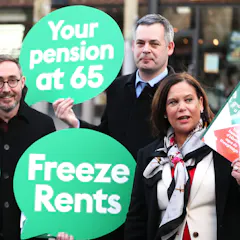
A short history of Ireland’s political economy explains Sinn Fein’s surge in popularity.
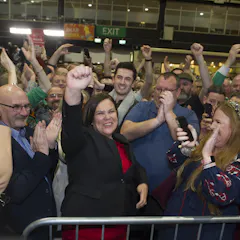
Why left-wing nationalist party Sinn Féin topped the popular vote in the Irish election.
The contests in this part of the UK are so unique that they are rarely included in national polling. And this year is no exception.
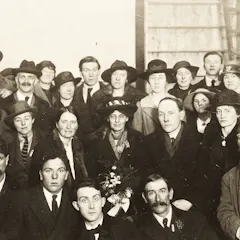
Irish Republican, socialist, suffragette and revolutionary, Countess Constance Markievicz was a fearsome politician who was the true first female member of the British parliament.
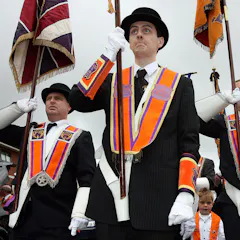
Many voters in Northern Ireland are tired of the sectarian stranglehold of Sinn Fein and the DUP – and the ‘others’ are gaining ground.
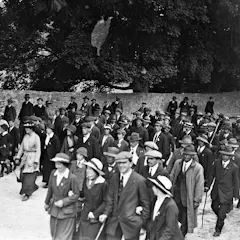
New research reveals that changes in attitudes led to Sinn Féin’s landslide victory – not the new surge of young voters.
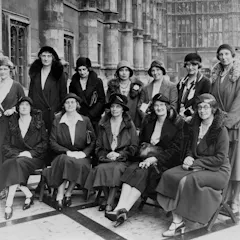
It’s 100 years since women won the right to be MPs, but what was Parliament like for women back then?
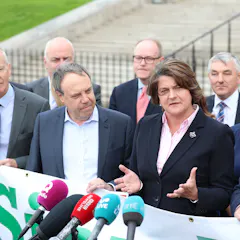
Belgium held the previous record with 541 days without a government. What’s holding up power-sharing?
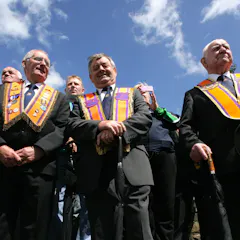
The only way forward is a more inclusive unionism that reflects the diverse and multicultural nature of the UK.
CC BY-ND65.5 MB (download)
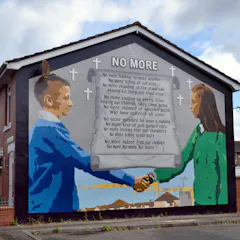
To mark the 20th anniversary of the agreement that brought peace to Northern Ireland, this episode of the podcast looks at its history, its legacy and the impact of Brexit on its future.
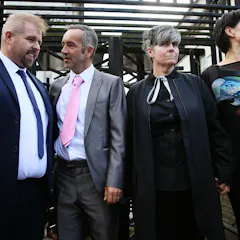
A judge in Belfast has dismissed a challenge to Northern Ireland’s ban on same-sex marriage citing it as a ‘social policy’ issue.

The Good Friday Agreement’s UN treaty status means that any compromise of the rigorous impartiality it demands of the Government could be legally challenged
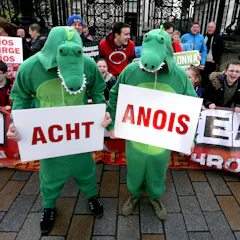
The issue of an Irish Language Act has been a sticking point at Stormont.
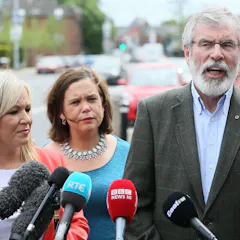
The Irish nationalists now have seven MPs but they have historically refused to attend the Westminster parliament.
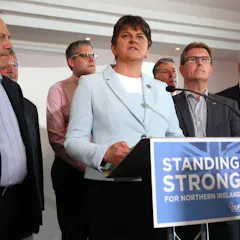
A deal could have huge implications for Brexit and politics in Northern Ireland.
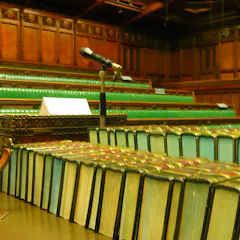
The Irish republicans stand for parliament but don’t attend when they win. It’s high time that changed.

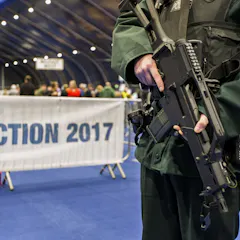
The two main parties in Stormont still haven’t reached a power-sharing deal, and a national vote is unlikely to help matters.
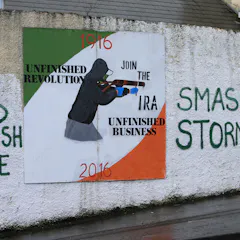
Violent dissident republicanism is still making its presence felt.
Time is running out for a compromise agreement between the two main parties at Stormont.
Top contributors
-

Lecturer in Politics, Queen's University Belfast
-
Senior Lecturer in Politics, University of Bristol
-
School of History, Anthropology, Philosohy and Politics, Queen's University Belfast
-
Professor of International Conflict Analysis, School of Politics and International Relations, University of Kent
-
Director of Terrorism and Extremism Research Centre, University of East London
-
Marie Curie Research Fellow, University of Liverpool
-
Research Fellow, Department of Politics, University of Liverpool
-
Lecturer, Northumbria University, Newcastle
-
Professor of Constitutional Law, University of Edinburgh
-
Senior Lecturer in Modern Irish History, Queen's University Belfast
-
Lecturer, School of History, Anthropology, Philosophy and Politics, Queen's University Belfast
-
Associate Professor, Conflict Resolution and Reconciliation, Trinity College Dublin
-
Professor in the Department of Economics, UCL
-
Lecturer in Sociology, Ulster University
-
Lecturer in Comparative Politics, University of Bath