
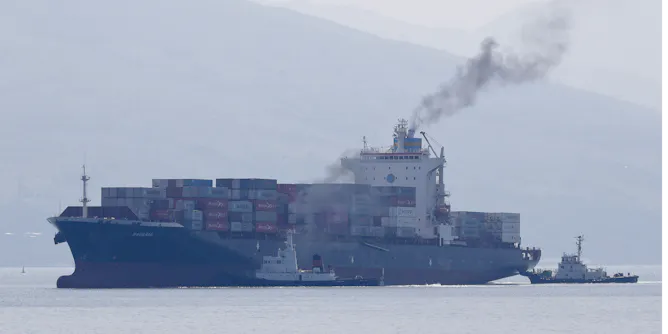
Growing ship numbers and reductions in the industry’s total emissions add up to big emission cuts per ship – as much as 60% by 2030 and 91% by 2040. The days of fossil-fuelled ships are now numbered.
Articles on Shipping pollution
Displaying all articles
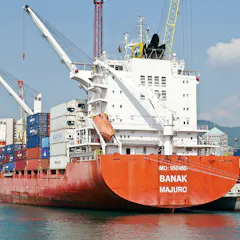
Rising sea levels threaten the low-lying island nation with the world’s third-largest shipping register. That’s why it’s leading efforts to cut shipping emissions in an equitable way.
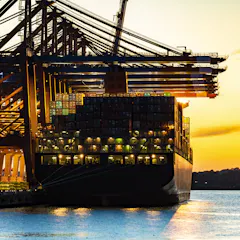
Shipping companies have billions invested in fleets that were built to last decades. Now, the US is calling for zero emissions by 2050, and the EU is raising the cost of fossil fuel use.
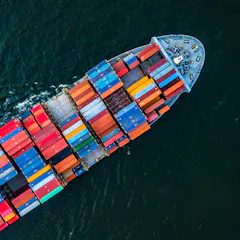
It’s high time the international shipping industry radically curbed its emissions. The industry must set a net-zero target and adopt a realistic plan to meet it.

Making ammonia produces almost 2% of global carbon dioxide emissions.
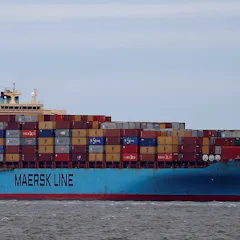
Carbon emissions from maritime freight are everyone’s problem because of climate change.
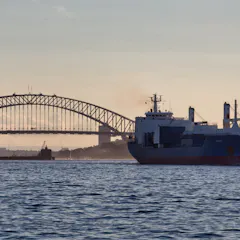
Until now, the international shipping industry has been excluded from the Paris Agreement and the Kyoto Protocol, despite its major contribution to global emissions.
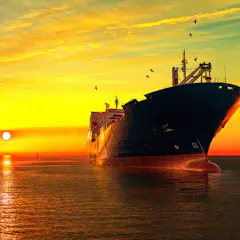
A shipping industry summit is exploring routes to a greener future.
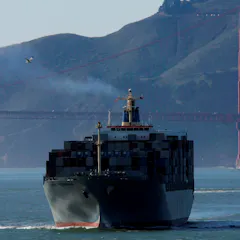
The maritime pollution that drifts to dry land, causes an estimated 400,000 premature deaths and 14 million cases of childhood asthma each year.
Top contributors
-

Senior Lecturer in Culture & Climate, The University of Melbourne
-
Senior Lecturer in Climate Change Mitigation, University of Manchester
-
GDP Center Administrator, Boston University
-
Professor of Chemistry, University of Oxford
-
Research Fellow in Energy and Transport Policy, UCL
-
Lecturer, Western Sydney University
-
Professor, University of Delaware
-
Professor of Public Policy and Dean of the College of Liberal Arts, Rochester Institute of Technology
-
Director, Asia Pacific Centre for Environmental Law, National University of Singapore
-
Associate Professor of Business, University of Tennessee
-
Associate Professor in the Frederick S Pardee School of Global Studies, Boston University
-
Reader in Energy and Transport, UCL