

In interviews, female teachers at three all-boy schools in three capital cities have disclosed instances of sexism from students, male colleagues and parents.
Articles on Sexual harassment
Displaying 121 - 140 of 341 articles
The male privilege in Australia’s parliament has given its members such a sense of exceptionalism, they think the standards of the corporate office should not apply to their workplace.

New research sheds light on why sexual misconduct and bullying is so common in political offices and why political staffers have few options to hold those in power to account.

Musical and vocational training must move beyond making students ready for work — they must also be empowered to deal with an industry overdue for reform.

Previous enquiries into inappropriate behaviour have painted a concerning picture.

Sexual harassment on campus often casts students as targets of their instructors. Researchers have found that it happens the other way around, too.
Australia lacks standalone hazing legislation that clearly makes it the responsibility of universities, but courts here and overseas are increasingly likely to find them liable for the harm done.

Tinder and similar apps fail to properly address issues of online harm. A lack of policy is to blame, as well as app design features and society’s general attitudes towards more minor cases of abuse.

A cultural change is needed in the defence force to break the “code of silence” that still exists about sexual abuse and harassment in the ranks.

Former Commonwealth Bank chief David Murray promised to restore AMP’s reputation. He was never the right executive for the job.
An analysis of thousands of tweets show the obstacles that hinder people from reporting sexual assault and harassment on campus.
The Gender Equality Act in Victoria creates an obligation to understand how gender affects needs and experiences, and to design, assess and manage public spaces so women feel safe in those places.
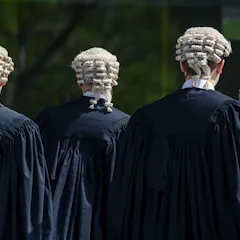
The law has a serious problem with sexual harassment and woefully inadequate measures for dealing with it. Here’s how that could change.

In an open letter to Attorney-General Christian Porter, more than 500 women working in the law from across Australia have sought changes to the way judges are disciplined and appointed.
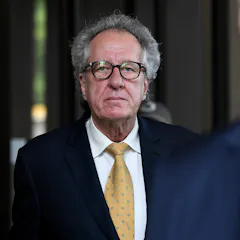
The Federal Court decision wasn’t a surprise but raises questions about the way we handle sexual harassment in the legal system.
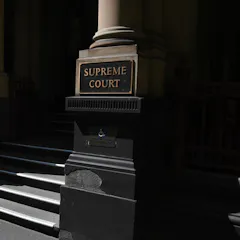
In the wake of the allegations about Dyson Heydon, a key outstanding question is reforming Australia’s opaque judicial appointments system.

We have strong sexual harassment laws on paper. But there is too much emphasis on victims coming forward and making a complaint.

The culture of the legal profession has been built by men for men over centuries. It continues to rely heavily on personal networks that reinforce the status quo.

There is a vacuum within the legal profession that allows sexist, racist and other troubling conduct to go unaddressed. This must change.

Sexual harassment is endemic within the law. This inquiry’s finding must be the catalyst for genuine and long overdue change in the profession.
Top contributors
-

Professor of Law, University of Oregon
-
Associate Professor in Criminology, The University of Melbourne
-
Professor of Family and Sexual Violence, RMIT University
-
Professorial Fellow, University of Canberra
-
Director, XYX Lab, and Professor, Faculty of Art, Design and Architecture, Monash University
-
Lecturer in Journalism, City St George's, University of London
-
Associate Professor, Faculty of Law, University of Technology Sydney
-
Canada Research Chair in Inequality and Gender, Western University
-
University Diversity and Social Transformation Professor of Psychology, Women's & Gender Studies, and Management & Organizations, University of Michigan
-
Professor of Global & Language Studies, RMIT University
-
Professor in Criminal Law, Durham University
-
Albert E. Kent Professor of Psychiatry, Yale University
-
Honorary Research Fellow, The University of Melbourne
-
Lecturer in Criminology, University of Plymouth
-
Professor of Work and Organisation, Queensland University of Technology