

This article sketches out a critique of self-improvement through “kaizen,” a practice of continuous improvement that the YouTuber Inoxtag uses.
Articles on sensationalism
Displaying all articles

Recent headlines around the supposed impending collapse of the Atlantic currents remind us of the importance of avoiding sensationalism in facing global warming.
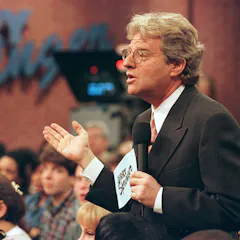
In the competitive media landscape of the early 1990s, seizing audience attention was a priority. What better way to do it than with a cheaply produced show that appealed to viewers’ basest instincts?
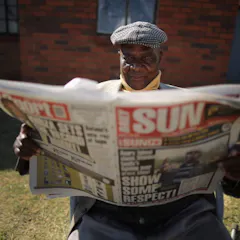
The newspaper confounded critics with its contextually relevant and informative stories.

The explosive viral spread of the grainy but dramatic footage shows the limits of mainstream media ethics.

Kenyan families with access to mass media are significantly more afraid of terrorism than those without access.

Sensationalism is ingrained in any conversation about abortion because the issue has long stood in for the country’s deepest fears.

The majority of front page reports were negative in tone, seeing very little possibility for individual agency and self-efficacy. This can amplify public anxiety and fear.

In The Meddler, Australian documentarians follow an unassuming mechanic in Guatemala City as he prowls the streets with a camera trying to capture footage of crimes and dead bodies.

Now more than ever, the media should inform, not inflame.

Sensationalist media coverage of the novel coronavirus risks spreading fear rather than keeping the public informed.
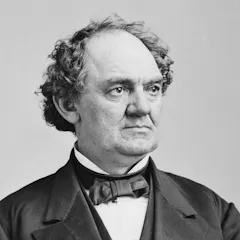
The new movie about P.T. Barnum couldn’t come at a better time: It’s impossible not to see his ghost in our culture, in our advertisements and in our president.

The reporting of the Marikana massacre was characterised by embedded journalism, sensationalism and polarisation of views. The media became a loudspeaker for powerful political and economic interests.
Top contributors
-

Professor in Media Studies and Production, University of Cape Town
-
Professor and Chair, Department of Journalism, Stellenbosch University
-
Associate Professor of Communication, Lesley University
-
Lecturer, Lancaster University
-
Associate researcher, University of the Witwatersrand
-
Associate Professor of English, University of Alabama at Birmingham
-
Associate professor, University of Cape Town
-
Lecturer in Communications and Media, University of Notre Dame Australia
-
Professor, School of Earth and Ocean Sciences, University of Victoria
-
Vice Chancellors Chair Australian/Indigenous Belonging, Charles Sturt University
-
Senior Lecturer and Deputy Head of School, Rhodes University
-
Professor, School of Journalism, Media and Culture; University Dean of Research Environment and Culture, Cardiff University
-
Assistant Professor, Bocconi University
-
Emeritus Professor of Theater, Texas A&M University
-
Professeur en intervention et communication organisationnelle, Université du Québec à Montréal (UQAM)