Articles on Senate confirmation

Displaying all articles

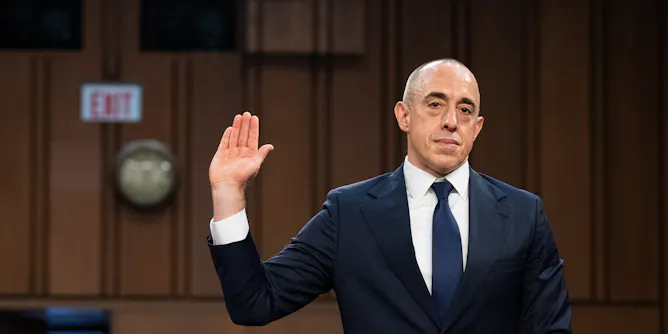
Emil Bove, Donald Trump’s nominee to serve as a federal appeals judge for the 3rd Circuit, is sworn in during a confirmation hearing in Washington, D.C., on June 25, 2025. Bill Clark/CQ-Roll Call, Inc, via Getty Images

Emil Bove confirmed – his appeals court nomination echoed earlier controversies, but with a key difference

Contested nominations to the federal courts often involve ideological concerns. But a scholar of the courts says the contentious nomination of a former lawyer for Donald Trump was different.
Clarence Thomas shakes hands with Joe Biden, then-chairman of the Senate Judiciary Committee, before Thomas’ Sept. 10, 1991, confirmation hearing to be an associate justice of the Supreme Court. Arnie Sachs/CNP/Getty Images

Joe Biden leaves a complicated legacy on the federal courts

Joe Biden’s imprint on the federal judiciary goes far beyond his naming of the first Black woman justice to the Supreme Court.
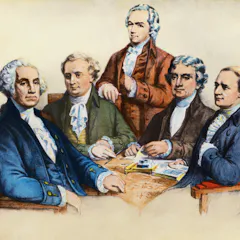
President George Washington, left, and his Cabinet: Henry Knox, secretary of war; Alexander Hamilton, secretary of the Treasury; Thomas Jefferson, secretary of state; and Edmund Randolph, attorney general. Currier and Ives/Bettmann - Getty Images

When presidents would send handwritten lists of their nominees to the Senate, things were a lot different

The US now faces the likelihood of a bruising and raucous set of confirmation hearings − a clear break from the cooperative system the founders established.
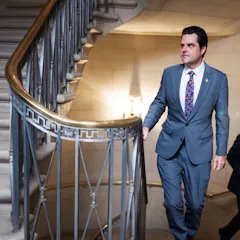
Will Trump nominee Matt Gaetz be able to ascend to the top position at the Justice Department? Tom Williams/CQ-Roll Call, Inc via Getty Images

Why does the Senate confirm Trump’s picks for key posts — and how? A legal scholar explains the confirmation process and the ‘constitutional loophole’ of recess appointments

Senators have the power to approve or reject a president’s cabinet nominees. A loophole allows presidents to do an end run around the Senate – but Senate leaders have to agree to it.

Top contributors