

A growing number of Australians are self-managing their superannuation. A new report suggests some may be getting advice that’s not in their best interest.
Articles on Self-managed super funds
Displaying all articles
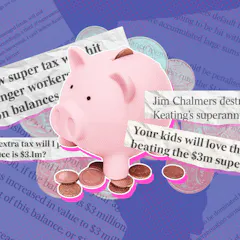
Rather than being the biggest losers from super tax rates not being indexed to inflation, younger Australians are the biggest beneficiaries.
Self-managed super funds will bear the brunt of new proposals to tax unrealised capital gains.

Principles could centre on helping members manage their money in retirement, ensuring fairness across the system, and requiring funds to maintain an active duty of care to members.

It is normally a bad idea to let super funds borrow, but these aren’t normal times. There’s a (limited) case for allowing them to borrow from the Reserve Bank.
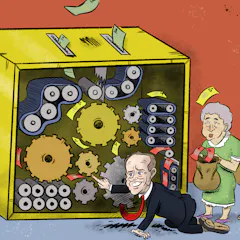
If you can understand this, you might just understand the election. Here’s our quick guide to the language of dividend imputation.
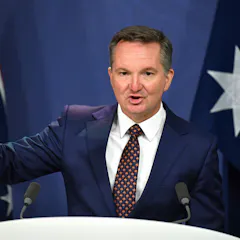
Scrapping cash refunds on dividends could make the tax system fairer. But super funds could invest less in Australian companies.

Self-Managed Superannuation Funds (SMSFs) are the fastest growing sector of the superannuation industry, spiking by 33% between 2008 and 2012, putting them in the sights of both the super industry and…

Self managed superannuation funds (SMSFs) have come under criticism from regulators amid concerns that the sector is over-investing in the residential property sector. The profession has hit back at the…

In opening the Australian Securities and Investment Commission (ASIC) forum this week, chairman Greg Medcraft pulled no punches. “Manufacturers [i.e. banks and financial institutions] - and, frankly, this…
Top contributors
-

Adjunct Professor, Curtin Law School and Curtin Business School, Curtin University
-
Program Director, Housing and Economic Security, Grattan Institute
-
Senior Lecturer, Finance and Financial Planning, Griffith University
-
Visiting Fellow, Crawford School of Public Policy, Australian National University
-
Chief executive officer, Grattan Institute
-
Emeritus Professor of Finance, The University of Melbourne
-
Associate Professor, College of Business and Economics, Australian National University
-
Professiorial Fellow, The University of Melbourne
-
Professor of Law (consumer protections and credit law), The University of Melbourne
-
Associate Professor of Economics, University of Sydney
-
Deputy Program Director, Housing and Economic Security, Grattan Institute
-
Lecturer in Accounting, The University of Queensland
-
Visiting Fellow, Macquarie University Applied Finance Centre, Macquarie University
-
Senior Lecturer, UNSW