
Analysing over 25 years of VCE lists revealed a rising proportion of works addressing social justice, identity, postcolonial perspectives and environmental themes.
Articles on School curricula
Displaying all articles
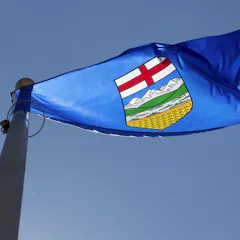
Alberta’s new social studies curriculum misses the mark on child development, lacks adequate opportunities for critical thinking and neglects teaching about colonization.
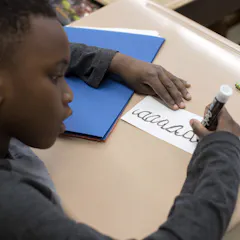
Developmentally progressive instruction allows children to learn handwriting. An open-educational resource by literacy and writing experts supports instruction for kindergarten to Grade 3 children.
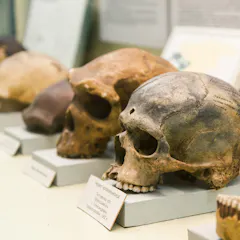
There are areas of biology that may be considered optional at younger year levels, such as botany, entomology and marine ecosystems. Evolution is not one of these.
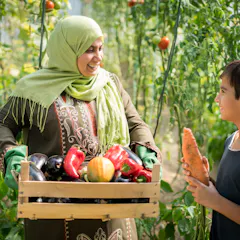
Though entrepreneurship of any kind is not easy, it can instil tenacity in the face of adversity. There are lessons here for trainee teachers.
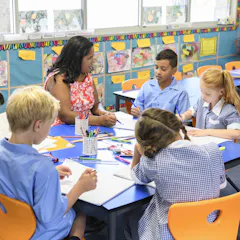
Prime Minister Anthony Albanese stated students should learn about the atrocities suffered by Indigenous people. However, appropriately teaching history is only one area that needs to be addressed.
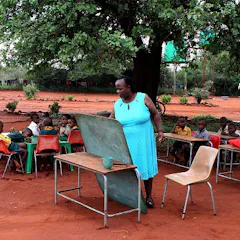
South Africa has no comprehensive national media literacy programme. Often it comes down to individual teachers and schools to make learners more media literate.
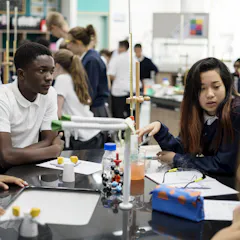
Researchers argue that because all learning involves language, language and literacy should be taught explicitly across all school subjects. Language must be understood and learned in context.

If federal and provincial governments don’t step up their commitments to teaching citizens how our governments work, social media will continue to fill in the void with misinformation.
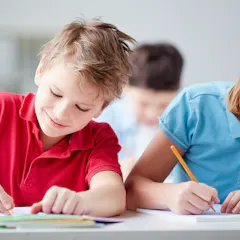
New research shows that extra-curricular activities do more to help close the attainment gap between richer and poorer pupils than nebulous lessons in ‘character’.
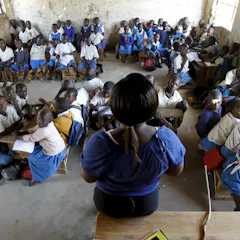
The impact of peace education or human rights courses ultimately depends on how teachers – who may not be neutral – implement them.
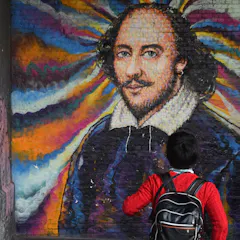
Most other African countries have a less fractious or problematic relationship to Shakespeare than South Africa does.

So-called ‘soft skills’ – including interpersonal skills, critical thinking and relationship-building – are rated as being important across all jobs and industries.
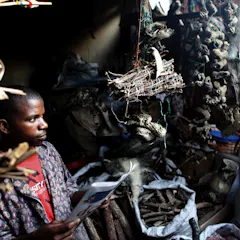
There are valuable and authentic wisdom traditions in all cultures. How can indigenous knowledge be woven into the existing science curriculum?
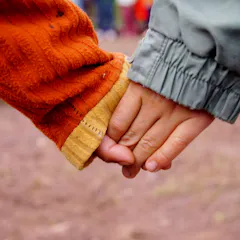
Developing friendships in classrooms is important for kids. How can teachers help?
Top contributors
-

Research associate professor, University of the Witwatersrand
-
Professor, KU Leuven
-
Associate professor, University of the Witwatersrand
-
Assistant Professor of Education, University of Vermont
-
Associate Professor of Organisational Behaviour, Bond Business School, Bond University
-
Professor of Special Education and Department Head, University of Illinois Urbana-Champaign
-
Instructor in Political Science, Carleton University
-
2024 ACSES First Nations Fellow, Senior Lecturer in Indigenous Knowledges, Charles Darwin University
-
Senior Lecturer: Language and Literacy Education, Macquarie University
-
Lecturer in Journalism and Global Communication, University of Sheffield; Independent Social Research Foundation
-
Werklund Research Professor of Education, University of Calgary
-
Pedagogic coach.
-
Associate professor, Cape Peninsula University of Technology
-
Professor, Werklund School of Education, University of Calgary
-
Senior Lecturer in Philosophy and Education; Curriculum Director, UQ Critical Thinking Project, The University of Queensland