
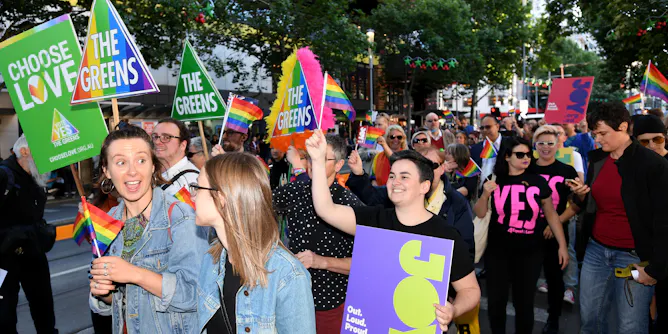
Our new study is a reminder of how stigma and the stress that comes with it can have long-term consequences for people’s health.
Articles on Same-sex marriage plebiscite
Displaying 1 - 20 of 110 articles
In order to combat racism and misinformation, it is vital for non-Indigenous people to have informed conversations about the referendum with those around you.

A celebration of life, love and resilience, The Rise and Fall of Saint George is a restorative experience.
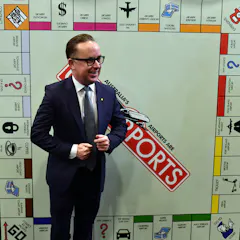
The phoney debate about corporate activism distracts from the need for a debate about inequality.
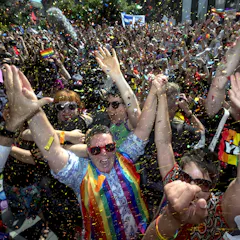
Given that only 20 years ago Tasmania decriminalised male homosexuality, the same-sex marriage survey result represents an extraordinary change. But there is still work to be done.
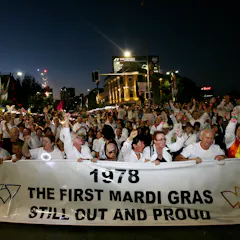
When it comes to same-sex marriage, there’s a big gap in support between old and young gay men. Older gay men often see marriage as conservative, and fear marriage will create a “gold standard” for gay relationships.
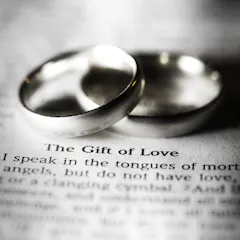
Even if secular law changes to allow same-sex couples to marry, churches are protected by religious freedom to choose who they will - or will not - marry.
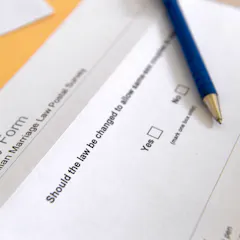
Most people have probably already made up their mind which way to vote in the same sex marriage postal survey. But the recent SMS campaign may distract some from even voting.
There is a strong and statistically significant association between respondents’ cognitive ability and their support for equal rights between same- and different-sex couples.

The history of widespread advocacy campaigns shows that the ‘No’ campaign has many unfair advantages in the marriage equality debate.
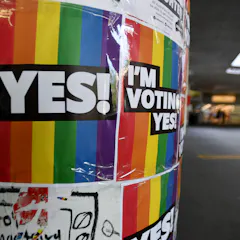
To find the government’s postal plebiscite on same-sex marriage valid, the High Court had to work through several quite technical constitutional and legal arguments.
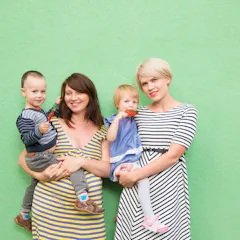
Discussing his opposition to same-sex marriage, Liberal MP Kevin Andrews said children who are brought up with a mother and father are ‘better off than those who are not’. Let’s look at the research.
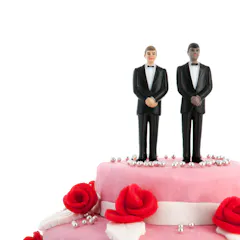
Conscience protections for those opposed to same-sex marriage should not be seen as excusing bigotry. Rather, it is a legitimate means of best promoting everyone’s welfare.
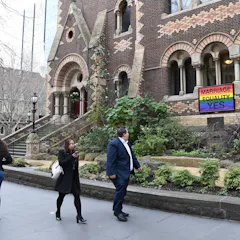
HILDA data reveal an overwhelming tide of support toward the rights of same-sex couples within Australian society.

We need to get beyond hyperbole and half-truths from those both for and against marriage equality, and go back to basics.

A ‘No’ result in the postal ballot would leave a running sore that would further reduce Malcolm Turnbull’s diminished authority.
Social conservatism among many ethnic communities will be a key factor in deciding the result of the upcoming same-sex marriage survey.
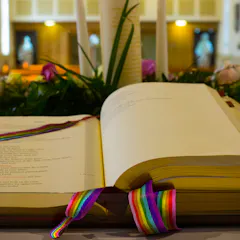
For Christian groups to claim the Bible speaks against same-sex marriage is simply a misreading of biblical values.
The majority of academic research is either non-committal or in favour of the benefits afforded by legalising same-sex marriage.
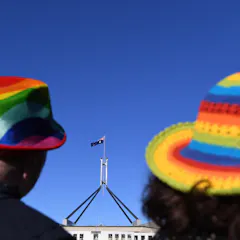
Australians will be asked to complete a voluntary, non-binding postal vote on marriage reform. Wouldn’t it be easier - and cheaper - to do a sample survey instead?
Top contributors
-

Professorial Fellow, University of Canberra
-
Professor of Human Rights Law, Monash University
-
Dennis Altman is a Friend of The Conversation.
Vice Chancellor's Fellow and Professorial Fellow, Institute for Human Security and Social Change, La Trobe University
-
ANU Law, Australian National University
-
Adjunct Professor, School of Government and International Relations, Griffith University
-
Associate Professor in Law and Public Policy, University of Oxford
-
Associate Professor, New Testament, & Inaugural Director of The Wesley Centre for Theology, Ethics, and Public Policy, University of Divinity
-
Associate Professor in History, La Trobe University
-
Professor of Law, The University of Queensland
-
Principal Research Fellow, Australian Research Centre in Sex, Health and Society, La Trobe University
-
Senior Lecturer in Law
-
Sarah Joseph is a Friend of The Conversation.
Professor of Human Rights Law, Griffith University
-
Professor of Constitutional Law, Monash University
-
Emeritus Professor of Sociology, University of Technology Sydney
-
Senior Lecturer in Constitutional Law, University College Cork