

Respiratory viruses are hitting young children and infants particularly hard this fall and winter season, and experts don’t yet know exactly why.
Articles on RSV
Displaying 41 - 51 of 51 articles
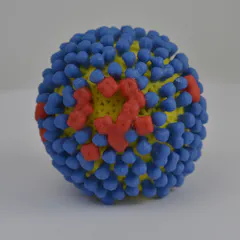
Flu and COVID-19 are expected to make headway during the current respiratory virus season. The best way to stay healthy is vaccination in conjunction with personal protective measures.

Cases of seasonal diseases may be higher due to a lack of exposure during the pandemic. Here are four graphs which give us some clues as to how things might play out.

Tens of thousands of children have tested positive for respiratory syncytial virus in the last months in what is the largest outbreak of the virus in recent years.

Whooping cough rates are the lowest they’ve been for years. But what comes next?

As international borders open, restrictions ease and we mingle with others, we can expect more germs to circulate.

COVID restrictions have prevented the spread of other respiratory viruses too. As these are lifted, the UK government has warned parents of a delayed surge in infections

Public health measures have helped control COVID-19 in Australia. But they’ve affected other winter viruses, too.

A drug called palivizumab can keep babies infected with respiratory syncytial virus (RSV) out of the hospital, but many Inuit babies, who have a higher risk of infection, are not getting it.
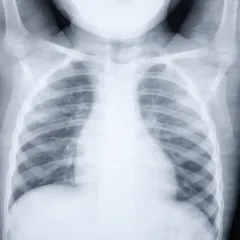
There have been many advances made in the prevention and treatment of pneumonia, but providing for people’s basic needs can help reduce the disease burden.
Researchers from Vanderbilt University have discovered a new method of vaccination where tiny gold particles target immune…
Top contributors
-

Adjunct Associate Professor of Epidemiology, University of California, Los Angeles
-
Professor of Infectious Diseases, Monash University
-
Paediatrician and Infectious Diseases Specialist; Clinical Researcher, University of Sydney
-
Paediatric Respiratory Physician, and Honorary Fellow Manager, Murdoch Children's Research Institute
-
Research Lead/Advanced Clinical Practitioner/Senior Research Fellow, University of Bradford
-
Associate Professor and Research Leader in Virology and Infectious Disease, Griffith University
-
Associate Professor of Pediatric Infectious Diseases, Baylor College of Medicine
-
General Practitioner, PhD Candidate, Bond University
-
Paediatrician, Infectious Diseases Physician and Clinical Microbiologist, The Kids Research Institute Australia, The University of Western Australia
-
Senior Research Officer, Murdoch Children's Research Institute
-
Professor of Health Service Operations, School of Pharmacy & Medical Sciences, University of Bradford
-
Professor of Nursing, Purdue University
-
Professor of Paediatrics and vaccinologist, Royal Childrens Hospital, University of Melbourne and Murdoch Childrens Research Institute (MCRI); Associate Dean International, University of Melbourne, Murdoch Children's Research Institute
-
Associate Professor of Paediatric Infectious Diseases, University of Southampton
-
Professor of Biostatistics and Epidemiology, Adelaide University