
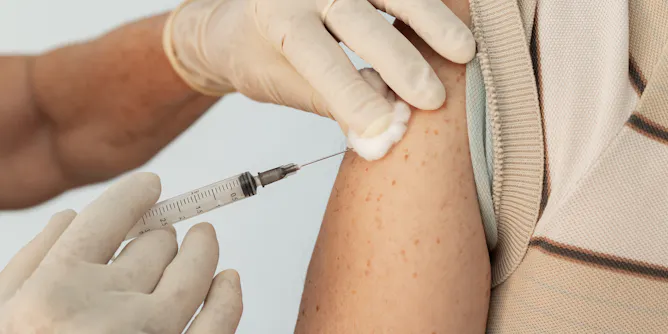
Newly approved and updated vaccines are the best tools available to combat COVID-19, the flu and RSV, as infections and hospitalizations tick upward and cold and flu season gets underway.
Articles on Respiratory syncytial virus
Displaying all articles

Nearly 100,000 US children under age 5 are hospitalized each year for an RSV infection.

Even otherwise healthy children can end up in hospital with this winter respiratory virus.
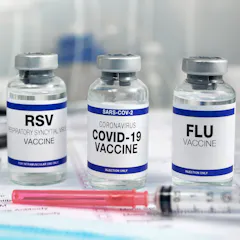
The newly approved RSV vaccine could be rolled out by fall 2023, in time for the typical winter surge in RSV infections.

The first vaccine against respiratory syncytial virus is 83% effective.

Similar to the patterns seen with COVID-19, flu and RSV, HMPV is making a comeback after years of being repressed by people wearing masks and social distancing.

Here’s why it’s taken so long to develop a vaccine for respiratory syncytial virus and what we can expect next.

While RSV can become severe for any child, it poses a particularly serious threat for the youngest babies and for high-risk children.
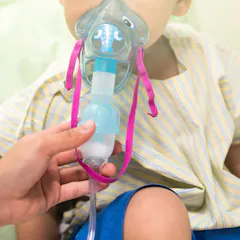
As visits to emergency departments surge — and in some cases overwhelm hospitals — here are answers to frequently asked questions about Respiratory syncytial virus (RSV).

Respiratory syncytial virus may be common, but it can lead to severe infection in some children.

Tens of thousands of children have tested positive for respiratory syncytial virus in the last months in what is the largest outbreak of the virus in recent years.

As international borders open, restrictions ease and we mingle with others, we can expect more germs to circulate.
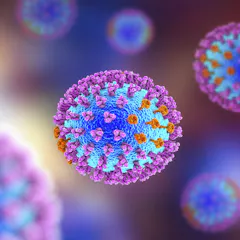
Two different respiratory viruses were found to swap proteins when they infected the same cell.

Getting rid of this scourge is nothing to be sneezed at.
Researchers from Vanderbilt University have discovered a new method of vaccination where tiny gold particles target immune…
Top contributors
-

Adjunct Associate Professor of Epidemiology, University of California, Los Angeles
-
Associate Professor of Pediatric Infectious Diseases, Baylor College of Medicine
-
Clinical Professor of Pharmacy Practice, University of Connecticut
-
Associate Professor and Research Leader in Virology and Infectious Disease, Griffith University
-
Associate Professor of Paediatric Infectious Diseases, University of Southampton
-
Senior Research Officer, Murdoch Children's Research Institute
-
Research Fellow, Institute for Glycomics, Griffith University
-
Professor of Nursing, Purdue University
-
Principal Lecturer, Microbiology and Biomedical Science Practice, Fellow of the Institute of Biomedical Science, University of Brighton
-
General Practitioner, PhD Candidate, Bond University
-
Associate Professor, Pediatric Infectious Diseases, University of Saskatchewan
-
Professor of Paediatrics and vaccinologist, Royal Childrens Hospital, University of Melbourne and Murdoch Childrens Research Institute (MCRI); Associate Dean International, University of Melbourne, Murdoch Children's Research Institute
-
Professor of Pediatrics, Microbiology and Molecular Genetics, University of Pittsburgh
-
Professor of Paediatric Immunology and Infectious Diseases, University of Southampton
-
Paediatric Respiratory Physician, and Honorary Fellow Manager, Murdoch Children's Research Institute