
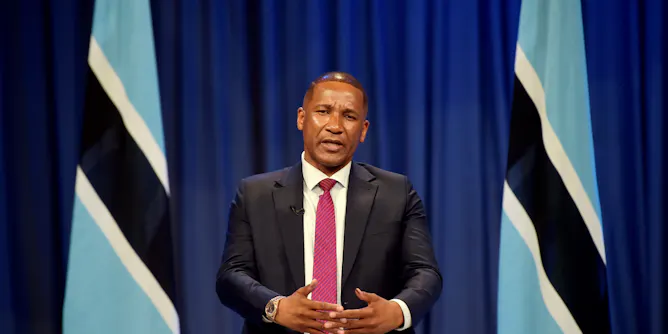
Botswana, a diamond-rich country of 2.5 million people, has high levels of poverty and unemployment.
Articles on Rogue spies
Displaying all articles

Having to account for spending on covert operations would make it more difficult for intelligence agencies to abuse their powers.

The fact that the presidency is attempting to get away with minimal regulation of bulk interception raises doubt about its commitment to ending intelligence abuse.

The justice ministry had more than enough time to make the law constitutional. Failure to do so is an indictment on its leadership in the process.
Having an intelligence service that is not fit for purpose means the country is vulnerable to security threats from within and outside the country.
The spy watchdog needs to make its findings on complaints against the country’s intelligence agencies public as a matter of principle.

The commission could have made more of the evidence and been more categorical about when it thought criminality had taken place.
The judge responsible for authorising the covert monitoring of communications has found that claims by journalists that they were being spied on were credible.

An uncomfortable reality is that looting is perceived by the looters to be socially acceptable and is often encouraged and endorsed within social and community networks.

Revelations show that the State Security Agency did little to safeguard the country and much to protect Zuma’s political faction and to funnel public money into private ends.
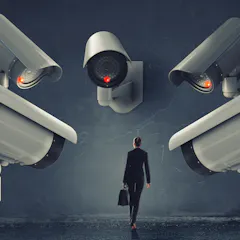
As CCTV cameras become more widespread, it’s becoming more difficult for people to protect their locational privacy in public.

South Africa’s intelligence services operate secretly and with minimal oversight. So citizens will probably never know exactly what they are up to.
