

In a systematic review of existing studies, researchers found that air pollution such as fine particulate matter can interfere with regions of the brain responsible for emotional regulation.
Articles on Research Brief
Displaying 361 - 380 of 636 articles

A type of computer chip that mimics both the skin and brain could pave the way for wearable devices that monitor and analyze health data using AI right on the body.

Researchers found that students are being judged by their race and gender, not how well they do math.
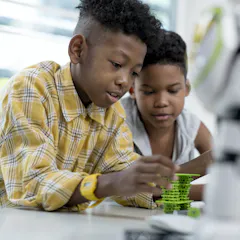
By kindergarten, white and Asian students are three to four times as likely as Black and Hispanic students to display advanced math skills.
Asking alumni to reflect on ‘a person or event in their past that had particularly benefited them since graduating’ resulted in larger gifts.

Researchers identified a connection between low levels of media literacy and COVID-19 vaccine hesitancy in people who consume their news via social media.

An analysis of hundreds of thousands of interactions on cable news programs shows that women interrupt more often than men – and it may be because they also have to fight for equal airtime.
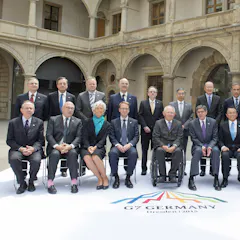
Men were significantly less likely to express confidence in the Federal Reserve and optimism about the economy when monetary policy information came from a woman versus a man.

The concentration of subsidized low-income housing developments isn’t as bad as residents fear: It actually increases property values – at a faster rate than other neighborhoods.

Health guidelines can feel contradictory and hard to interpret. But a new star rating system should help consumers and policymakers better parse the evidence behind health risks and outcomes.

Computer-based neural networks can learn to do tasks. A new type of material, called a mechanical neural network, applies similar ideas to a physical structure.

A study of what customers experience when they’re asked to chip in for a cause during checkout suggests that retailers should be careful about participating in these campaigns.

Understanding why people underpredict expenses could help them budget more accurately – and even encourage them to save more money.

In a new study, a single infusion of the antidepressant – along with repeated exposure to positive imagery – significantly reduced symptoms in depressed patients in a clinical trial.

Even when they offer similar listings, female hosts tend to charge less than their male counterparts.

A new study found that the device people used to communicate in a negotiation made a big difference in how likely they were to deceive for personal gain.

A new study provides the first glimpse into what happens in children’s brains as they meditate.

The common advice to let the other person talk more might backfire if you want to make a positive first impression.

College students who are focused on career goals and personal growth – and growth for others – tend to fare better academically, new research finds.

College students hit the hay earlier and sleep longer when they’re offered a modest monetary incentive. But can a little extra cash really make good sleeping habits last?
Top contributors
-

Assistant Professor of Psychology, Arizona State University
-
Director, Institute for Social and Health Equity, University at Albany, State University of New York
-
Distinguished Professor of Pharmacy Practice, University of Connecticut
-
Associate Professor of Nonprofit Studies, George Mason University
-
Assistant Professor of Social Psychology, University of Utah
-
Professor of Economics and Education Policy, New York University
-
Associate professor, Bowling Green State University
-
Associate Professor of Education, University of Southern California
-
Associate Professor of Mechanical, Aerospace and Biomedical Engineering, University of Tennessee
-
Ben L. Fryrear Chair in Marketing and Associate Professor of Business Administration, University of Pittsburgh
-
Professor of Communication, The Ohio State University
-
Associate Professor of International Business, University of South Carolina
-
Associate Professor of Communication, Michigan State University
-
Associate Professor of Quantitative Marketing and Analytics, Binghamton University, State University of New York; Indiana University
-
Senior Research Fellow and Lecturer of Gerontology, UMass Boston