
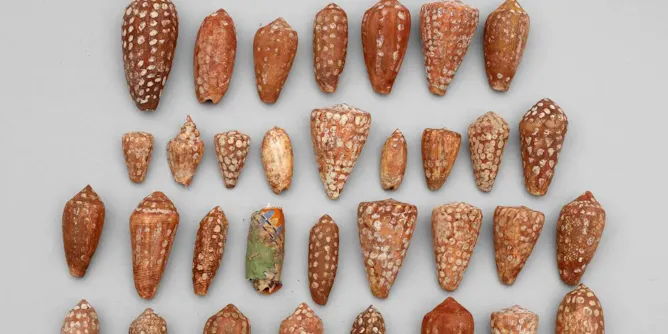
A focus on relationships is relatively new. But if museums are to remain relevant, trusted institutions they need to move beyond traditional models of authority.
Articles on Repatriation
Displaying 21 - 40 of 43 articles
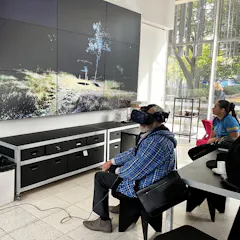
Olkola Traditional Owners are working with researchers to use digital technologies to see how story interweaves with Country. It also aims to bring Country to Olkola people who are unable to travel.
In 2021-22, nearly 16,000 Australians turned to an overseas mission for help in “crisis cases” – more than triple the number before the pandemic.
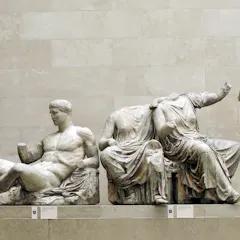
An international legal expert explains why the Greeks are right to be wary of the British Museum’s offer to loan them the Parthenon marbles.

Multinational enterprises are facing a high rate of repatriate turnover from employees returning back home from international assignments.

The British Museum appears close to a decision on returning the Elgin marbles – here’s how it might navigate the legal challenges.
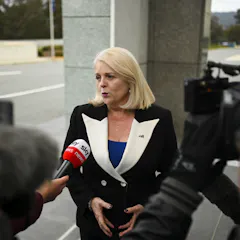
With Australians shocked by hackers starting to post Medibank data on the dark web, in this podcast Andrews calls on the health insurer to provide more information
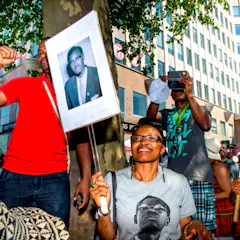
Lumumba’s death triggered students and created a generation of activists that pushed for total liberation from exploitation and oppression.
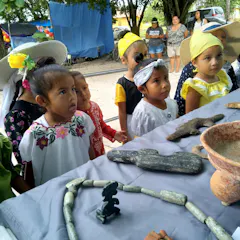
What’s happening in Belize is a work in progress. Its citizens pursue diverse self-determined actions along with repatriation as steps toward generational healing and redress.
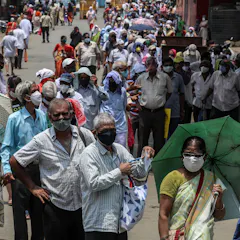
COVID-19 has created a temporary but desperate minority of Australians. These are the roughly 34,000 citizens overseas who say they are stranded.
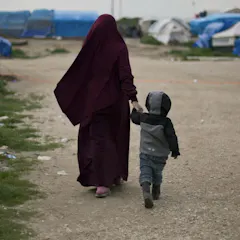
The children of Canadians who have left to join the Islamic State are the subject of a fierce debate about Canada’s obligation to their repatriation.

New Zealand and Australia have no prisoner transfer agreement. By negotiating one, we could deport the Christchurch terrorist and help resolve the trans-Tasman prisoner problem in the process.

In a surprising twist, Frozen 2 tackles the complicated issue of warped colonial narratives and the case for repatriation. A worthy feat, but how well does Disney pull it off?
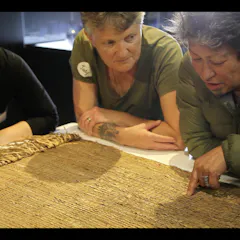
Repatriations cannot be made solely on the terms and timeframes that suit European political whims.
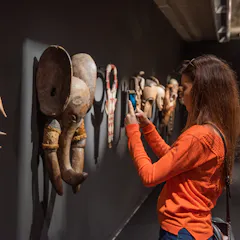
New technology means museums can return items to their countries of origin while still representing those cultures in fair, interesting ways.

It’s not always easy to work out where Aboriginal remains came from, but science can help.
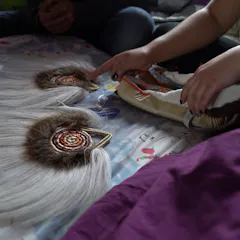
A decade-long project to excavate a sod house from half a millennium ago has yielded nearly 100,000 artefacts.
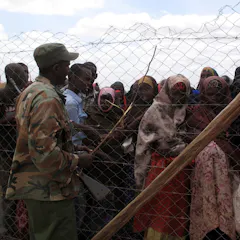
Human rights organisations worry that the UNHCR may be helping refugees return to war zones and, as an enabler of repatriation, are helping Kenya to violate refugees’ rights

Many of the men and women who left homes in the West to join ISIS or similar terrorist organizations in Syria and Iraq as fighters or supporters now want to come home. Should they be allowed back?
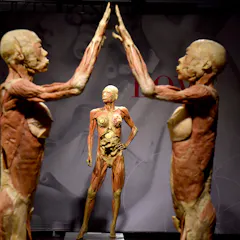
Protesters have urged a boycott of Sydney’s current Real Bodies exhibition, over claims that it could display remains of executed Chinese political prisoners.
Top contributors
-

Lecturer and Senior Research Fellow at the South African Research Chair in International Law (SARCIL), University of Johannesburg
-
Lecturer, International Law, University of Nairobi
-
Melbourne School of Design, The University of Melbourne
-
Lecturer in Geography and Map Curator, The University of the West Indies
-
Professor of Law, University of Waikato
-
Research Associate Professor (tenured), French National Centre for Scientific Research (CNRS), Université Paris-Panthéon-Assas
-
Olkola elder and Chairman of the Olkola Aboriginal Corporation, Indigenous Knowledge
-
Associate Professor, American University School of Public Affairs
-
Professor, University of Birmingham
-
Associate Professor, Faculty of Business and Communications Studies, Mount Royal University
-
Professor in Classics, Trinity College Dublin
-
Assistant Professor in Political Theory, University of Essex
-
Professor of Archaeology and Biological Anthropology, School of Social Science, The University of Queensland
-
Post-doctoral Research Assistant, 3DVisLab, University of Dundee
-
Director & SARChI Research Chair: Political Economy of Migration in the SADC Region, University of Pretoria