

Our proposed build-to-rent-to-own model would mean residents could buy a stake in the development they live in – without a deposit or bank loan.
Articles on rental stress
Displaying 1 - 20 of 22 articles

Data from the Mental Health Commission shows the proportion of people finding it ‘difficult’ or ‘very difficult’ to cope on their income has doubled.

Stereotypes of older generations owning all of the property wealth can be misleading. There are also senior Australians facing housing stress – and homelessness.

The cost-of-living crisis has been exacerbated by mortgage and rental stress. Housing affordability and availability are defining issues for the election and beyond.

Agencies that help people who are homeless or at risk of homelessness are struggling to house them because of the shortfall of social housing and intense competition for affordable rentals.

As more people struggle in an unpredictable housing market, is it smarter to move or stay if your landlord raises your rent by 10%?

The government says it is serious about improving living standards but it has failed to provide targeted and long-term relief for the people who need it the most.
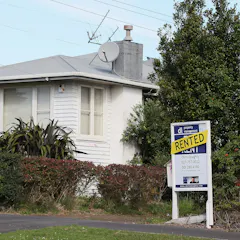
Renters face all types of housing discrimination, new research has found. This needs to be taken into consideration when it comes to relying on the private sector to help with emergency housing.

People wait years for social housing. In before-and-after interviews, the fortunate ones who were placed in secure, affordable housing describe the profound difference it has made in their lives.

Grattan Institute calculations suggest that the 200,000 homes the state and territory leaders have agreed to build over five years will result in billions in savings for renters.

Rent assistance can ease rental stress, but it won’t help low-income earners find secure and affordable housing when it’s in such short supply, nor stop disadvantage being concentrated in some areas.

Why are some of the problems with housing stress and homelessness worse in New South Wales than in other states?
Rent assistance is only $10-14 per day, well below rent levels.

As property values skyrocket, long-term renters — many of whom are elderly — face the very real risk of homelessness.

Controlling for other factors, the mental health cost of renting can be eliminated through longer tenure and greater security.

In the first analysis of its kind, researchers interviewed Australians over 50 who have been house-sitting for more than a year.

JobKeeper and the COVID Supplement to JobSeeker benefits will be gone in a week. The combined effect will be to halve some recipients’ incomes and the rent they can afford.

Even before the pandemic added to their financial stresses, a survey of international students suggests more than 20,000 were renting beds that are available to them for only certain hours.

The impacts of the pandemic on jobs and incomes have been so widespread and severe that low-income households can afford very few properties despite rents falling in some parts of our capital cities.

High rents and insecurity are constant sources of financial and emotional stress for low-income women. They describe what it’s like struggling to survive and being one step away from being homeless.
Top contributors
-

Emeritus Professor of Housing, UNSW
-
Adjunct associate, Swinburne University of Technology
-
Professor of Social Epidemiology and Director of the Centre of Research Excellence in Healthy Housing at the Melbourne School of Population and Global Health, The University of Melbourne
-
Research Associate, Centre for People, Organisation and Work, RMIT University
-
Alan Morris is a Friend of The Conversation.
Professor, Institute for Public Policy and Governance, University of Technology Sydney
-
Research Fellow In Healthy Housing, The University of Melbourne
-
Adjunct Fellow, Sociology
-
Associate Professor, Geography and Urban Studies, Western Sydney University
-
Senior Research Fellow, University of Waikato
-
Associate Professor, Social Policy Research Centre, UNSW
-
Lecturer in Planning, The University of Queensland
-
Postdoctoral Research Fellow, Centre for Urban Research, RMIT University
-
Professor of Policy and Society, Department of Government and International Relations, University of Sydney
-
Lecturer in Sustainability and Urban Planning, RMIT University
-
Vice Chancellor's Postdoctoral Fellow, RMIT University