
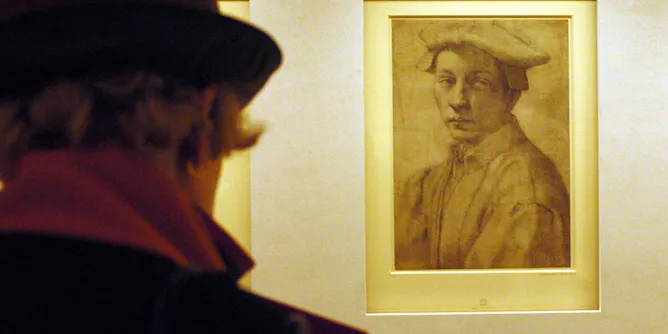
A red chalk sketch for the Sistine ceiling fetched an eye-popping sum at auction, reflecting the artist’s lifelong belief that drawing and design – not painting – were the wellspring of all great art.
Articles on Renaissance art
Displaying 1 - 20 of 21 articles
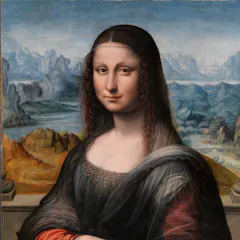
The Mona Lisa has traditionally been associated with Lisa Gherardini, the wife of a Florentine silk merchant. But there’s plenty of evidence pointing to a different identity.
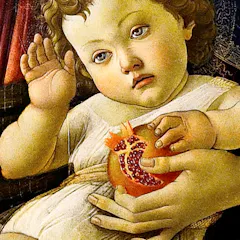
Pomegranates were popular signifiers of fertility and motherhood, used to inspire “good” behaviour in women during the Renaissaince.
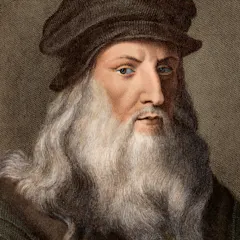
A document, which dates to 1452, shows that da Vinci’s father emancipated an enslaved woman named Caterina – Leonardo’s mother.
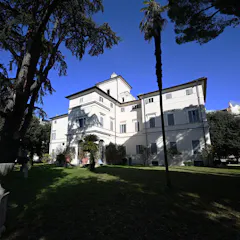
What will happen to this villa and its unique collection of 16th- and 17th-century ceiling paintings?
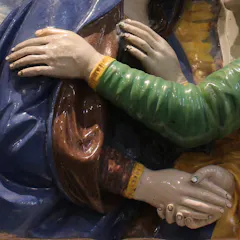
After a year of pandemic social distancing, we know touch is a much-desired privilege. In the Italian Renaissance, people longed to touch not only each other, but also religious sculptures.
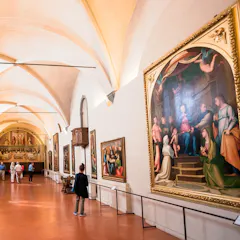
The Renaissance San Marco convent, now a museum, is where Fra Angelico lived and painted under the patronage of Cosimo de’ Medici. It was also where Savonarola proclaimed the Bonfire of the Vanities.
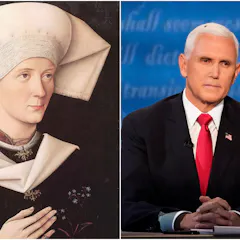
Flies have long held symbolic meaning in the history of art. In portraits made in Renaissance Europe, the presence of a fly symbolizes the transience of human life.
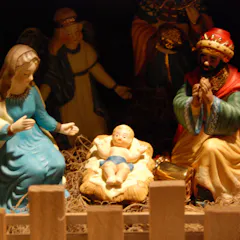
Nativity scenes showing the birth of baby Jesus first originated in the small Italian town of Greccio.
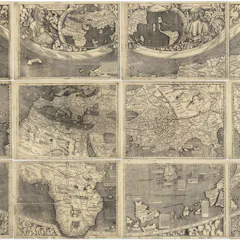
A new look at Renaissance paintings demonstrates the world has always been global.
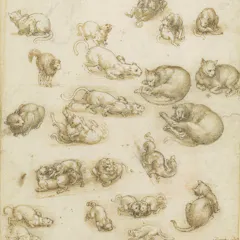
Rather than prioritizing human beings at the pinnacle of the animal kingdom, Leonardo revered all living beings. When he compared people and animals, it’s the animals that often came out on top.
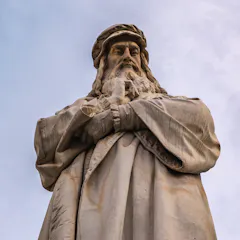
Dead five centuries, Leonardo retains a rock star’s fame, well known around the world by just one name. Here, some facts about the man and his legacy.

Leonardo’s professional life reveals his genius for creating technologies of destruction.
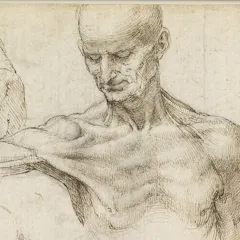
Leonardo’s interest in the human form and replicating human bodily movement foreshadow ideas present in modern robotics.
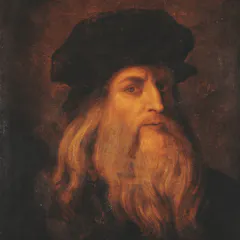
Painter, sculptor, inventor, engineer, mathematician, anatomist: has anyone ever surpassed the genius of Leonardo?
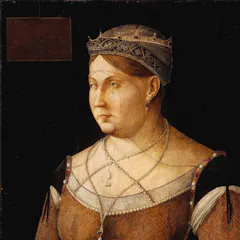
One of the most significant woman of Venice’s golden age, Cornaro was an important figure in Renaissance politics, diplomacy and arts.
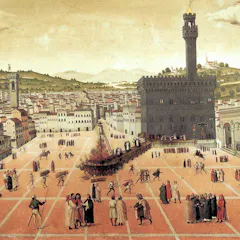
In 1497 Girolamo Savonarola burned books and art in Florence in the most infamous act of European cultural desecration. A year later, he met the same fate.
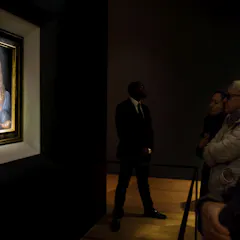
Salvator Mundi is the most expensive painting ever to be sold. It remains to be seen who bought it and where it will be kept.
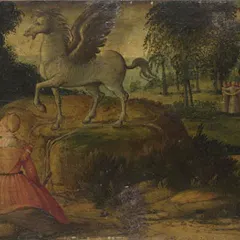
Modern music fans like to surround themselves with images representing their musical tastes – and so did Renaissance Italians.
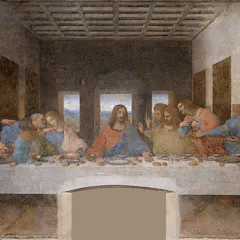
Mathematics and art are generally viewed as very different. But a trip through history – from an Islamic palace to Pollock’s paintings – proves the parallels between the two can be uncanny.
Top contributors
-

Associate Professor in History of Art, University of Nottingham
-
Director, Gender and Women's History Research Centre, Australian Catholic University
-
Professor of Early Modern Art History, University of Michigan
-
Senior Lecturer in Musicology, University of Sheffield
-
Head, Public Engagement, Chau Chak Wing Museum, University of Sydney
-
Professor Emeritus of Art History, University of Sussex
-
Senior Lecturer in Art History, The Open University
-
Professor of Romance Languages and Literatures, Bowdoin College
-
Professor and Chair of History of Art and Architecture, UMass Amherst
-
Professor of Mechanical Engineering, The University of Melbourne
-
Professor of History, Australian Catholic University
-
Chancellor's Professor of Medicine, Liberal Arts, and Philanthropy, Indiana University
-
Professor, Art History and Art Conservation, Queen's University, Ontario
-
Professor, History, Dean of Arts, Australian Catholic University
-
Director of Catholic Studies, Georgetown University