
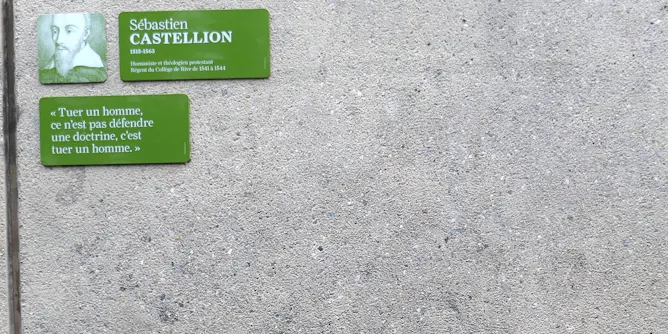
Sebastian Castellio penned one of the first arguments for religious freedom – but it went unheeded for centuries.
Articles on Reformation
Displaying 1 - 20 of 25 articles
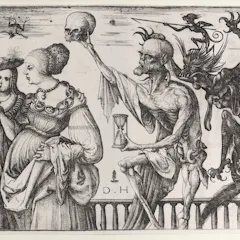
Artists often turn to the supernatural to reflect on and speak to the anxieties brought about by social, religious and political upheaval.
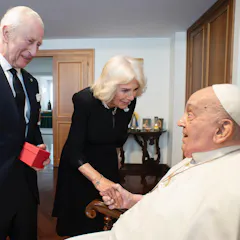
Today’s religious identities have more to do with political decisions made centuries ago than with personal faith.
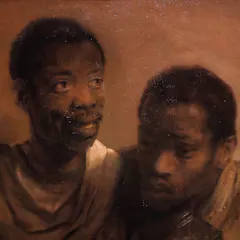
In the 1600s the Netherlands established one of the world’s first art markets – but it couldn’t have happened without the economic boom spurred by the slave trade.
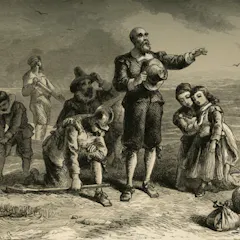
Puritans and Pilgrims came out of the same religious culture of 1570s England. Pilgrims hosted the first American Thanksgiving, and Puritans arrived later.

In the 20th century, an engineer from Philadelphia encouraged others to create their own Mary gardens and established a company that sold seeds with Marian plant names.
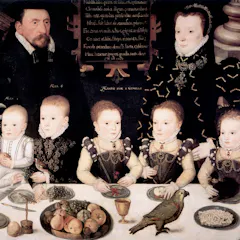
During the Tudor period, religious beliefs shaped people’s attitudes towards food and food waste.

The Bible remains the most important collection of books in Western civilisation. Regardless of our religious beliefs, it has shaped all of us. But who wrote it? The answer is complicated.

A scholar of Christian spirituality argues that prayers are meant to bring together a faith community – something apps aren’t likely to achieve.
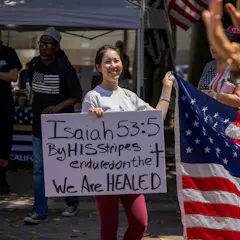
A historian of the Bible in American life explains how Bible verses are being picked out of context to make a case for the anti-vaxxer movement.
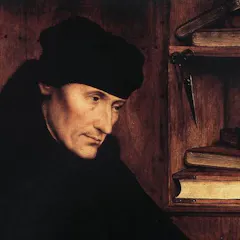
Martin Luther is credited with initiating the split in Christianity that came to be called the Protestant Reformation. But don’t count out Erasmus, an early proponent of similarly radical ideas.
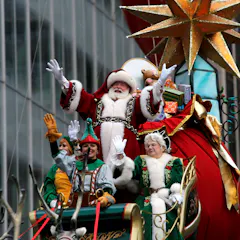
Behind today’s mythical Santa Claus from the North Pole, is a real saint – St. Nicholas. How he came to be today’s gift-giving jolly figure from the North Pole is a fascinating story by itself.
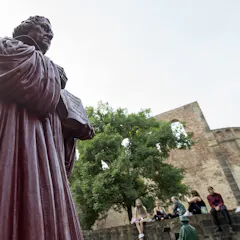
On Oct. 31, 1517, a German monk, Martin Luther, started the Protestant Reformation. Its impact went far beyond the split in the Church that most people are familiar with.
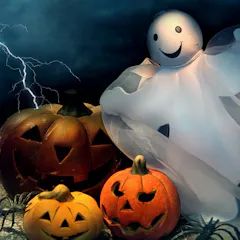
Ghost stories are often about the departed seeking justice for an earthly wrong. Their sightings are a reminder that ethics and morality transcend our lives.
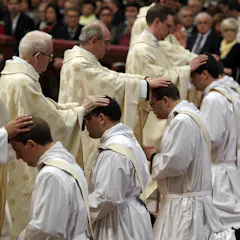
Early Christians were open to marriage for priests. It wasn’t until the 12th century that celibacy became mandatory in the Catholic Church.

Africa’s current situation has a parallel in European history - the Reformation and the changes it wrought in terms of language exceptionalism.
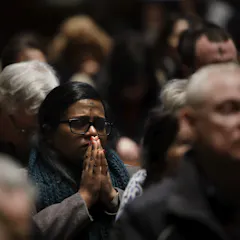
Churches started to use ashes early as the ninth century as a symbol of repentance. In 1091, Pope Urban II ritualized their use to mark the beginning of Lent. Today, churches provide ‘ashes to go.’
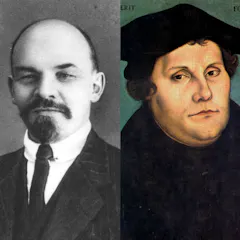
Two revolutions, 400 years apart, set in chain processes that claimed millions of lives.
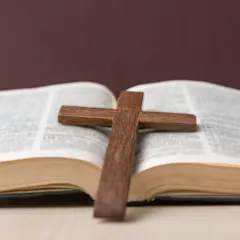
In the early 1900s, a group of Protestants in the US attempted a reunion of Christianity. They failed, of course, but they prompted a new dialogue.

For medieval cultures, the dying process and death itself was a ‘transition,’ not a rupture.
Top contributors
-

Professor of Early Christianity, Cornell University
-
Associate Professor of Intellectual Heritage, Temple University
-
Emeritus Professor of African Linguistics, University of Leipzig
-
Senior Lecturer in History, University of Portsmouth
-
Professor of Anthropology, USC Dornsife College of Letters, Arts and Sciences
-
PhD candidate, Durham University
-
Associate Professor, University of Leicester
-
Senior Lecturer in International Conflict, University of Kent
-
Professor of History, Missouri University of Science and Technology
-
Professor of Homiletics, Howard University
-
Professor of English, University of Montana
-
Professor of History and Associate Dean, College of Liberal Arts, Rochester Institute of Technology
-
Auguste Comte Chair in Social Epistemology, University of Warwick
-
Leverhulme Early Career Fellow in the School of History, Archaeology and Religion, Cardiff University
-
Professor of English Literature, University of Colorado Boulder