
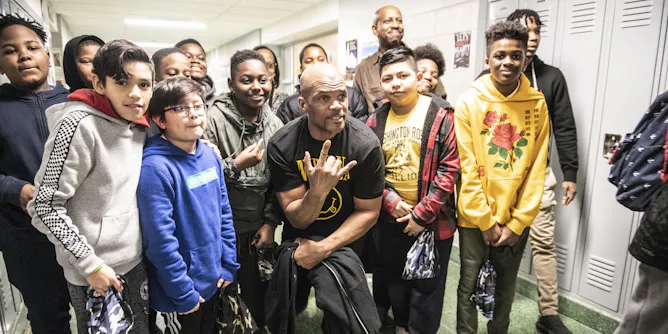
In recognition of National Hip Hop History Month, The Conversation presents four articles that deal with how educators and rappers are taking hip-hop from concerts to classrooms.
Articles on Rap music
Displaying 61 - 80 of 104 articles
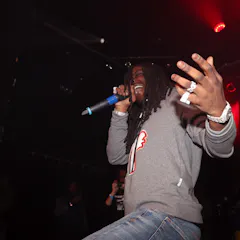
The police, the media and politicians have long objected Chief Keef’s ties to gang violence. But the rapper wrote the playbook for using social media to make a career out of music.
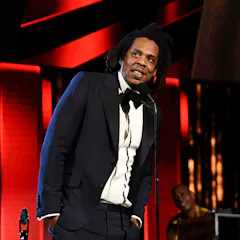
The world of rap music has no shortage of artists who turned their backs on formal education only to become some of education’s biggest benefactors.

Recent polemical debates over French rappers Youssoupha and Médine show that rap is still not accepted by the political mainstream.
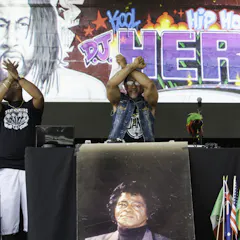
With Congress designating Aug. 11, 2021, as Hip-Hop Celebration Day, a scholar and performer of the art form makes the case for hip-hop to become more prominent in American academe.
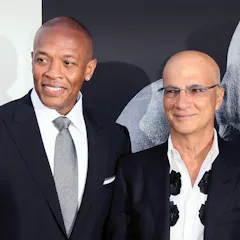
A new school proposed by music moguls Dr. Dre and Jimmy Iovine seeks to provide students with practical skills they can apply in entertainment and other fields. Is this a new model for education?

In 1970, Gil Scott-Heron penned a spoken word song called ‘Whitey on the Moon’ that criticized the 1969 Moon landing. A hip-hop scholar explains why the song still reverberates today.

Can college professors rap their way into academic publishing? One professor makes an album to prove they can.
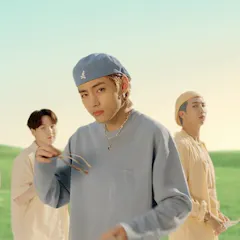
BTS has broken record after record but the industry still discounts K-pop as not pop.

Cardi B and Megan Thee Stallion’s song has cause an uproar for its explicit expression of female sexuality.
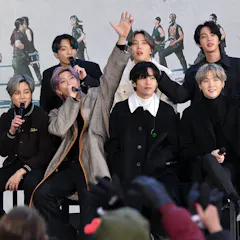
Few of those in the K-pop industry have donated or even spoken out in support of the Black Lives Matter movement.

Rap songs from Public Enemy and Ludacris have been heard at marches over the killing of George Floyd. But the history of Black American music as a form of protest dates back to the 19th century.

When prosecutors introduce lyrics, they’re asking juries to suspend the distinction between author and narrator, reality and fiction, and to read them as literal confessions of guilt.

For the second year in a row, hip-hop music is the most popular form of music in the US. So why isn’t it in more of America’s classrooms? A hip-hop scholar weighs in.

The meeting of canvas and rubber that began in the 1830s still inspires crowds to queue for the latest pair. Sneakers are now big business and high fashion.
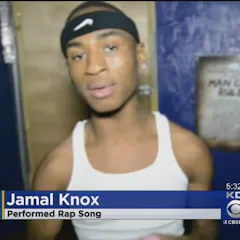
Rapper Jamal Knox was convicted of making terroristic threats against two Pittsburgh police officers in a rap song. Now his case is before the Supreme Court, with serious implications for free speech.
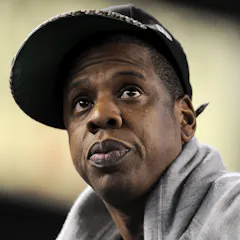
If Mr Beyonce wins his argument that an arbitration clause should be struck down for lack of diversity, the barn door will be blown off the whole profession.
The stigma attached to HIV and AIDS, particularly in hip hop culture, is rife. The disease is represented poorly and often factually incorrect through lyrics.
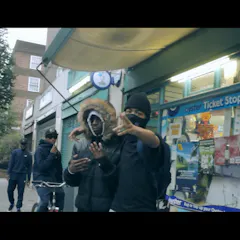
West London group 1011 music group have been banned from making music without police permission.
In voicing youthful outrage over inequality and violence, Bangladeshi rappers are creating a powerful form of protest music — just as American MCs have done for 40 years.
Top contributors
-

Associate Professor of Hip-Hop, University of Virginia
-
Research Lead at Rhythm Obscura / Lecturer in the School of Art, Design and Architecture, University of Plymouth
-
Assistant Professor of Practice, Mills College
-
Rap Lyricist and Lecturer in Music Performance at Confetti Institute of Creative Technology, Nottingham Trent University
-
Piano Performance Fellow, The University of Queensland
-
Assistant Professor of Race and Media, School of Journalism and Mass Communications, University of South Carolina
-
Senior Lecturer, Music Enterprise and Entrepreneurship, University of Westminster
-
Professor of Music, Wesleyan University
-
Teaching Assistant Professor of Musicology, West Virginia University
-
Professor of Music, University College Cork
-
Assistant Professor of European Studies, University of Florida
-
Associate Professor of American Culture, University of Michigan
-
Associate Professor of Religion, San Diego State University
-
PhD. Department of Religious Studies, McMaster University
-
Associate Dean of Humanities and Social Sciences, University of Winchester