
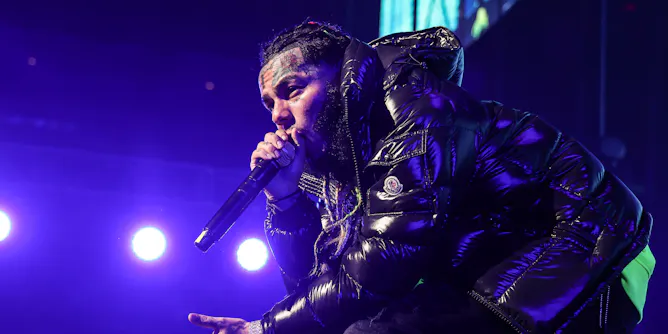
A critical race theory scholar explains why it’s problematic to use rap lyrics as evidence of a crime, and what some lawmakers are doing to protect artistic expression.
Articles on Hip hop @ 50
Displaying all articles
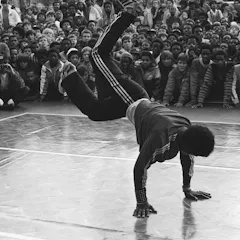
On Aug. 11, 1973, a block party in the Bronx spawned a genre that would go on to influence nearly all aspects of US culture – and the music, fashion and art of countries around the world.
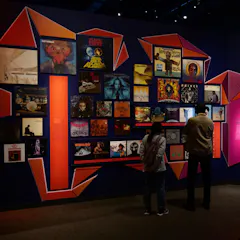
Afrofuturism, a mix of science fiction, magic realism and liberation politics, has shaped some hip-hop artists’ work for decades.
A scholar explains how a concept that appeared in Nation of Islam literature nearly a century ago essentially defines hip-hop’s consciousness today.
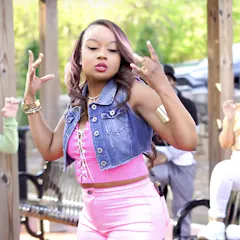
Dip hop artists move across the stage, hands flying through the air, as audiences pulse to the rhythm of a blasting bass beat.
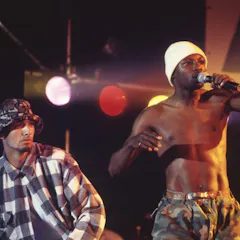
Hip-hop traveled far after being birthed by Black Americans in US cities. The journey hasn’t always been smooth.
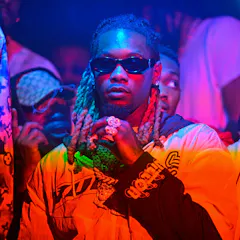
Greater representation in rap from LGBTQ artists comes as mainstream artists atone for past lyrics.

Born out of the pain and anger in Black American communities, rap music struck a similar chord throughout Europe, as immigrants struggle to retain their ethnic identities on the margins of society.
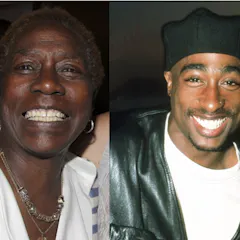
From Tupac to Jay-Z, many a rap artist has set pen to paper to pay homage to the women who gave them birth.

Once considered a novelty in school, hip-hop has spawned an array of educational programs and initiatives that are reshaping the way educators teach and how students learn.
Top contributors
-

Assistant Professor of European Studies, University of Florida
-
Professor of Sociology, University of Richmond
-
Professor of Music, Wesleyan University
-
Teaching Assistant Professor of Musicology, West Virginia University
-
Associate Professor of American Culture, University of Michigan
-
Associate Professor of Religion, San Diego State University
-
Professor of Higher Education, University of South Carolina
-
Professor of Religious Studies, University of Arizona
-
CRT Forward Project Director, University of California, Los Angeles
-
Associate Professor of Hip-Hop, University of Virginia