

From who gets to vote to how people travel and where taxpayer dollars are funneled, politicians and urban planners wield maps to control public imagination.
Articles on Racial disparities
Displaying 1 - 20 of 39 articles
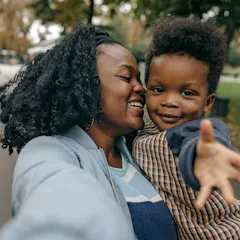
Communities with unstable housing, food deserts and less access to health care contribute to the problem.
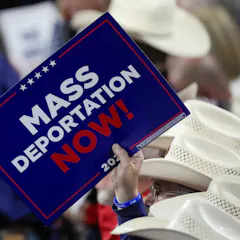
The US has a long history of misusing genetics and biology in immigration policy, the effects of which are still keenly felt today.

Ending institutional racism is a long-term goal and requires well-informed and engaged people to remake systems and structures

The new guidelines are not intended to reduce punishment but aim to reduce disparities in punishment that are linked to race and ethnicity.

Higher jail mortality is related to jail turnover rates and demographics.
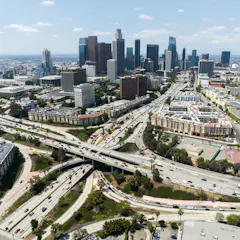
An analysis by scholars at the University of California, Davis showed that just a small number of cities in California actively consider racism when developing their plans.

Calls to increase the diversity of the teacher workforce are unlikely to meaningfully address large racial and ethnic educational inequities, at least not during elementary school.

Arrest numbers reflect a nearly 40% decline from 2019, but the statistics come with some caveats.
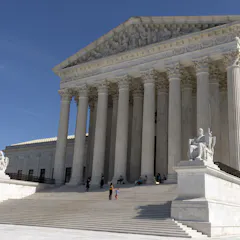
Scholars explain what affirmative action is – and isn’t – as well as what its effects are, and why, among others, the military has supported it for decades.
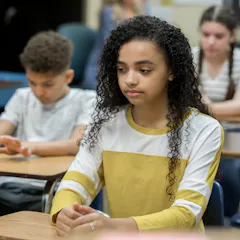
A social work scholar researches why school suspensions disproportionately affect students from certain groups and what can be done to change that.

These nonprofits help with abortion access, but on average they don’t cover all costs, researchers have found.

Avoiding trite moralisations, Professor Southall uses empirical research to shed light on white South Africans’ adjustment to democracy.
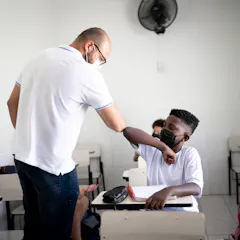
School suspension rates drop significantly if US teachers came from more diverse backgrounds, a scholar says.
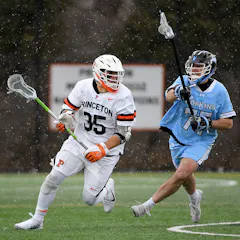
Students who come from families that are more well-off financially have an advantage in their quest to become a college athlete, researchers have found.

When colleges and universities provide better funding for Ph.D. students, more students – especially students of color – apply.

When students are allowed to bring personal items for show and tell, it can build their senses of self-worth, belonging and control. But poor kids often don’t get that opportunity.
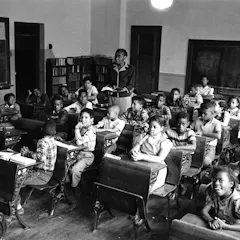
A school finance expert and an education law scholar make the case for why reparations should be paid to African Americans by changing the way schools are funded.
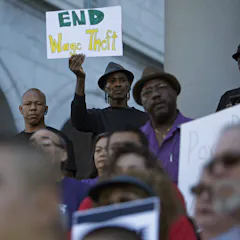
Rebalancing labor relations so that workers are empowered would be an effective way to address racial wealth disparities and atone for the legacy of slavery, a scholar argues.
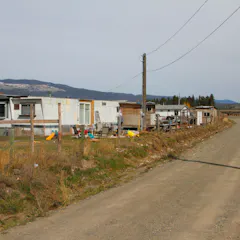
Older adults in rural areas in Canada are more vulnerable to the effects of COVID-19, including related ones like social connections and public health information outreach.
Top contributors
-

Associate Professor of History and Social Medicine, Florida State University
-
M.S. Candidate, University of Washington
-
Professor of Anthropology, American University
-
Assistant Professor of Civil and Environmental Engineering, University of Washington
-
Professor of Practice in Environmental and Forest Sciences, University of Washington
-
Ph.D. in Civil & Environmental Engineering, University of Washington
-
Assistant Professor of Public Management and Policy, Georgia State University
-
Professor of Applied Economics and Director of the Center for Energy and Environmental Policy Research, MIT Sloan School of Management
-
Executive Director of the Center for Automotive Research, Stanford University
-
Associate Professor of Educational Leadership and Policy, University of Florida
-
Professor of Law, University of South Carolina
-
Chief Research Specialist in Democracy and Citizenship at the Human Science Research Council and a Research Fellow Centre for African Studies, University of the Free State
-
Professor of Law, The University of Texas at Austin
-
Assistant Professor of Educational Administration, Michigan State University
-
Assistant Professor of Sociology, University of Pittsburgh