
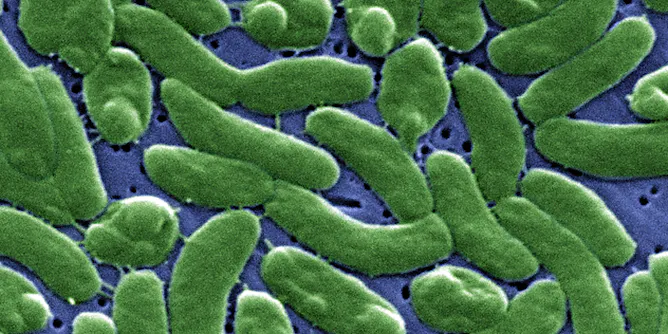
Warmer ocean waters are fueling the spread of the bacteria Vibrio vulnificus. Infections can lead to a rare but fatal condition called necrotizing fasciitis.
Articles on Q+A
Displaying 1 - 20 of 60 articles
A Carnegie Mellon researcher explains the connection between our brains and AI chatbots – and what a new Pennsylvania lawsuit reveals about the dangers of AI.
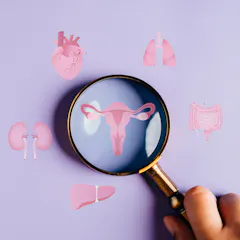
Polycystic ovary syndrome is an inaccurate name for a condition that affects millions of people worldwide. Its new name can help address missed diagnoses and fragmented care.

Colon cancer symptoms can be subtle. While lifestyle changes can help reduce your risk, open communication with your family and doctor is essential.
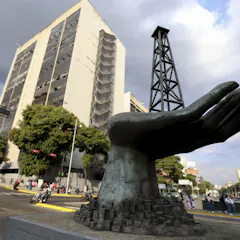
Political chaos, sanctions and technical mismanagement of the oil industry may have taken a heavy toll on the industry.

Both long-running shows have launched memorable and powerful TV moments. The difficulty for networks now is how to replace them.
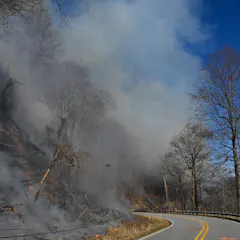
Fires are a natural part of the landscape and essential for many species. But scores of fires at once were more than anyone bargained for.
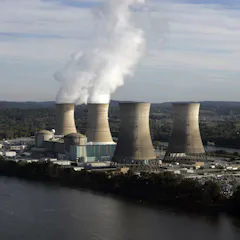
Rising electricity demand, especially to power data centers, could make restoring some nuclear plants that closed early financially viable.
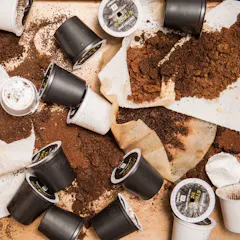
As concern about plastic pollution mounts, the federal government is revising its standards for calling products recyclable. A recent fine against Keurig could be a sign of things to come.

The ocean is warming, providing ample fuel for destructive tornadic waterspouts.

Raw milk has always carried the risk of serious illness, and this risk has only risen with bird flu spreading across dairy farms in the US.

A civil engineer explains why ships taking out bridges is rare, and describes how bridge builders protect the structures from ship collisions.
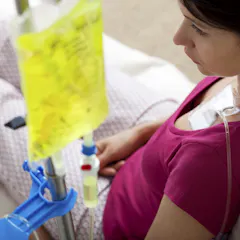
There are many approaches to treating cancer. Which ones work best is determined on an individual basis and informed by each tumor.
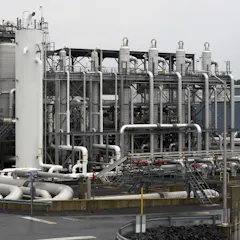
The US, a minor liquefied natural gas supplier a decade ago, now is the world’s top source. That’s good for energy security, but bad for Earth’s climate. An energy scholar explains the trade-offs.
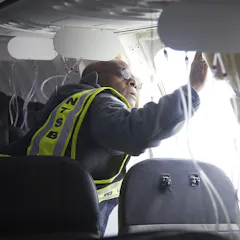
Boeing is under increased public and government scrutiny in the wake of dangerous events that have people worried about the safety of air travel.

Scholars who study disparities in early care and education answer five questions about Michigan’s Great Start Readiness Program.
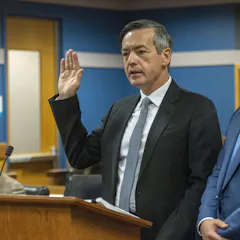
With co-defendants of Donald Trump accepting plea bargains, an expert in criminal law explains what these legal agreements are and how they work.
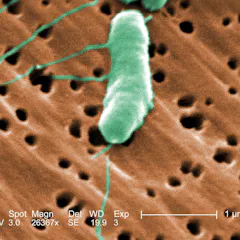
Warmer ocean waters are fueling the spread of the bacteria Vibrio vulnificus. Infections can lead to a rare but fatal condition called necrotizing fasciitis.
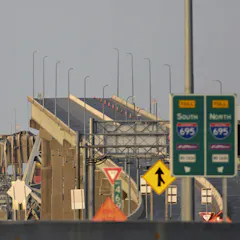
Transportation agencies plan for events like major bridge or highway collapses, but these events can disrupt traffic for months and affect residential neighborhoods as well as motorists.
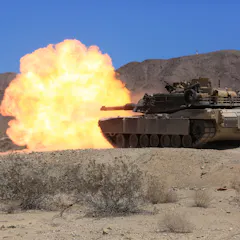
Depleted uranium munitions are bad news for enemy tanks, but are not nuclear weapons, and studies have shown that they pose low risks of radiation or chemical exposure.
Top contributors
-

Associate Professor of Veterinary Medicine, Iowa State University
-
Director, Energy, Climate Justice, and Sustainability Lab, and Research Professor, New York University; Tufts University
-
Professor of Microbiology and Immunology, Indiana University
-
Professor of Earth Sciences and Executive Director, Environmental Resilience Institute, Indiana University
-
Co-director, STEPS (Sustainable Transportation Energy Pathways), University of California, Davis
-
Professor of Law, Director, Program on Law and Innovation, and Co-director, Energy, Environment and Land Use Program, Vanderbilt University
-
Associate Vice President of Compliance and Research Administration, University of Nevada, Reno
-
Professor of Environmental Law, Bren School of Environmental Science & Management, University of California, Santa Barbara; University of California, Los Angeles
-
Research Scholar, New York University
-
Distinguished Fellow, Sustainable Solutions Lab, UMass Boston
-
Executive Director, Leonard and Shirley Goldstein Center for Human Rights, University of Nebraska Omaha
-
PhD Candidate in Chemistry, University at Buffalo
-
Professor of Law, University of Notre Dame
-
Professor, Australian and Aboriginal History, Faculty of Arts, Design and Architecture, Convenor: Indigenous Land & Justice Research Group, UNSW
-
Assisstant Professor of Food Science, Nutrition and Health Promotion, Mississippi State University