
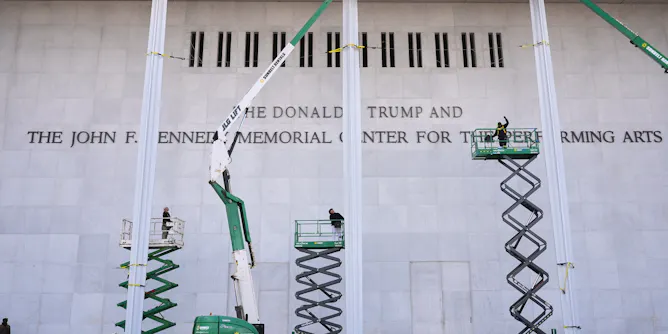
The law is on Trump’s side, in most cases, when his administration names things after him. But citizens still have the right to protest.
Articles on public monuments
Displaying all articles

The nationalist art of Mobutu Sese Seko and the art nouveau style of King Leopold II both live on in Kinshasa in fascinating ways.
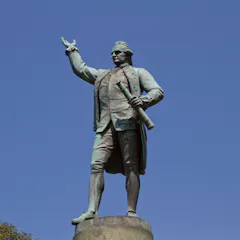
La Nouvelle-Zélande aussi s'interroge sur le sort à réserver aux monuments et aux noms de lieux rendant hommage au passé colonial.
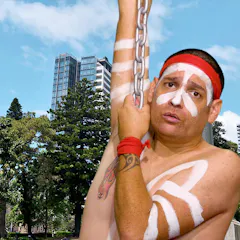
Monuments are testaments to how a society wants to remember. Now is the time to ask which monuments can withstand introspection. Artists are opening those conversations – sometimes hilariously.

As Bulguria’s iconic Buzludzha monument attracts international investment, a survey has found that the country’s people want more of their Communist monuments to be conserved.
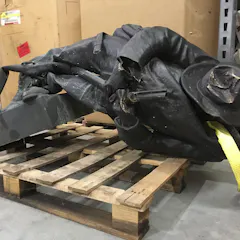
Where do old Confederate statues go when they die? The former Soviet bloc countries could teach the US something about dealing with monuments from a painful past.
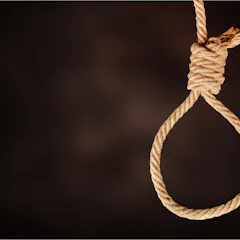
The first truth commission to research lynchings has been established in Maryland. It has the potential to educate the public about and support racial reconciliation. But it also faces obstacles.
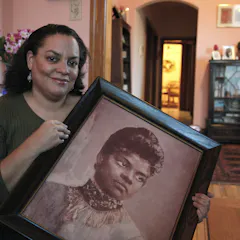
My great-grandmother, an early civil rights champion, path-breaking journalist and suffrage leader, was among the most influential women of her time.
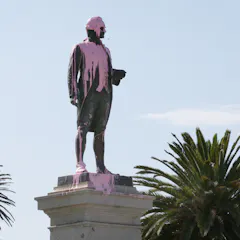
The federal government will spend nearly $50 million over four years to commemorate Captain Cook’s first landing. But some have questioned the spend.
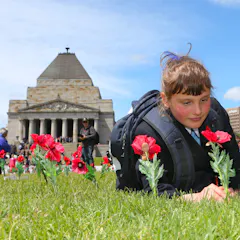
Teaching students to recognise and understanding the political, social, and economic factors that influence how we celebrate Remembrance Day would make them more active citizens.

A forest that is also a disturbing memorial to Mussolini recently burned down.
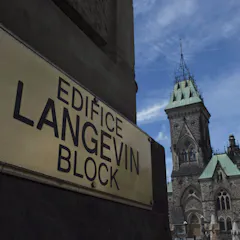
The Langevin Block on Parliament Hill is being renamed out of respect for Indigenous people. But instead of renaming buildings, let’s offer meaningful change to the Indigenous.
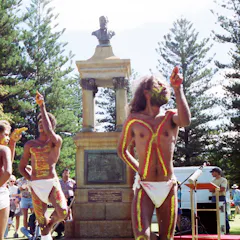
A Fremantle monument to three white explorers was revised in 1994 to acknowledge the violence committed against Indigenous owners. As Australia struggles to reconcile its racist past, perhaps this monument shows a way forward.
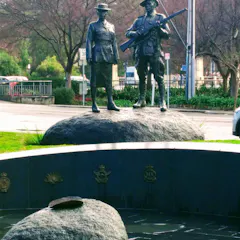
Many of our public commemorations honour people and incidents that brought great harm to others. We need to look at what that says about us, and how we build more inclusive public memorials.
Top contributors
-

Lecturer in History Education, Macquarie University
-
Professor Emeritus, Education and History, York University, Canada
-
Adjunct professor and adjunct senior lecturer in tourism management, Adelaide University
-
Professor of History, Australian National University
-
Senior Research Scholar, Max Planck Institute for the History of Science
-
Professor of Cultural Heritage, University of Canberra
-
Lecturer of Business Writing, Business and Entrepreneurship Department, Columbia College Chicago
-
Director, Environmental Humanities Laboratory, KTH Royal Institute of Technology
-
Professor of History, University of Canterbury
-
Derek H. Alderman is a Friend of The Conversation.
Chancellor's Professor of Geography, University of Tennessee
-
PhD Researcher in Archaeology and Ancient History, Cardiff University
-
Visiting Assistant Professor of Geography, Macalester College
-
Professor, Critical Indigenous Studies and Director of The Centre for Global Indigenous Futures, Macquarie University
-
Assistant Professor of Government; Director of the International Justice Lab, William & Mary
-
Senior Lecturer in Visual Art, University of Johannesburg