

It’s easy to get caught up in the promise of quick health fixes, but they are generally too good to be true.
Articles on Public health measures
Displaying 1 - 20 of 33 articles
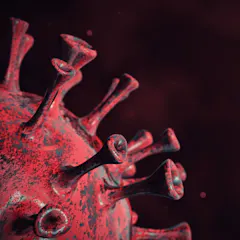
As COVID finds its equilibrium, infection rates will rise and fall, influenced by seasons, school holidays and new subvariants. Managing the risk is complex and needs to be cost effective.

Public health officials monitor sewage in local communities to track COVID, polio, flu and more. But no one asks the people being monitored for their permission – raising some questions and concerns.
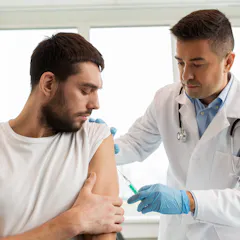
Public health measures have played a big role in curbing the current outbreak.
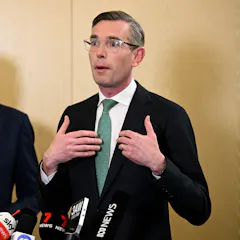
Will two fewer days of isolation make much of a difference to COVID case numbers?

Engaging in open and honest dialogue with the public to increase understanding of health inequities has never been more important.
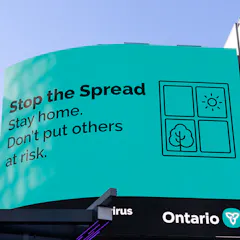
Examining how COVID-19 lockdowns and stay-at-home orders were implemented in Toronto, Johannesburg and Chicago reveals the impact they had on vulnerable communities.

While COVID has become less deadly, it has disproportionately claimed the lives of older and poorer Australians. Others have missed out on necessary preventative care during the pandemic.
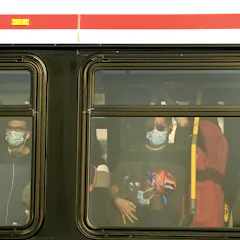
To help people make informed decisions about ongoing COVID-19 risks, public health messaging needs to adapt as the pandemic evolves, just as immune systems adapt to new viruses and variants.
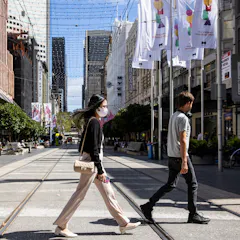
We modelled the impact small reductions in transmission would have on COVID deaths. We found a 20% drop could save the lives of 500 Victorians this year, or 2,000 people nationally.

Instead of minimizing current or future waves of COVID-19, we need strategies to deal with new variants efficiently. Only then can we live with the virus in a healthy way.
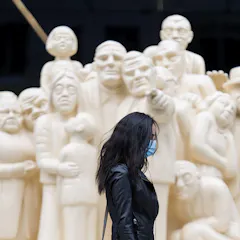
Decreases in respiratory infections during the pandemic suggest there may be a continued role for the selective, non-mandated use of measures like masks and social distancing even post-COVID-19.
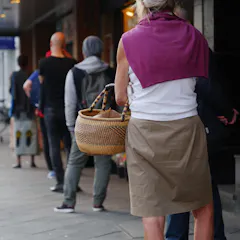
Masks not only reduce your chance of getting COVID, they might stop you unknowingly transmitting the virus to colleagues, people in vulnerable groups or children who are yet to be vaccinated.
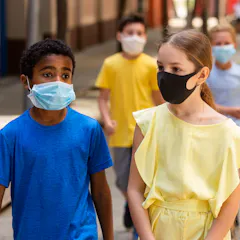
We rely on the spatial arrangement of facial features to process faces, and wearing masks interferes with that — especially for children.

Adolescents and young people should get involved early in the design, planning and scale up of interventions.
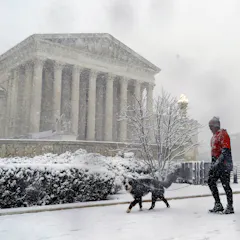
The court appears split over the future of vaccination mandates, with conservative justices skeptical of the Biden administration’s authority to enforce requirements.
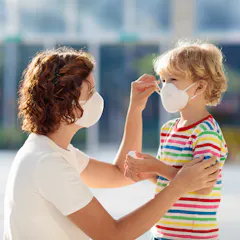
One of the best things you can do to encourage your kids to mask up is to model wearing one. There are other things you can try too.
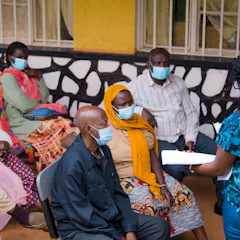
In Africa, it’s more rational to prioritise vaccine access, rapid rollout and community engagement, than pushing the narrative of vaccine-induced population immunity.

Different groups of researchers give different predictions. And it’s easy to be bewildered, especially if you’re in lockdown and looking for answers. Here’s what to make of it all.
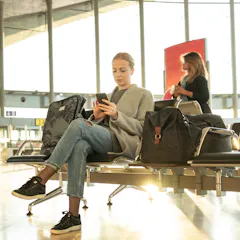
If we open up the international borders before enough of the population is vaccinated, hospitals could become overwhelmed and deaths would be unacceptably high.
Top contributors
-

Honorary Enterprise Professor, School of Population and Global Health, and Department of General Practice and Primary Care, The University of Melbourne
-
Research Officer / EIDM Specialist, University of Cape Town
-
Chair in Epidemiology, Deakin University
-
Director and CEO, Burnet Institute
-
Visiting Research Fellow in Philosophy, University of Hertfordshire
-
Associate Professor of Medicine, University of Louisville
-
Assistant Professor in Health Sciences, Simon Fraser University
-
Professor, Cumming School of Medicine, University of Calgary
-
Professor of Public Health & Associate Dean, Flinders University
-
Research associate, University of the Western Cape
-
Professor of Public Health, University of Sheffield
-
William R. Kenan, Jr. Professor of Government, emerita, Smith College
-
Professor of Global Biosecurity, NHMRC L3 Research Fellow, Head, Biosecurity Program, Kirby Institute, UNSW
-
Professor in Applied Mathematics, University of Canterbury
-
Epidemiologist and Public Health Specialist, National Institute for Communicable Diseases