

Communities almost never see a boost in job or income growth after taxpayers subsidize a new sports facility.
Articles on Public finance
Displaying 1 - 20 of 25 articles

Research has repeatedly found that stadiums generate little economic benefit, while subsidy referendums often fail when put before voters. Yet team owners continue to receive billions in tax dollars.
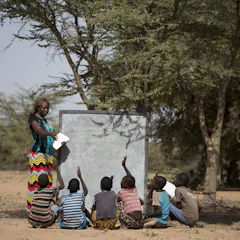
Public finance is the means through which societies either raise living standards or entrench dependence.

Most sellers already pay no tax, so the proposal’s benefits would flow to the richest.
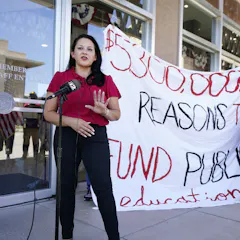
How states fund their schools may matter more in the coming years as the Trump administration prepares to change the federal government’s role in education spending.
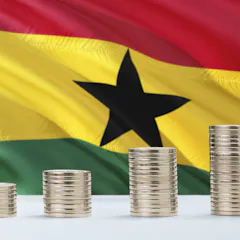
Ghana’s deal with the IMF is the 17th in its history.
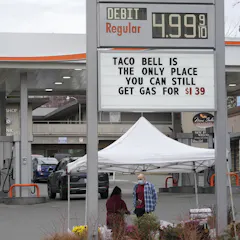
Consumers are feeling pain at the pump and demanding solutions. Some politicians are pushing gasoline tax waivers – but that means less money to fix roads, and often not much economic relief.
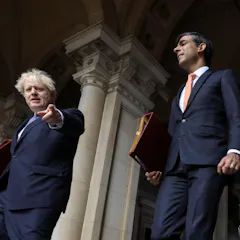
Energy prices, unemployment, inflation – it’s all looking a bit 1978. And that’s without COVID.
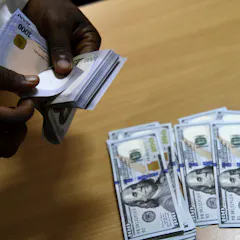
To non-economists, the World Bank ranking Nigeria fifth on the list of its top ten debtor countries is alarming. A deeper analysis shows there is no cause for concern.
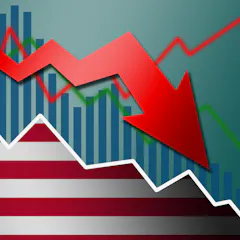
The headlines were inescapable: States faced a financial disaster of epic proportions because of COVID-19. The predictions were wrong.
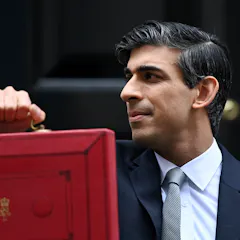
The plan is to achieve growth and level up without while sharply cutting the deficit.

Chancellor Rishi Sunak has delivered his second pandemic budget for the Conservatives.

Ngozi Okonjo-Iweala’s appointment as the first woman and the first African director general of the World Trade Organisation is a win for women globally.
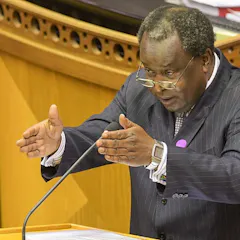
Medium-term expenditure frameworks can be useful only when they are based on comprehensive medium-term development plans.
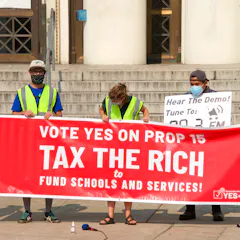
We find low taxes on the rich bring economies little benefit. This suggests there is a strong economic case for raising taxes on the rich to help repair public finances following the pandemic.
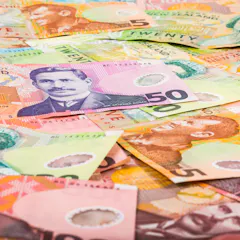
With their different but equally conservative income tax policies, both Labour and National ask voters to consider their own appetite for risk.

Africa’s leaders need to implement COVID-19 policies that protects African economies from the health crisis.

This shift in focus on social care funding could inject some honesty into the system.
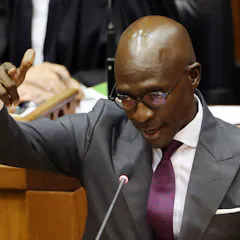
Whether measures announced by Gigaba will stave off a downgrade of South Africa’s local currency debt by one remaining rating remains to be seen.

The Queensland government pays a higher interest rate than Queensland mortgage holders. Plans for both urban and rural rejuvenation need to start with fixing government finances.
Top contributors
-

Honorary Research Fellow, City Political Economy Research Centre, City St George's, University of London
-
Senior Research Associate, University of Johannesburg
-
Director of History & Policy at the Institute of Historical Research and Professor of British and Commonwealth History, School of Advanced Study, University of London
-
Senior Lecturer at York Business School, York St John University
-
Associate Professor of Economics, University of California, Davis
-
Professor of Regional Political Economy, University of Glasgow
-
Principal Lecturer in Business Engagement and Enterprise, Teesside University
-
Dean of Business School, University of Southern Queensland
-
Professor of Social Policy, University of Salford
-
Associate Lecturer, University of Aberdeen
-
Senior Lecturer in Economics | Freelance Consultant, Sheffield Hallam University
-
Emeritus Professor of Economics, University of St Andrews
-
Presidential Distinguished Professor of Energy Policy and City Planning, University of Pennsylvania
-
Associate Professor of Business, Boston University
-
Professor of Citizen Participation, University of East Anglia