
The cost of land and, in turn, housing forces people to buy into the rules of market capitalism, making it very hard to ‘downshift’ from consumer lifestyles. But what if we rethink public housing?
Articles on Property prices
Displaying 21 - 40 of 43 articles
The thing about new housing is you need land to build it on. Developers are able to control its release at a rate that doesn’t put downward pressure on prices.
Property prices have soared in the past decade, but much more modest increases in rent, with the exception of Sydney, suggest less of an imbalance of supply and demand for housing as a place to live.
You’d perhaps expect property investors not to mind foreign investors who might push up prices. More surprisingly, house hunters are also more supportive than those who are not looking to buy.
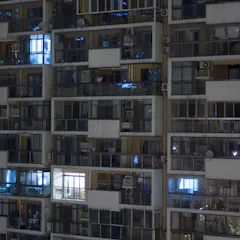
A tax on empty homes will make a modest difference to housing affordability. The sheer wastefulness of our housing system calls for something much more ambitious.
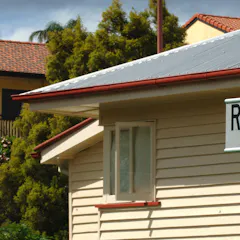
Only 18% of Sydneysiders think foreign investors should be able to buy property. They simply don’t accept arguments that this investment improves housing affordability by increasing supply.
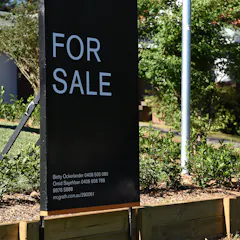
The housing affordability measures in this budget involve not much more than tinkering.
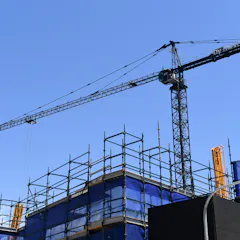
About 84% of cranes in Australia are used on residential sites, with commercial projects making up 5% of crane activity. Health, education, infrastructure and recreation projects make up the rest.
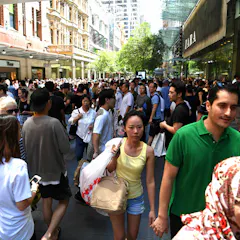
If the stars align, consumers will benefit from increased economic activity in the short term. And if they don’t, then the economic recovery will have consumers saving more in uncertain times.
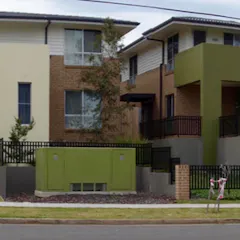
Do affordable housing projects drive down property values? Does neighbours’ quality of life suffer? Case studies in Brisbane and Sydney suggest such fears aren’t justified.
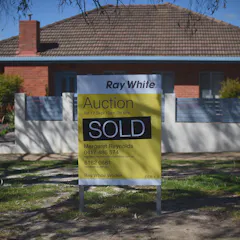
New research finds higher property prices are associated with higher household income and spending inequality.
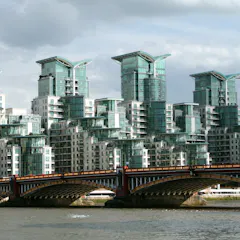
Property inequality keeps on growing, stopping it will take strong principles and brave politicians.
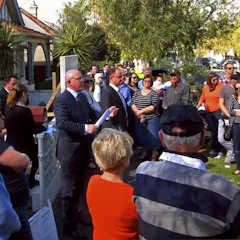
The Sydney property market creates shocks that spill over to other capital cities, and Hobart is the worst affected, new research shows.

Landlords and property agents often apply ‘no pets’ rules even though many households see them as part of the family. Their difficulty in finding rental housing then becomes a source of great stress.
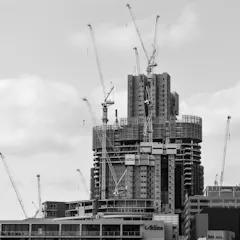
We are hearing dire warnings from property interests fighting against changes to negative gearing. But what if Labor’s proposed changes actually support demand for the flood of new properties?
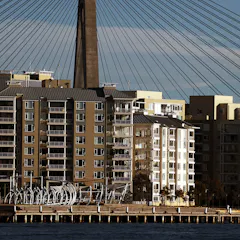
Herding behaviour is leading to excessive borrowing, further fuelling apartment prices, particularly in Sydney.

When it’s cheaper to buy and rent out and then rent another place, you know something is wrong with negative gearing.
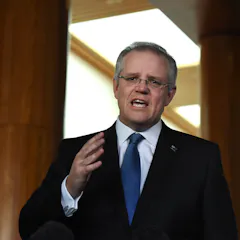
The default position for politicians is to sound concerned about housing affordability, but do nothing. This can be explained by the idea of ‘policy capture’, in this case by industry interests.
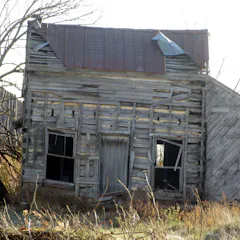
Negative gearing is not the housing saviour those in the industry claim it to be.
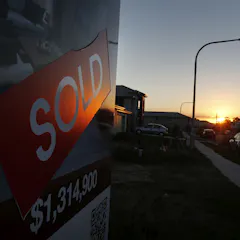
There’s no accurate data on foreign investment in Australian real estate, but what we do have suggests it’s only partly to blame for rising house prices.
Top contributors
-

Head of Urbanism and Associate Professor of Urban Studies, School of Architecture, Design and Planning, University of Sydney
-
Engaged Research Fellow, Institute for Culture and Society, Western Sydney University
-
Emeritus Professor, Urban Planning and Policy, University of Sydney
-
Research Fellow, University of Technology Sydney
-
Scientia Professor of Economics, UNSW
-
Associate Professor in Property and Real Estate, Deakin University
-
Lecturer in Urban Studies and Planning, University of Sheffield
-
PhD in International Political Economy, University of Auckland, Waipapa Taumata Rau
-
Lecturer in Economics, Griffith University
-
Associate Professor of Property, Western Sydney University
-
Senior Lecturer in Economics, Swinburne University of Technology
-
Senior Lecturer in International Relations, University of Waikato
-
Professiorial Fellow, The University of Melbourne
-
Professor, City Futures Research Centre, Faculty of the Built Environment, UNSW
-
Associate professor in urbanism, University of Sydney