

The number of jobs might be going up but the real test will be whether wages rise too.
Articles on Property market
Displaying 41 - 60 of 84 articles

The odds are that we get through 2018 without war, mass capital flight, or a housing crash. But all the risks are medium probability, and the consequences could be dire.
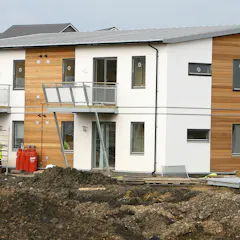
Mass production with a touch of customisation could be the best future for affordable homes.
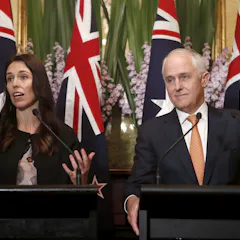
Concerns about foreign investors driving up housing prices have been growing. Australia was first to bar foreign purchases of existing residential property, but New Zealand is set to go further.
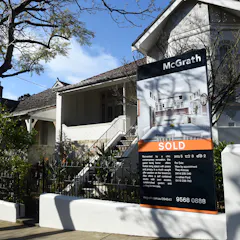
The way land titles are issued, bought and sold will soon be very different, thanks to privatisation and technology.

About 10% of empty dwellings on census night – 1.2% of all housing – were available for rental and vacancy rates have changed little in 35 years. Could governments be overreacting?

The egalitarian myth behind the great Australian dream of home ownership is at odds with the first rules of land granting in the colonies. Even then, property ownership depended on wealth and status.
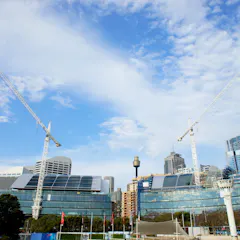
The Chinese government is curtailing outbound investment. While this will affect the Australian property industry, the rest of the economy should be unaffected.
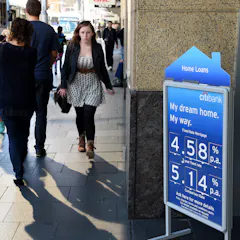
HILDA survey results show home ownership among young people is declining, as mortgage debt almost doubles for the same age group.

Individual households in Australia, on average, own 83% of all investment dwellings rented to private tenants or resold. They are people who usually have another main source of income.

A tax on empty homes will make a modest difference to housing affordability. The sheer wastefulness of our housing system calls for something much more ambitious.

A variable special rate on new residential housing developments in selected centres could be used to create a local incentive to supply more affordable dwellings at higher density.
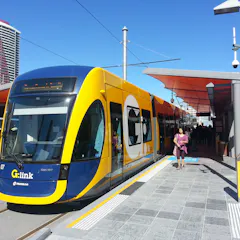
The light rail project pushed up property values within 800 metres of the stations by over 30% from 1996 to 2016. Gains on this scale offer a potential source of finance for public transport.
The housing affordability measures in this budget involve not much more than tinkering.

When people do downsize, financial incentives are generally not the big things on their minds. And so most of the budget’s financial incentives will go to those who were going to downsize anyway.
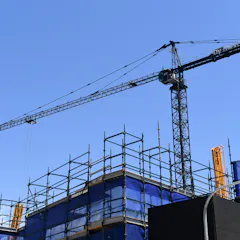
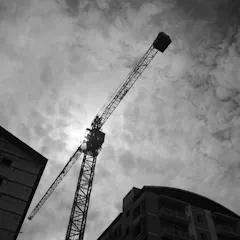
About 84% of cranes in Australia are used on residential sites, with commercial projects making up 5% of crane activity. Health, education, infrastructure and recreation projects make up the rest.

What critics of the plan to use superannuation for housing miss is that Australia’s super system already channels a significant proportion of retirement savings into housing.

There are many hidden costs and inefficiencies in housing markets. Blockchain is poised to transform that.

We now value the house as a wealth builder, not just a place to live in and raise a family. The result is a distorted investment market that makes home ownership and rental unaffordable.
As domestic construction slows, Chinese property developers are starting to look overseas. The potential impacts are diverse, from property prices right through to regional diplomacy.
Top contributors
-

Emeritus Professor, Urban Planning and Policy, University of Sydney
-
Head of Urbanism and Associate Professor of Urban Studies, School of Architecture, Design and Planning, University of Sydney
-
Scientia Professor of Economics, UNSW
-
Professor of Urban and Regional Planning, University of Sydney
-
Professiorial Fellow, The University of Melbourne
-
Emeritus Professor of Housing, UNSW
-
Emeritus Professor of Housing and Housing Studies, RMIT University
-
Professor of Housing Economics and Director, UK Collaborative Centre for Housing Evidence, University of Glasgow
-
John Curtin Distinguished Professor, Curtin University
-
Director and Professor, Australia-China Relations Institute (UTS:ACRI), University of Technology Sydney
-
Associate Professor, Geography and Urban Studies, Western Sydney University
-
Research Fellow - Henry Halloran Trust, University of Sydney
-
Senior Research Fellow, City Futures Research Centre, UNSW
-
Professor Allan Fels, Professor of Law, Economics and Business at the University of Melbourne and Monash University., The University of Melbourne
-
Associate Professor in Urban and Regional Planning, University of Sydney