

Scandals don’t have the resonance they used to. Both parties could do more to police offenders within their own ranks.
Articles on presidents
Displaying all articles
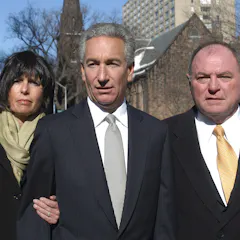
Trump and Biden have issued pardons at a faster clip than their predecessors. Many of their decisions appear to have been political or personal in nature.

Former French President Nicolas Sarkozy will be imprisoned. This decision illustrates the growing independence of the judiciary and the application of the principle of equality before the law.
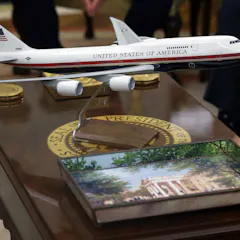
Presidents and prime ministers are traveling more than their counterparts of a generation ago. And where they go tells us about global priorities.

Public lands are quintessentially American, and in many ways they define and shape the American identity. The Antiquities Act defines them.
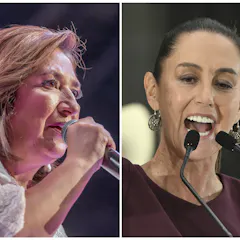
Electoral violence has marred the run-up to the June 2 vote. But despite fears over personal safety, support for democracy endures.
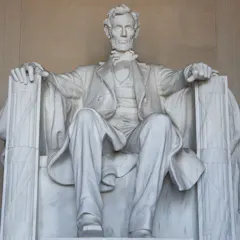
While some Republicans want to put Donald Trump onto Mt. Rushmore, historians often change their views of presidents over time.
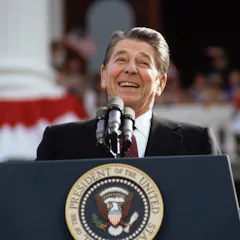
Ronald Reagan may have been known as ‘The Great Communicator,’ but rap artists don’t view his legacy through such rose-colored glasses. A professor of Black studies and history takes a closer look.
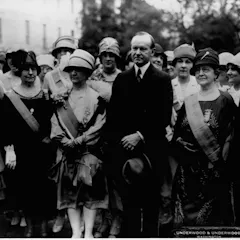
US President Calvin Coolidge hasn’t gone down in history for his triumphs or failures as president during the 1920s – but his dry sense of humor carries on.
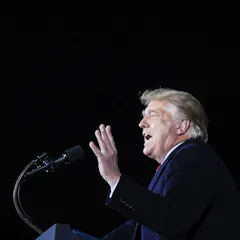
The president’s language sounded less presidential and more inflammatory in the weeks leading up to the riots.
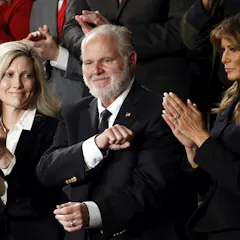
Researchers have analyzed data from the last 50 years of medals to learn what presidents consider important and what legacy they hope to leave behind.
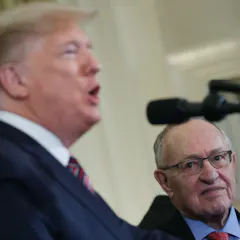
Trump’s backers say he is shielded from removal as no criminal offense took place. But this view may be at odds with the original intent of the impeachment clause.
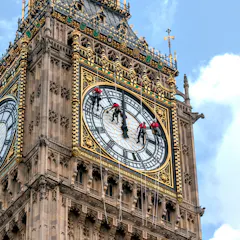
Parliaments might argue more but they make democracy more stable and produce stronger economies.
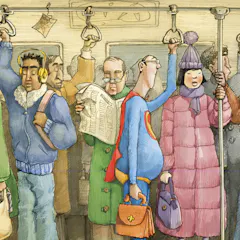
The authors of a new book have data that show politicians and the media love talking about heroes, but ordinary people are much more reluctant. That difference could have political consequences.
Top contributors
-

Professor of American Politics, Fairleigh Dickinson University
-
Professor of Finance, King's College London
-
Director of Research Development/Reader in Macroeconomic Policy, Canterbury Christ Church University
-
Senior Statistician and Research Lead, Vanderbilt University
-
Professor of Journalism, Indiana University
-
Professor of Black Studies and History, Amherst College
-
Assistant Professor of Political Science, Sam Houston State University
-
Assistant Professor of Political Science, University of Texas at Arlington
-
Professor of Political Science, Elizabethtown College
-
Professor of International Politics, Lancaster University
-
Associate Professor of Political Science, University of Dayton
-
Professor of Political Science, University of Houston
-
Cornelius Vanderbilt Professor of Political Science and Director of LAPOP, Vanderbilt University
-
Foundation Professor of Law and Political Science, Arizona State University
-
Associate Professor of Political Science and Director of the Center for Mexican American Studies, University of Texas at Arlington