
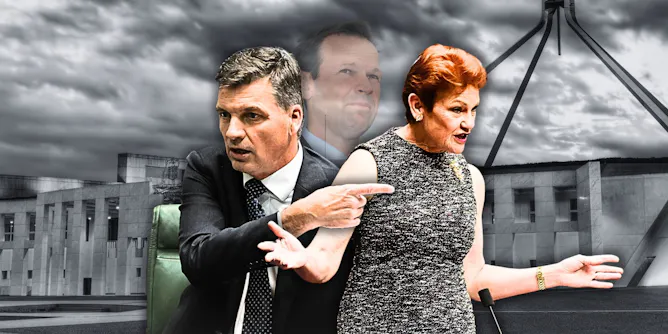
With One Nation soaring in the polls and the Coalition flagging, there has been talk about them striking a deal. But such a move may also help Labor retain office.
Articles on Preference deals
Displaying all articles

By preferencing and emulating One Nation, the Coalition is likely enhancing, rather than limiting, Pauline Hanson’s political influence.
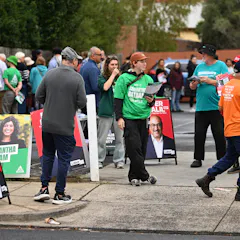
While there is always much interest in preference deals, many voters simply do their own thing at the ballot box.
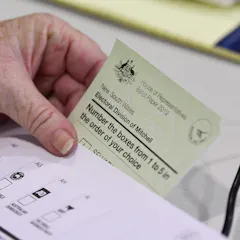
With the major parties’ primary votes falling in recent years, preferences matter more than they used to - and they can be messy affairs.
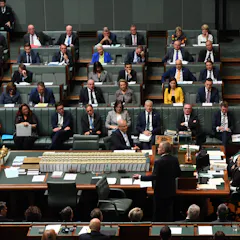
Thanks to preferential voting, Australian House of Representatives members are each elected by an absolute majority of the voters in the electorate they represent.

With this election likely to produce a high number of non-major-party primary votes, the Greens have emerged as a strong third option and a headache for both Labor and the Coalition.
At federal elections, voters must cast a preference for all candidates in their lower house seat. Failure to do so, or failure to give an ordinal list of preferences, renders the ballot informal.

With the election result almost certain to be close, preferencing will play a key role, leaving the progressive parties in particular in a difficult bind.
Top contributors
-

Associate Lecturer in Public Policy, Flinders University
-
Associate Professor in Politics, Murdoch University
-
Senior Lecturer, School of Political and Social Inquiry, Monash University
-
Senior Lecturer, Department of Languages and Linguistics, La Trobe University
-
Associate Professor, Politics and Public Policy, Flinders University
-
Election Analyst (Psephologist) at The Conversation; and Honorary Associate, School of Mathematics and Statistics, The University of Melbourne
-
Vice Chancellor's Fellow, The University of Melbourne