
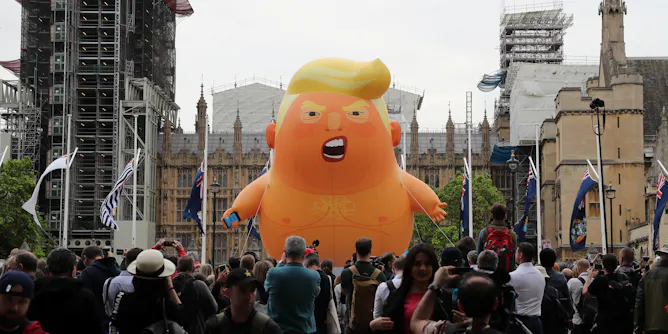
Approval ratings are usually a good way to predict the winner of the next presidential election. But Trump’s numbers fall far outside any historical trends.
Articles on Polls
Displaying 101 - 120 of 189 articles
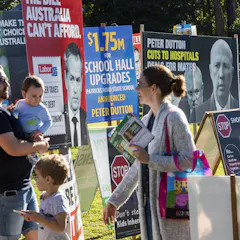
While polls have been patchy for some years, analysis shows they have been particularly out of whack since Morrison became prime minister.
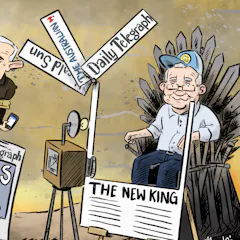
This election showed that Australia is stuck with an increasingly polarised media, a highly concentrated media ownership landscape and no apparent way to do anything about it.
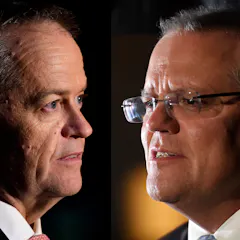
After five long weeks, the campaign is drawing to a close, with the polls still pointing to a narrow Labor win, with lots of unknowns in the detail.
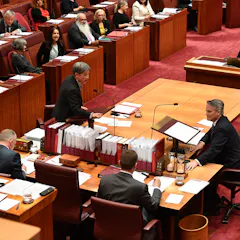
With the higher quota at a half-Senate election, parties probably need at least 5% of the vote to be in contention for a seat at this election.
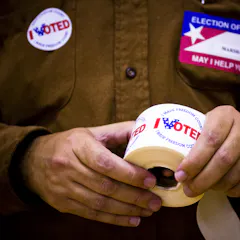
Hispanics oppose Trump’s immigration policies in larger numbers than the rest of the population. But their opinions are divided sharply across partisan lines.
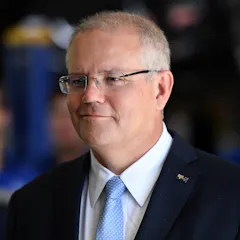
While the budget appealed to the Coalition’s perceived strength on overall economic management, wage growth and climate change are likely to be important during the election campaign.
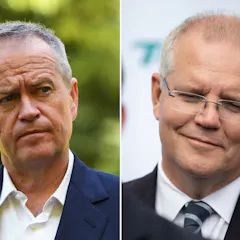
A Queensland Galaxy poll taken at the same time shows a healthier lead for Labor - but more polls are needed to determine any trends in voting ahead of the federal election.
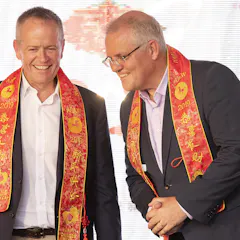
The latest polls show Labor holding a solid lead over the Coalition, while seat polls show that Tony Abbott may struggle to retain his Sydney seat.

Polls suggest that the majority of Americans think climate change is real, is caused by humans and needs to be addressed. But climate change isn’t a priority when Americans go to vote.
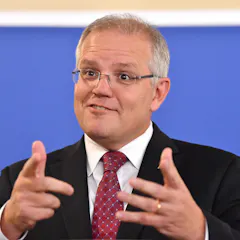
While the latest Newspoll gave the Morrison govenrment a welcome boost, it will need to avoid the “February slump”.
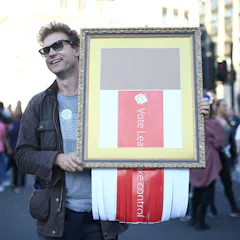
We can use data on public attitudes to help get a sense of whether the UK would vote differently if it got another chance.
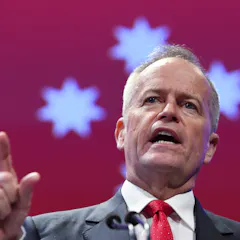
The latest Fairfax-Ipsos and Essential polls give a strong lead to Labor, with some interesting – and variable - detail on the attributes voters see in the leaders of the two major parties.
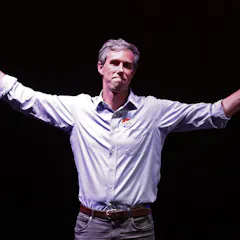
The Democrats are currently about 57% to 43% favourites over the Republicans to win the presidency – if you trust the markets.
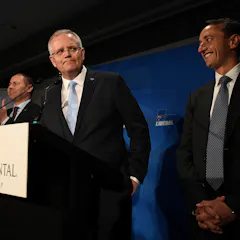
After election night reports of a thumping win in by independent Kerryn Phelps, the Liberals have recovered significantly in postal votes - so much so, the result is now uncertain.A

When political polls are aggregated together, that can make the results misleading.
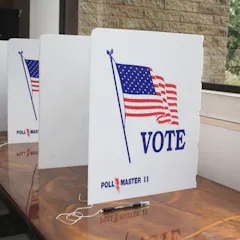
How do you know whether to trust a poll? Look carefully at how it was conducted – and examine your own biases.
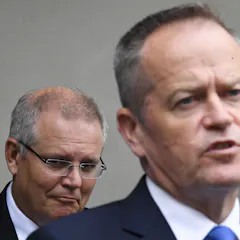
Fairfax Ipsos gives Labor another win on two-party preferred, albeit with weird primary vote numbers, while the Labor party in Victoria has another poll win just over two months ahead of the state election.
Another poor showing in the polls for the government, with analysis showing the Coalition most likely to lose support at the next election among the well-educated, the young and in Victoria.
The latest polls show the government’s internal divisions are taking their toll- and some of its members are seriously out of step with the general public on energy policy.
Top contributors
-

Election Analyst (Psephologist) at The Conversation; and Honorary Associate, School of Mathematics and Statistics, The University of Melbourne
-
Professor of Economics and Finance. Director of the Betting Research Unit and the Political Forecasting Unit at Nottingham Business School, Nottingham Trent University
-
Professor, Department of Government, University of Essex
-
Professor of Politics, University of Strathclyde and Senior Research Fellow, National Centre for Social Research
-
Research Professor at the Center for Political Studies, University of Michigan
-
Professorial Fellow, University of Canberra
-
Emeritus Professor of Politics and International Relations, Macquarie University
-
Professor of Political Science, LaGrange College
-
Senior Research Fellow, Centre for Advancing Journalism, The University of Melbourne
-
Senior Project Manager, Murdoch University
-
PhD Candidate, The University of Western Australia
-
Adjunct Research Fellow; Journalist, University of Notre Dame Australia
-
Senior Lecturer, School of Political and Social Inquiry, Monash University
-
Associate Professor in American Politics and Foreign Policy, US Studies Centre, University of Sydney
-
Professor of Geography, University of Bristol