
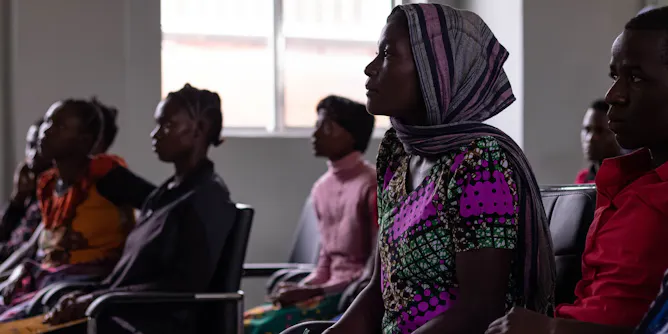
Having a woman president has not translated into improved women’s representation.
Articles on Political reform
Displaying 1 - 20 of 28 articles
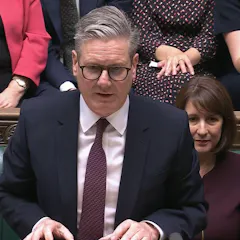
Academic experts explain the political reforms in the king’s speech.
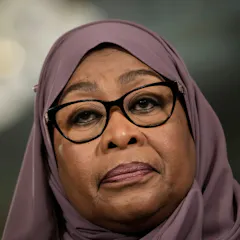
The Tanzanian president’s reform drive has endeared her to the populace but will also embolden opposition to her political ambitions.
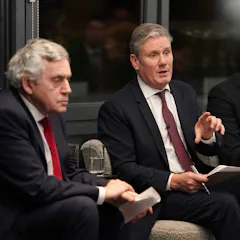
The plan to abolish the House of Lords has drawn the most attention but Labour is also proposing radical changes to how power is distributed.

The gap between the continent’s most democratic and authoritarian regions is likely to continue to grow.

When the 2011 Libyan civil war erupted, Twitter became a major instrument to air the rebels’ account of the conflict and present themselves internationally as a viable alternative to Moammar Gadhafi.
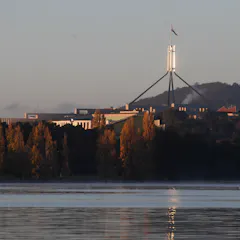
With public trust in government at an all-time low, it’s time we prioritised political reform and put in place a comprehensive roadmap for effective, long-term change.

Can Spain learn from a decade marked by high-profile political corruption scandals involving money embezzled from regional governments and mismanagement in urban planning and construction?

Federal politicians and the public like the idea of abolishing the states. But consider the likely result: a more powerful Canberra, with regional governments amounting to glorified shire councils.
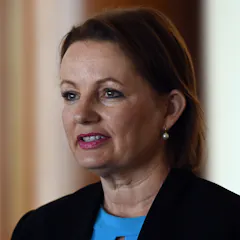
Voters are fed up with political scandals consuming time and energy, especially when the country is facing several social and economic challenges.
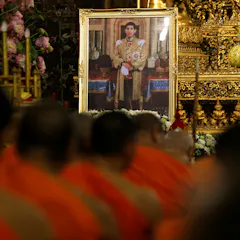
It would be short-sighted to believe that a more far-reaching transformation than a royal succession might not also be in store for the Kingdom of Thailand.

A marketing guru considers what’s wrong with American democracy and how to fix it.
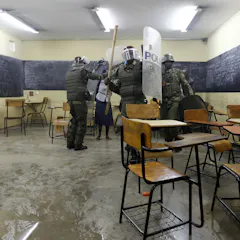
Africa’s universities supposedly became more independent after the early 1990s. But it appears they haven’t achieved much more than cosmetic autonomy from political interference.

Democracy’s problem is not the crisis but the triumph of capitalism. Democracy has become market-conforming, resulting in whole sections of society lacking meaningful representation.
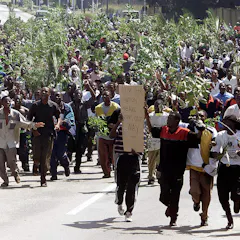
In 1988 students from the University of Zimbabwe began demonstrating against government corruption. Their protests grew into a national movement that indelibly changed the country.
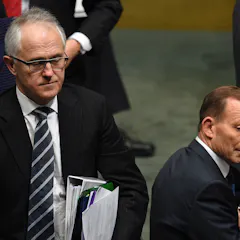
The Abbott government resisted the disruptive changes of the 21st century. To succeed, the Turnbull government will need to shed this reactionary mindset and embrace inevitable change.
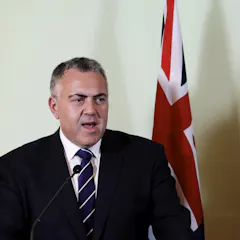
It has significant public support across party lines, but politicians who advocate Australia becoming a republic are likely to have their priorities and even their right to do so questioned.
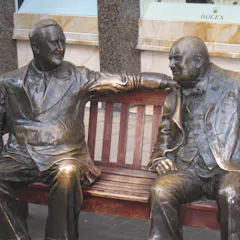
Every culture needs heroes. So when our political system becomes incapable of giving us any, where does that leave us?

Candidates from Spain’s ‘15M’ movement – born of mass protests in 2011 – have responded in various ways to the dilemma that being elected creates for those wishing to overturn the ‘old politics’.

Politics in Nepal will hinder relief and recovery efforts following the earthquake and its aftershocks. But look at it the other way around. Could the disaster help to resolve political problems?
Top contributors
-

Lecturer, Public Policy and Political Communications, The University of Melbourne
-
Honorary Enterprise Professor in the School of Social and Political Sciences, The University of Melbourne
-
Professor of Political Science, Cardiff University
-
Professor of Politics, Cardiff University
-
Assistant researcher, University of Sydney
-
Lecturer and Teacher, Department of Politics and International Relations, Cardiff University
-
Senior lecturer, University of Canberra
-
Senior Lecturer in Human Rights, Constitutional Law and Legal Theory, University of Wollongong
-
Chair in Governance, University of Southampton
-
Professor, School of Economics, The University of Queensland
-
S.C. Johnson & Son Professor of International Marketing, Northwestern University
-
Professorial Fellow, The University of Melbourne
-
Senior Lecturer in English Language and Linguistics, University of the West of England
-
Adjunct professor, Charles Sturt University
-
Professor, Crawford School of Public Policy, Australian National University